Resource Guide Page

Private Label Golf Clothing Guide

Launching a private label golf apparel line involves more than choosing styles and adding a logo. Buyers need to align product positioning, fabric performance, labeling, fit, packaging, sampling, and bulk approval before placing production. This guide is built for golf apparel brands, startup labels, retailers, and private label businesses that need a clearer path from concept to production-ready order. If you already have a collection brief or tech pack, the next step is to request a quote or start a private label project.

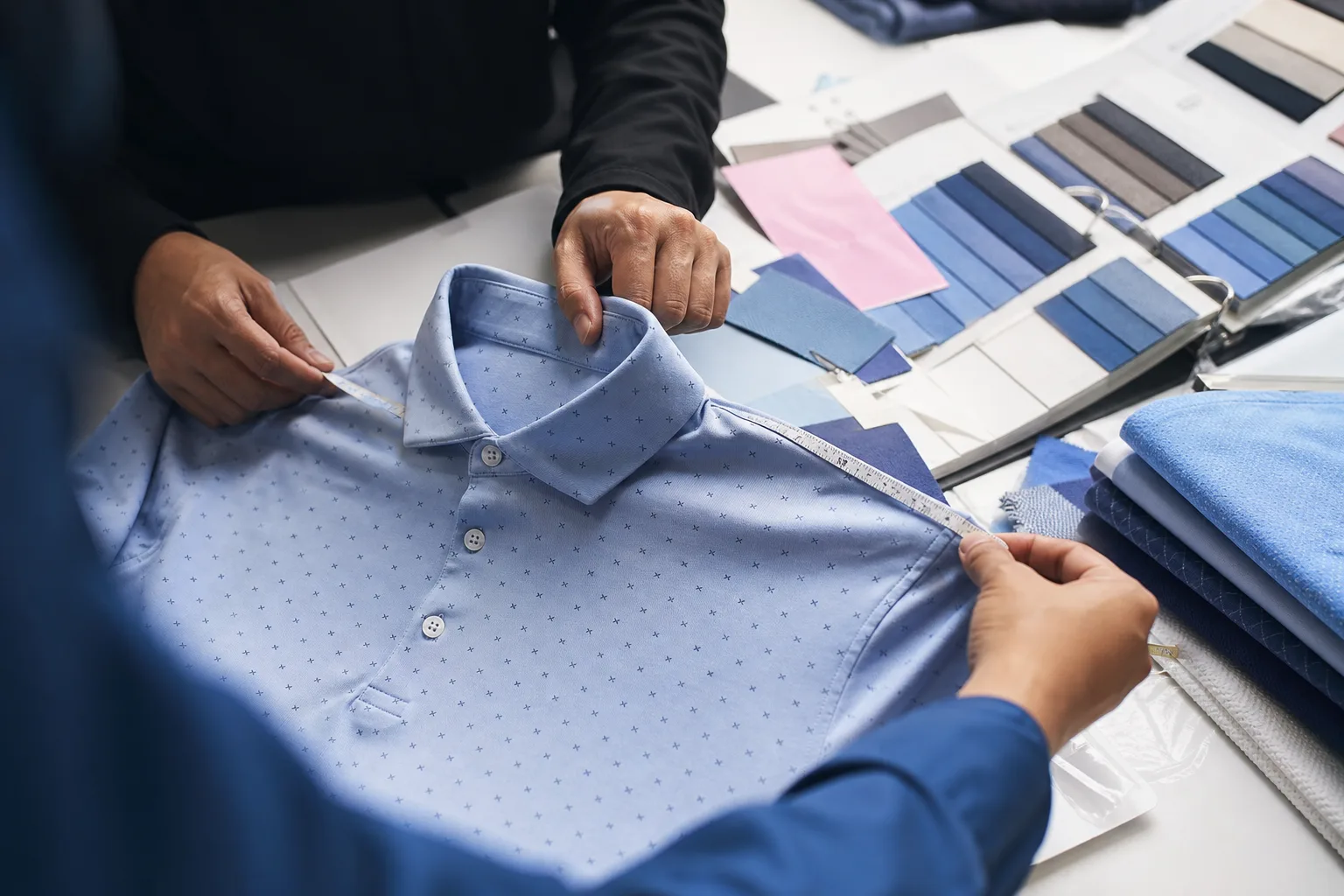
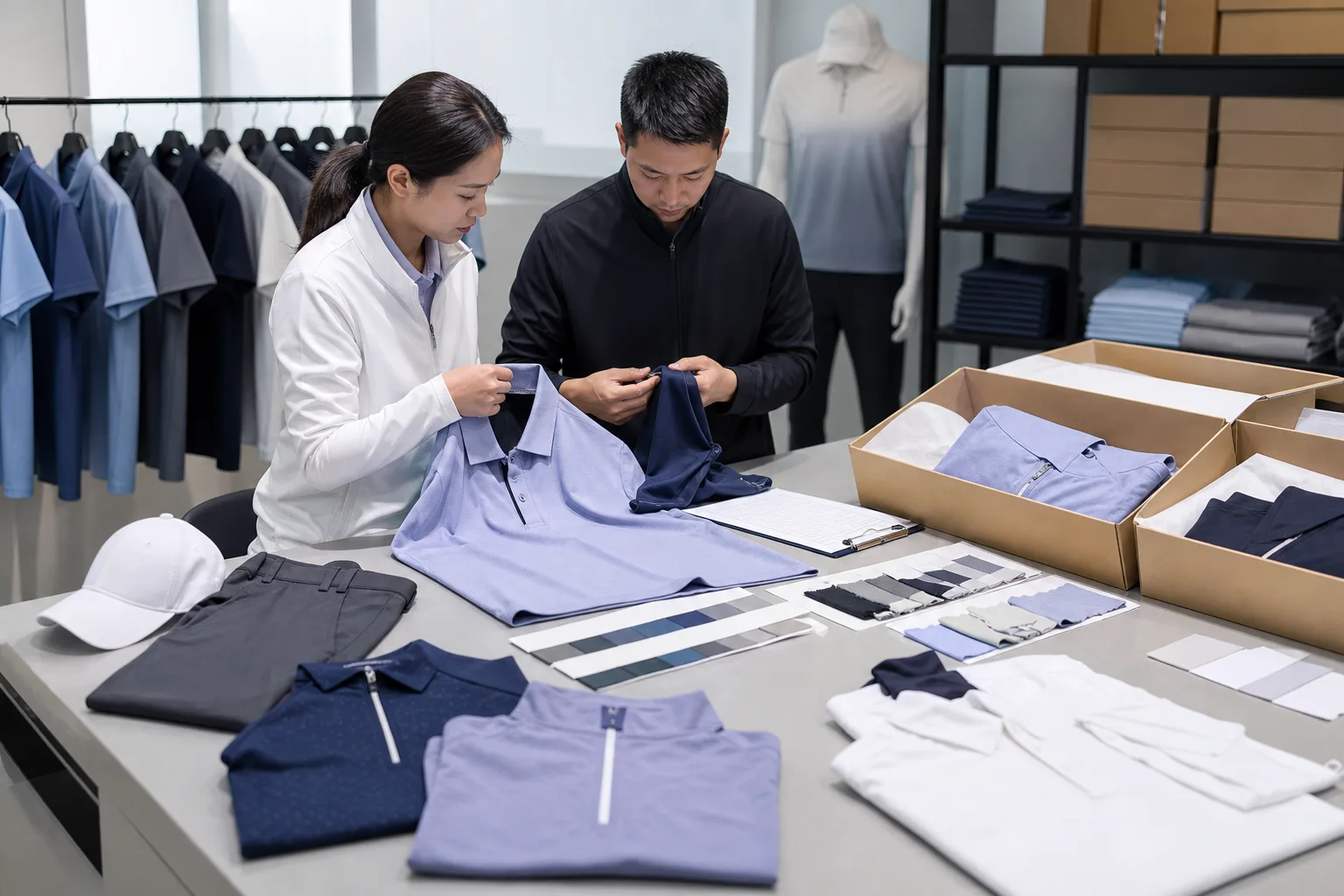
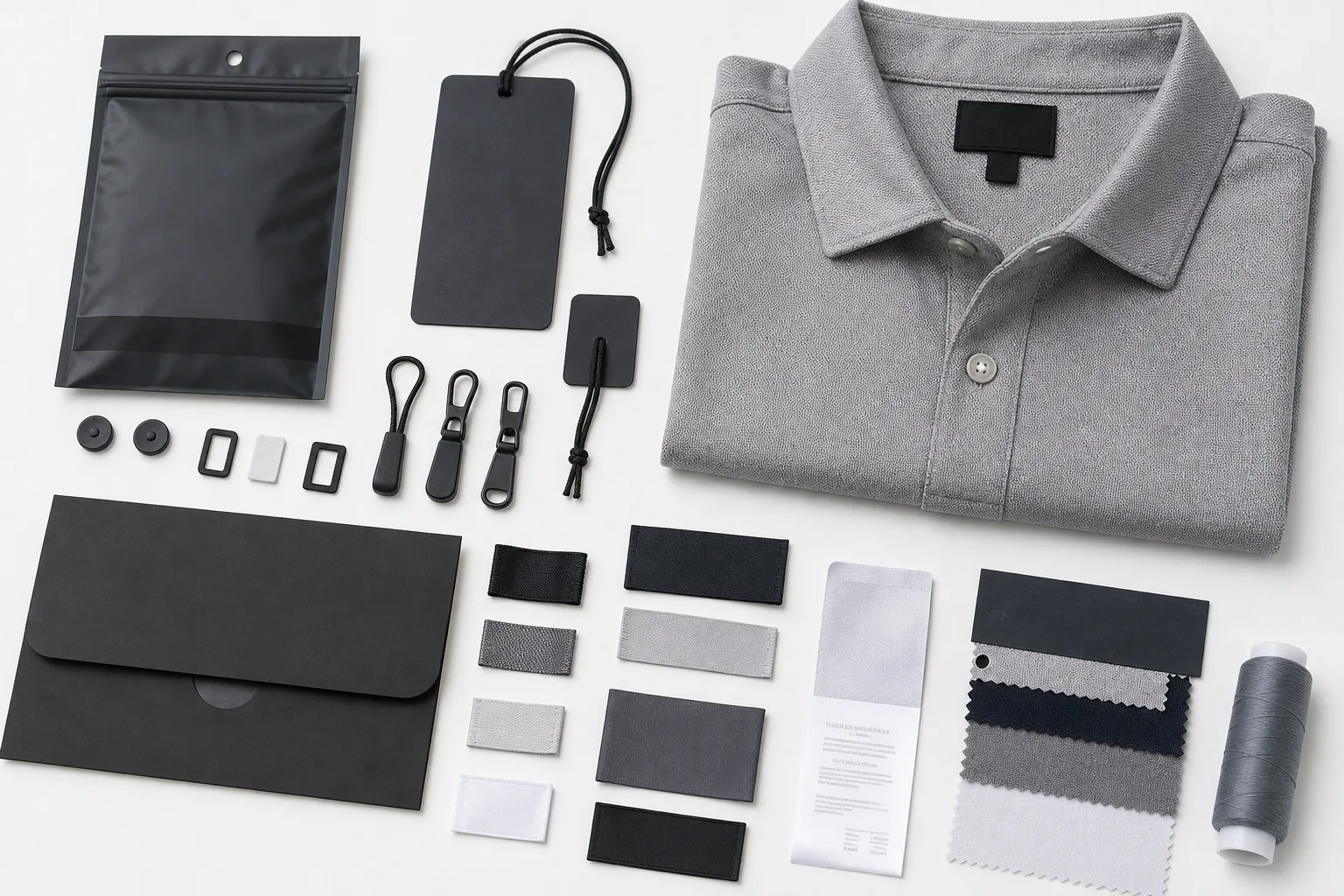
Private label golf apparel planning board with garments and fabric swatches
Private LabelUse this private label golf clothing guide to plan your collection, choose fabrics and trims, prepare approvals, and avoid.

Product Programs

A private label golf clothing program works better when the collection is defined around buyer needs before branding.

Execution Control

Many new private label programs become difficult because the first order includes too many silhouettes, too many colorways,.

Buyer Types

Private label is not only about adding a chest logo.

Planning Timing

Golf apparel fabric choices affect drape, comfort, decoration compatibility, care instructions, and the final cost.

Launch Strategy

Start with the collection strategy, not the logo

A private label golf clothing program works better when the collection is defined around buyer needs before branding details are finalized. That means deciding what kind of range you are building, how it will be sold, and what level of performance the garments need.

  • Brand position: entry-level, core clubwear, premium performance, teamwear, or resort-oriented apparel
  • Collection structure: polos, layers, bottoms, outerwear, or a compact starter line
  • End use: on-course play, travel, staff uniforms, retail resale, or event distribution
  • Price target: target retail or wholesale band, which affects fabric, trim, and packaging choices
  • Reorder plan: seasonal drops, permanent core items, or event-based production

If the collection scope is still being developed, a focused product development review is often more useful than rushing straight into sampling. Buyers needing help organizing specifications can review golf apparel product development support first.

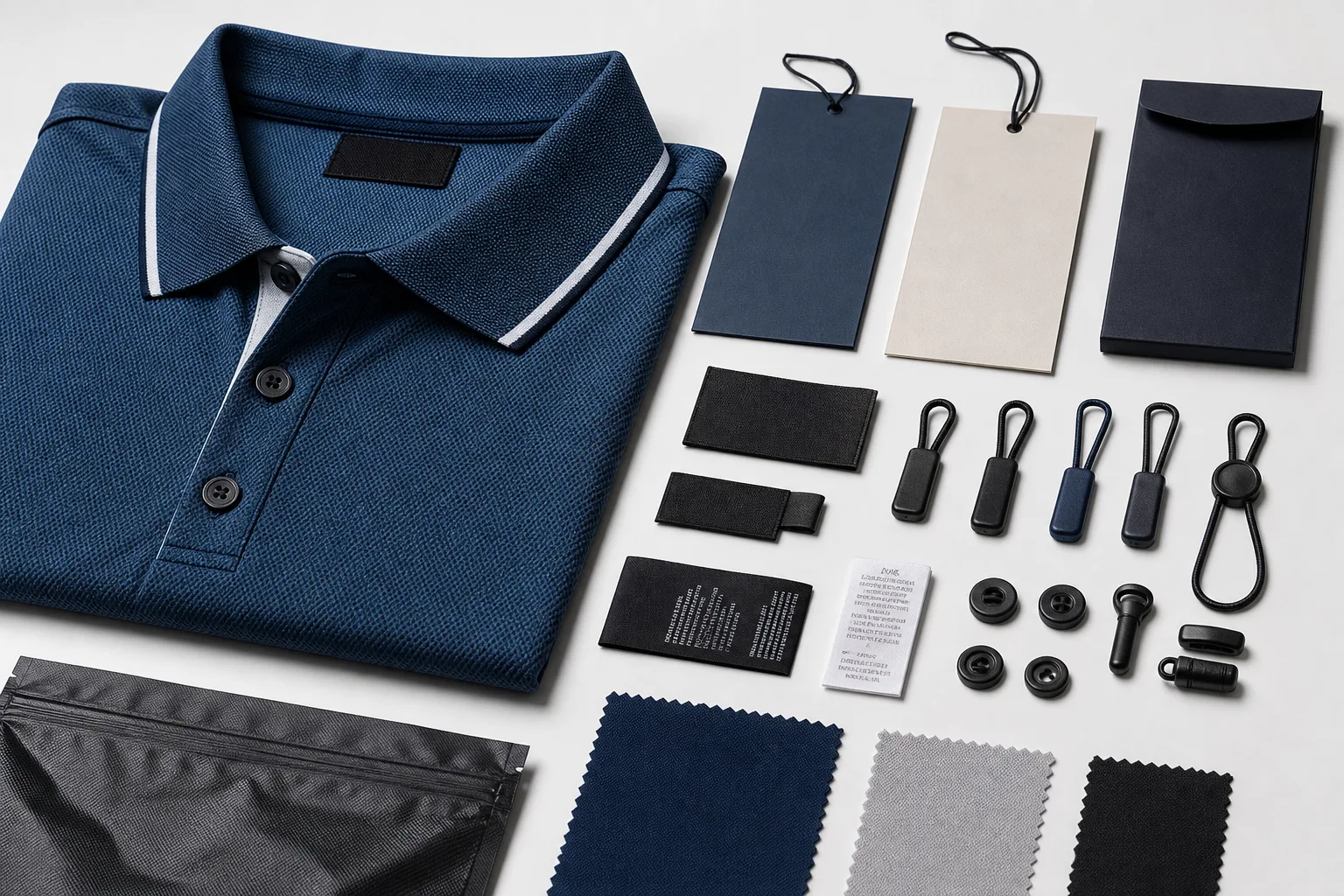
Golf apparel trims, labels, and packaging laid out beside a polo
Hands reviewing a golf polo sample with measuring tape and notes
Product Range Planning

Build a launch range that fits your first order size

Many new private label programs become difficult because the first order includes too many silhouettes, too many colorways, or too many trim variations. A tighter first launch usually gives clearer costing, faster approvals, and simpler quality control.

A practical opening range often includes one or two core tops, one layering piece, and one bottom, with branding and packaging kept consistent across the collection.

Launch Model Typical Product Mix Why Buyers Choose It Main Watchout
Starter Capsule Polo, tee, quarter-zip Lower complexity for first sampling round Need strong color coordination
Retail Core Range Polo, pants, shorts, outer layer Broader merchandising for resale Fit consistency across categories
Club or Event Program Polo, vest or jacket, staff bottom Unified branded presentation Size planning and deadline control
Performance-Led Brand Launch Polo, base layer, lightweight outerwear Clear technical positioning Fabric sourcing and testing review

Buyers that want to compare category options can explore the broader custom golf apparel buying guide before finalizing their first range.

Brand Assets

Define what makes the line truly private label

Private label is not only about adding a chest logo. Buyers usually need a complete branded presentation that may include neck labels, hangtags, size labels, care labels, branded trims, packaging, and consistent artwork rules across styles.

  • Brand identity elements: logo versions, brand colors, typography references, and artwork usage rules
  • Label package: main label, size label, care label, country-of-origin labeling, and barcode support where required
  • Trim direction: zipper pullers, contrast tapes, neck binding, silicone badges, woven tabs, or swing tags
  • Packaging presentation: fold method, polybag instruction, sticker format, insert cards, or retail-ready packout

For buyers still deciding how much branding to apply on the garment itself, useful next steps include custom logo options, custom trims and labels, and custom packaging.

Quality control and packing for golf clothing manufacturing buyers
Golf apparel trims, labels, and packaging laid out beside a polo
Fabric Decisions

Choose fabrics around wear conditions and price structure

Golf apparel fabric choices affect drape, comfort, decoration compatibility, care instructions, and the final cost structure. A strong launch brief usually states not only the preferred fabric type, but also the expected hand feel, stretch level, weight, and climate use.

  • Performance polos and tees: moisture-oriented polyester blends or stretch knits selected around hand feel and print or embroidery needs
  • Layering pieces: interlock, double-knit, brushed-back fabric, or lightweight shell materials depending on climate and silhouette
  • Bottoms: woven stretch constructions that balance movement, recovery, opacity, and pocket stability
  • Sustainability requests: recycled options should be confirmed by material-specific documents for the exact order under review

Fabric approval should consider how the material performs after decoration and washing, not just how it feels on an initial swatch. Buyers comparing fabric directions can review the golf apparel fabric guide or request fabric swatches for screening.

Sampling and Approvals

Use sampling to confirm risk points before bulk production

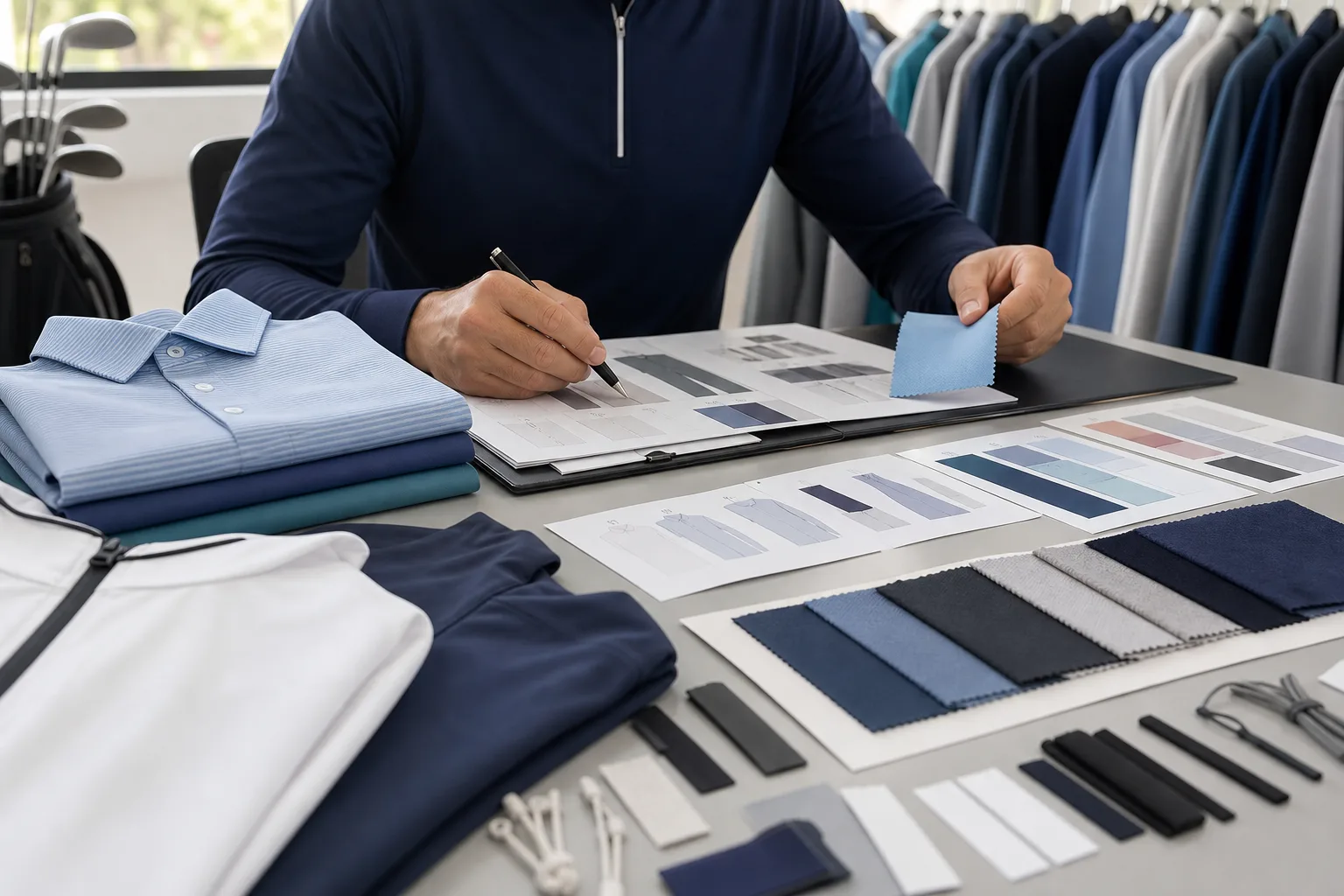
In private label golf clothing, sampling is the stage where most launch issues can be caught early: fit balance, collar shape, placket behavior, stretch recovery, trim compatibility, logo placement, label sequence, and packaging logic.

Standard sample development is often planned at roughly 5-7 days, while more complex styles may take around 7-10 days, depending on fabric availability, artwork readiness, revision cycles, and construction details. These are planning references rather than guarantees.

Approvals usually work better when buyers review the sample against a short checklist instead of making informal comments across multiple channels.

  • Fit approval: key measurements, grading direction, and intended wearing ease
  • Construction approval: seams, plackets, collars, cuffs, pocket positions, and reinforcement points
  • Branding approval: embroidery, print, badge, label placement, and artwork scale
  • Color approval: base fabric, contrast parts, and trim matching under agreed review conditions
  • Packaging approval: folding, labeling, and carton presentation if required for resale

Buyers preparing the technical side of sample development may also use tech pack support or upload a tech pack for review.

Golf apparel trims, labels, and packaging laid out beside a polo
Common Mistakes

Common launch mistakes that increase cost or delay

Most early-stage delays do not come from one major problem. They usually come from small missing approvals that compound across fabric, artwork, size grading, and packaging.

  1. Too many styles in the first drop: more silhouettes create more fitting and approval points.
  2. Incomplete artwork files: logo sizing, stitch interpretation, or print positioning remains unclear.
  3. Late trim decisions: hangtags, labels, and zipper details are left unresolved until after the sample stage.
  4. Unclear fit target: buyers request changes without a defined body standard or reference garment.
  5. Packaging treated as an afterthought: retail folding, barcode needs, and carton assortments are not confirmed early enough.
  6. Overlooking reorder logic: launch decisions are made without planning how successful styles will be repeated.

A more controlled launch usually comes from approving fewer variables at a time and documenting each decision clearly before bulk confirmation.

Quote Preparation

Prepare the right quotation inputs for a private label program

A useful quote request for private label golf clothing does not need every detail finalized, but it should define the commercial and technical direction well enough to estimate development and production scope.

  • Collection scope: number of styles and the intended product categories
  • Target fabric direction: knit or woven, stretch need, weight preference, and climate use
  • Branding package: logo method, label set, trims, and packaging expectations
  • Order structure: estimated quantity split by style, colorway, and size range
  • Reference materials: tech pack, sketch, reference garment, approved artwork, or inspiration images
  • Timing context: target launch window, not just an immediate ship date request

If your launch brief is still developing, it may be more efficient to request an OEM / ODM consultation before moving to full quotation.

Quality control and packing for golf clothing manufacturing buyers
Golf apparel trims, labels, and packaging laid out beside a polo
Production Readiness

Know what should be locked before bulk confirmation

Before a private label golf apparel order moves into bulk production, buyers should confirm that the collection is commercially ready and not just visually approved. Bulk production planning often depends on final artwork approval, fabric availability, size breakdown, packaging details, and order scheduling.

Bulk lead time is often planned in the range of roughly 20-35 days after approvals, but actual timing depends on style complexity, material readiness, revision status, order quantity, and shipment requirements.

  • Approved sample status
  • Final size chart and grading confirmation
  • Confirmed labels, trims, and packaging details
  • Approved logos and artwork files
  • Colorway confirmation and order ratio
  • Inspection and shipment requirements

Buyers who want more detail on the manufacturing stage can review the sample-to-bulk process and sampling and production lead times.

Next Step

Move from concept to a production-ready launch brief

Ninghow Golf supports private label golf clothing programs with development coordination, fabric and trim sourcing, sample planning, branding applications, packaging setup, and production follow-through. For buyers working toward a first launch, the most useful next step is usually a clear review of styles, branding scope, and quantity structure before sampling begins.

Start a Private Label Project

Need pricing first? Submit your collection outline through Request a Quote.

Golf apparel trims, labels, and packaging laid out beside a polo
Common Questions

Answers buyers usually need before starting

Keep the project conversation practical with clear expectations around sampling, production and quotation inputs.

What is the fastest way to prepare a first private label golf clothing inquiry?

Start with a compact brief covering the planned product categories, target fabric direction, branding scope, estimated quantity by style, and target launch window. A tech pack helps, but a structured brief with reference garments or sketches is often enough for an early review.

How many styles should a new private label golf launch include?

There is no fixed number, but first launches are often easier to manage when the range is kept focused. Fewer styles usually mean fewer fit rounds, fewer trim approvals, and clearer cost control across the collection.

What usually causes delays in a private label golf apparel launch?

Common delay points include missing artwork files, repeated fit revisions, late fabric changes, undecided labels or packaging, and unclear approval ownership on the buyer side. These issues often extend the schedule more than sewing time itself.

Can I combine different golf apparel categories under one private label program?

Yes, but complexity rises when the launch includes multiple fabric types, construction methods, or decoration techniques. A mixed range should be planned with realistic approval time for each category, especially if polos, bottoms, and outerwear are all included.

How should I check a sample for a private label golf collection?

Check the sample against a list that covers fit, measurements, construction, logo placement, trim details, label content, color consistency, and packaging requirements. Written approval notes reduce confusion before bulk production.

Does private label golf clothing always require custom labels and packaging?

Not always. Some buyers begin with branded garment labels only, while others need a full private label presentation with hangtags, barcode stickers, inserts, and retail-ready packing. The right setup depends on your sales channel and brand positioning.
Start a Project

Build your next golf clothing program with a clearer production path.

Share product type, quantity, fabric direction, branding requirements and target timing so Ninghow Golf can suggest the most practical next step.

Scroll to Top