
BULK CUSTOM GOLF APPAREL
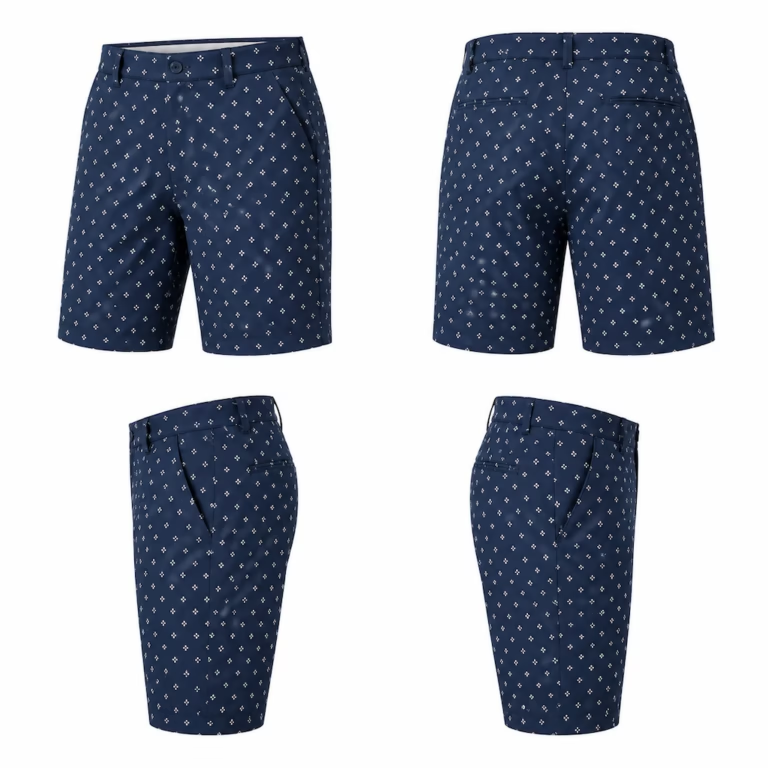
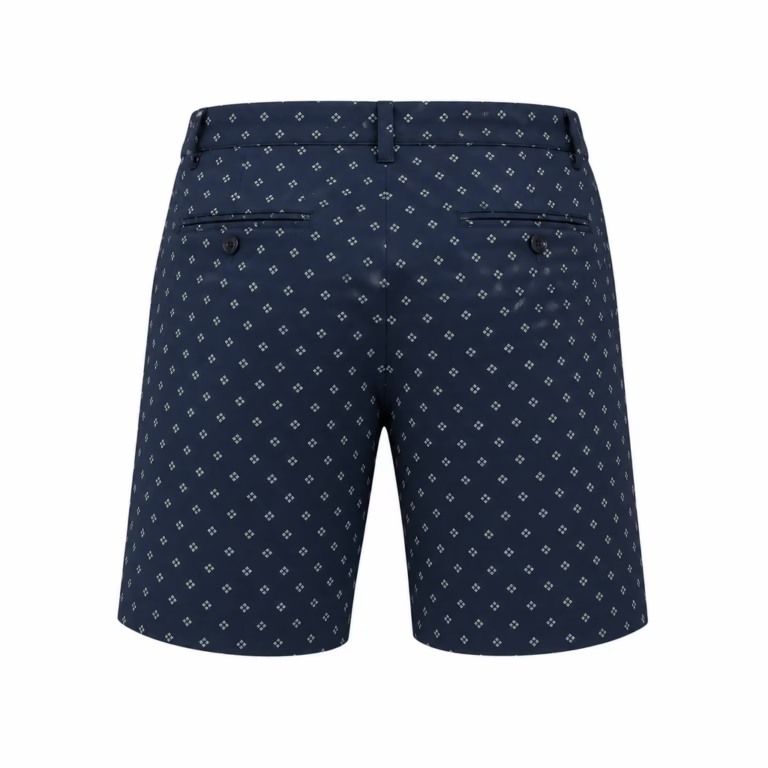
Printed Golf Shorts
Estimated customization price:
-
For apparel brands, golf clubs and team programmes. Share a reference style, quantity and available specifications to start.
01 / MATERIALS & PERFORMANCE
Fabric Composition
Compare these blend options for fabric feel, stretch, recovery, care needs, and print development. The final material specification depends on the selected fabric.
| Blend option | Useful application | Tradeoff to consider |
|---|---|---|
| 95% polyester / 5% elastane | Balanced stretch for active golf shorts and a smooth print base | Less natural fiber feel |
| 90% polyester / 10% elastane | More stretch for movement-focused fits | Requires closer review of recovery and print distortion |
| 92% nylon / 8% elastane | Smooth, flexible fabric for a refined active look | Different print response and higher material cost may need review |
| 97% cotton / 3% elastane | Softer, more natural fabric feel for casual golf collections | Less stretch than higher-elastane options and more care planning |
| 60% cotton / 37% polyester / 3% elastane | Combines cotton feel with added structure and modest stretch | May not provide the same active recovery as a higher-stretch blend |
Fabric Weight
GSM means grams per square meter. It helps compare fabric body, but it does not determine coverage or durability by itself. Use the selected fabric and sample to judge the finished feel and drape.
| Reference weight | Fabric character | Typical use direction |
|---|---|---|
| 160 GSM | Lighter and more flexible | Warm-weather shorts and a lighter feel |
| 180 GSM | Balanced body with moderate drape | Versatile golf collections across changing conditions |
| 200 GSM | More body and a steadier shape | Structured shorts that still allow movement |
| 220 GSM | Heavier body and fuller drape | Cooler conditions or a more substantial garment feel |
Fabric Construction
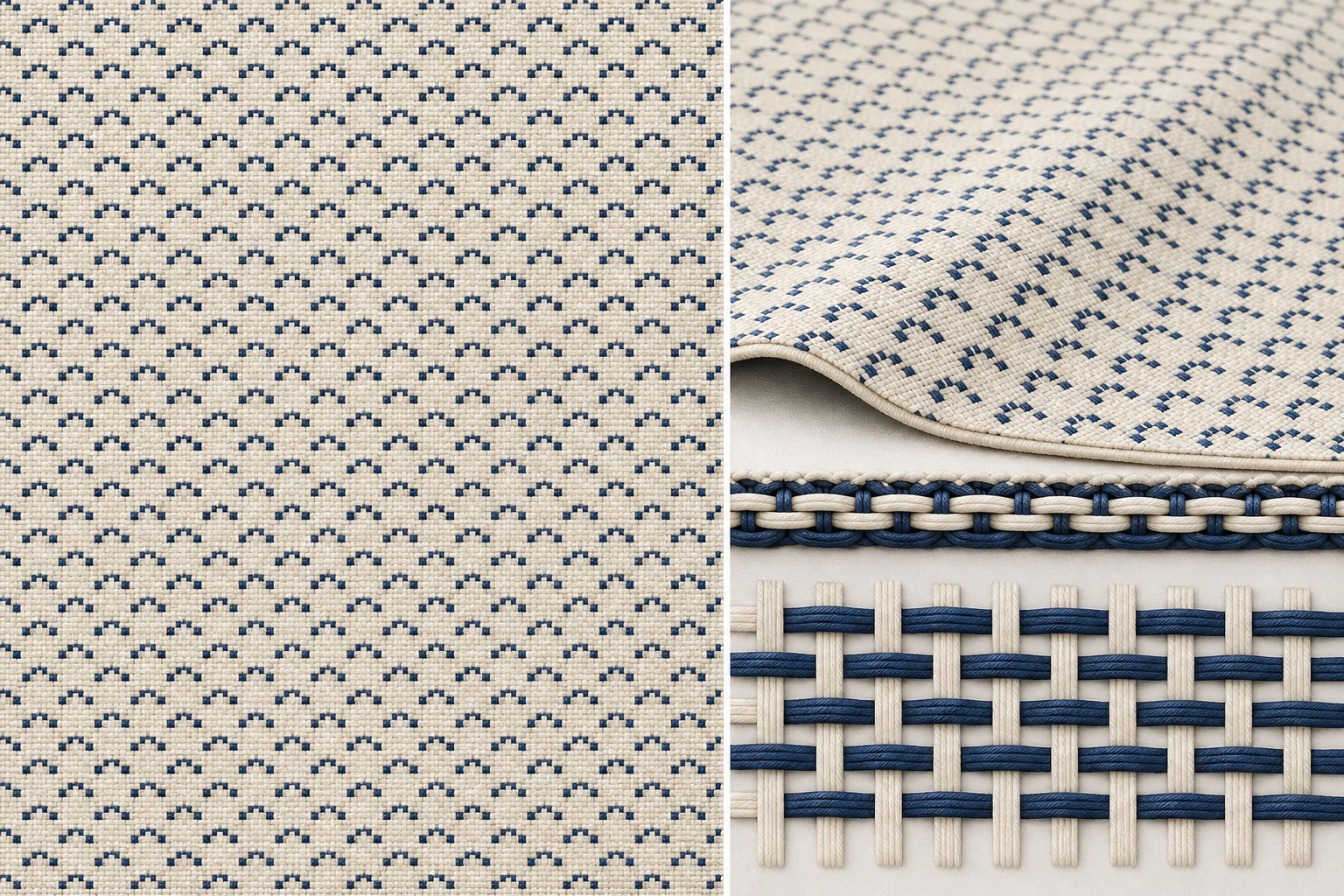
For this product, suitable construction options include stretch plain weave, twill, and a subtle textured woven surface. Plain weave can give a clean, even base for small motifs. Twill adds a visible diagonal texture and a more structured appearance. A micro-texture can add visual interest, but it may change how sharply small artwork reads.
The fabric structure, composition, weight, and finishing work together. Choose them as a group based on the desired drape, movement, print definition, and care requirements.
Performance Features
Stretch can support a fuller golf swing and easier movement, but the amount of elastane and fabric structure affect recovery. A more open woven structure can improve airflow, while a tighter structure can give a steadier surface for artwork. Moisture-management, easy-care, or water-repellent finishes can be evaluated where suitable for the selected fabric and may change fabric feel, appearance, or care instructions.
02 / FIT, SIZING & COLOR
Fit Options
Choose the base garment pattern around waist, hip, rise, thigh, inseam, and leg-opening measurements. A regular fit balances movement and a clean line. A slimmer fit reduces visual volume but needs enough thigh and seat room for golf movement. A roomier fit allows more ease but creates a wider leg shape.
For printed styles, check the artwork on the actual fit sample. Changes in rise, pocket placement, or leg shape can alter the position and scale of a placement print.
Sizes
We can develop the shorts from your US or customer size chart using waist, hip, rise, inseam, thigh, and leg-opening measurements. You may specify waist-number sizes or letter sizes. Grading means adjusting the base garment pattern across sizes; review how the artwork and pocket positions change as the pattern grows.
Send your preferred size range and size breakdown with the inquiry. The approved chart and sample should guide the final measurement review.
Color Options
Use a color card or Pantone reference to define the shell, print, waistband, and trim colors. Navy, black, white, and gray provide a restrained base for small geometric motifs, while seasonal colors or color blocking can create a stronger collection identity. Confirm the approved color reference before production because the base fabric and print process affect the final appearance.
03 / GARMENT CONSTRUCTION

Construction concept / reference build.
Construction Details
The print, fabric stretch, and side seams need to work together. For a placement print, map the motif to the base garment pattern so it remains correctly positioned after panels are sewn. For a scattered print, review the motif scale and distribution at panel edges. A gently stretched seam-area sample can show whether the artwork distorts or shifts at the side seam.
Review the waistband, pocket openings, belt loops, and hems as connected parts of the finished short. These areas should follow the intended pattern direction and remain visually balanced when the wearer moves.
04 / YOUR BRAND & PRODUCT SPECIFICATION
Logo Options
Use the decoration method that fits the surface, stretch, and artwork scale. Direct embroidery adds texture but can stiffen a small stretch area, so review backing comfort and placement. A heat transfer or screen print can preserve fine artwork with a flatter surface, while a silicone mark adds a raised effect. A woven label or applied patch creates a separate component and should be checked for edge comfort and attachment.
Send vector artwork or a clear high-resolution file with the intended size, colors, and placement. Useful locations include the front leg, back pocket area, waistband, or hem, subject to the base pattern and print boundaries.
Customization Scope
Choose the main garment changes together with the print plan. Options should be evaluated as one coordinated base garment, because fabric stretch and panel shape affect print placement and sewing results.
| Area | Choices | Purpose |
|---|---|---|
| Waistband | Flat front, elasticated or active waistband | Balances a clean appearance with movement comfort |
| Front structure | Flat front or pleated front | Changes the visual line and room through the hips and thighs |
| Pockets | Slant, welt or other agreed pocket opening | Sets access, appearance and print panel boundaries |
| Leg shape | Regular, slimmer or roomier leg | Controls thigh room and the width of the leg opening |
| Color program | Solid base, contrast panels or seasonal color | Builds a coordinated collection around the artwork |

05 / ORDER & DEVELOPMENT PLANNING
Minimum Order Planning
Our MOQ is 300 pieces. Send your preferred quantity and intended size and color breakdown so we can discuss the order details for the selected fabric, print method, and garment configuration.
Sample Lead Time
Sample lead time is 7–10 days. Use the sample to assess the fabric feel and stretch, waist and hip fit, rise and leg opening, print scale and placement, and the side-seam appearance. For a print-led style, review the artwork on the actual panels before approving the bulk direction.
Bulk Lead Time
Bulk production lead time is 15–30 days. Share your desired delivery schedule with the selected print method, fabric, colors, quantity, and size breakdown so we can discuss the production plan.
06 / APPROVAL & APPLICATION
Quality & Approval Checks
Use the selected fabric, size specification, and sample details as references when agreeing quality requirements for this order.
| Quality point | Reference to compare | Why it matters |
|---|---|---|
| Fabric composition and GSM | Approved material specification and fabric sample | Connects fabric feel, body, stretch, and print response to the intended garment |
| Print placement and distortion | Approved artwork file, panel map, and stretched sample | Shows whether motifs remain positioned and readable through movement |
| Side-seam appearance | Approved sample photographs or physical sample | Helps compare motif flow and seam alignment on the finished short |
| Measurements | Approved waist, hip, rise, inseam, thigh, and leg-opening chart | Controls fit and prevents the leg shape from drifting between sizes |
| Construction and finish | Approved sample, pocket shape, waistband, hems, and stitching details | Creates a clear visual and functional reference for the finished garment |
Suitable Bulk Buyers
- Golf apparel brands: build a recognizable print collection with controlled artwork placement and coordinated colors.
- Golf teams and clubs: align team colors, player sizing, and a shared logo or motif across a bulk order.
- Golf event and resort programs: select a practical fit and print concept for a planned delivery schedule and branded participant or staff apparel.
Target Markets
For US-focused programs, provide the preferred US size chart and measurement units. For other destinations, send the buyer’s measurement chart and required care or fiber-label content for review. Climate also matters: lighter weights suit warmer conditions, while heavier options provide more fabric body for cooler use.
What to Include in Your Enquiry
To start, send the reference style, planned quantity, preferred size and color breakdown, artwork or reference image, and desired delivery date. Tell us whether you prefer a scattered print or a placement print, and note any required stretch, wash, or side-seam appearance checks.
Discuss Your Product Requirements
Share your reference style, estimated quantity, colors and available artwork. We can review a practical next step for your bulk project.