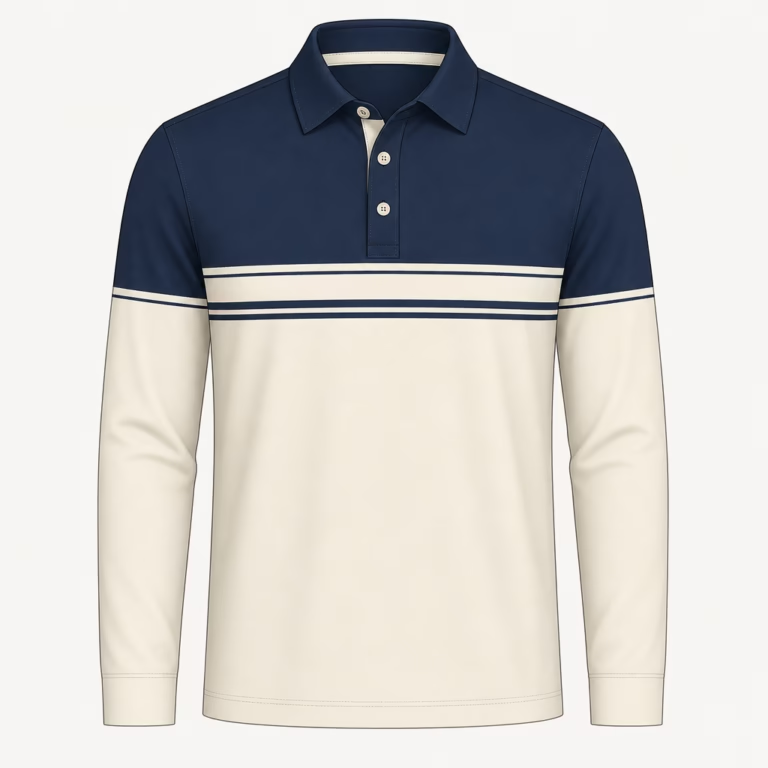
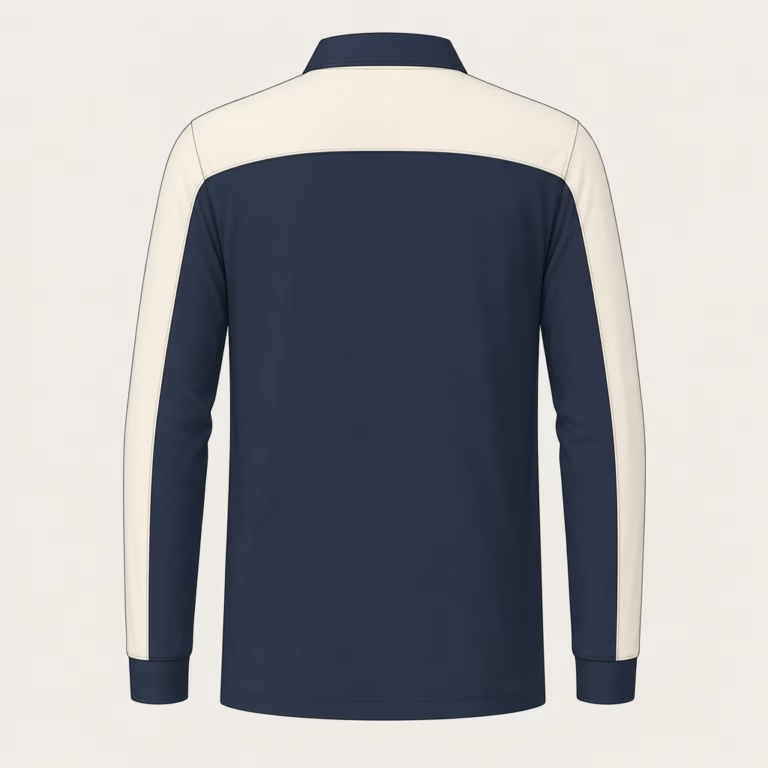
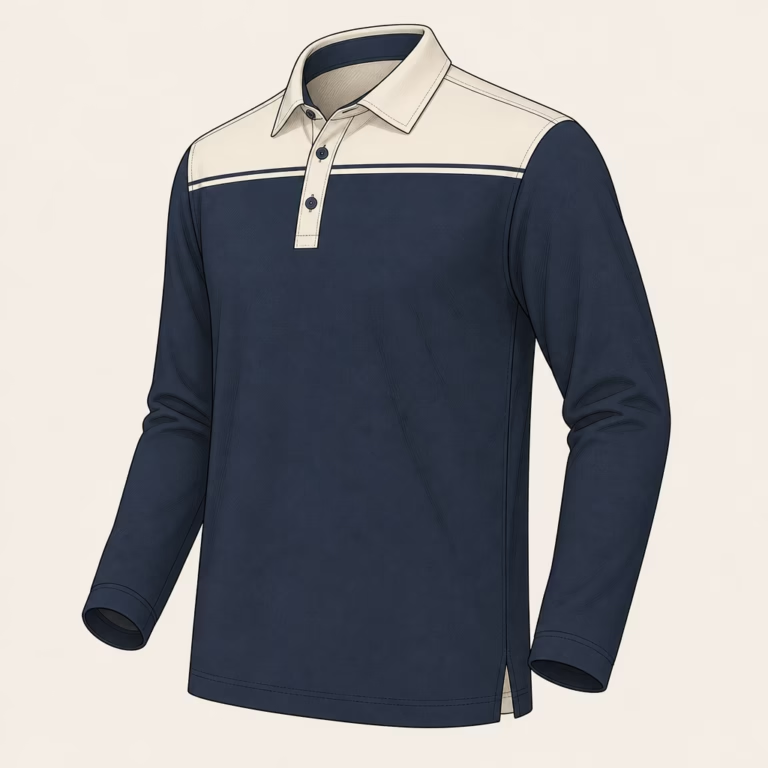
BULK CUSTOM GOLF APPAREL
Men’s Long Sleeve Golf Polo Shirts
For apparel brands, golf clubs and team programmes. Share a reference style, quantity and available specifications to start.
01 / MATERIALS & PERFORMANCE
Fabric Composition
Compare these blend options for your preferred fabric feel, stretch and care needs. Each option totals 100% and represents a material direction to evaluate for this polo.
| Blend option | Suitable use | Main tradeoff |
|---|---|---|
| 100% polyester | Light, easy-care golf programs | Less natural fiber feel and limited inherent stretch |
| 95% polyester / 5% elastane | Active movement with added stretch | May need careful heat and decoration settings |
| 95% cotton / 5% elastane | Soft cotton-led casual golf wear | Can feel heavier and dry more slowly than polyester |
| 60% cotton / 40% polyester | Balanced cotton feel and shape retention | Less stretch than an elastane blend |
| 60% cotton / 35% polyester / 5% elastane | Softness, easy care and movement | More blend variables to control during material approval |
Final material specifications depend on the selected fabric.
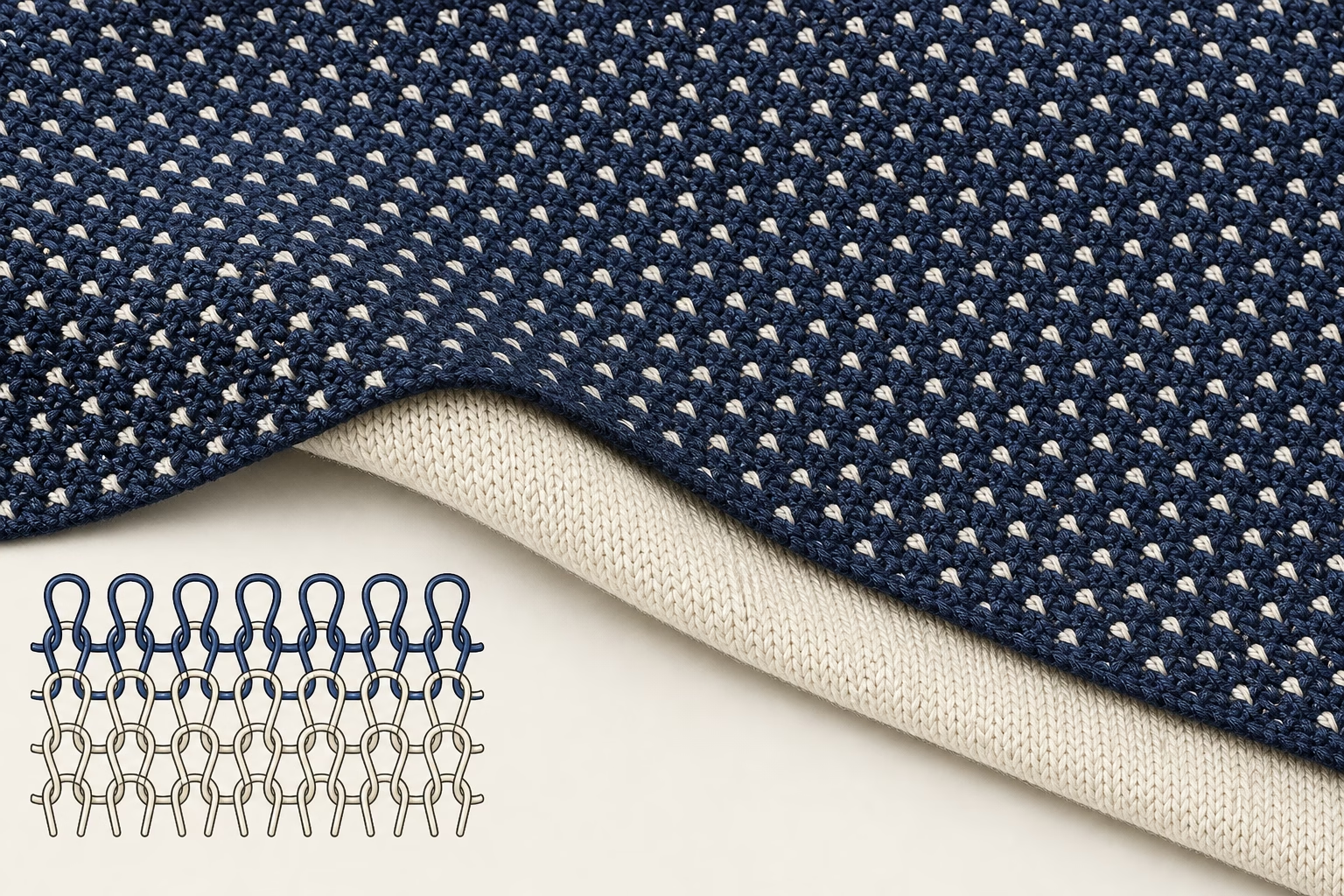
Fabric Weight
GSM means grams per square meter, a way to compare fabric weight. Use the weight together with the knit structure and fiber blend when selecting the polo’s body and seasonal use.
| Reference weight | Fabric body and drape | Typical use |
|---|---|---|
| 160 GSM | Lighter body and easier drape | Warm-weather layering and reduced bulk |
| 180 GSM | Balanced body with moderate drape | Versatile golf polo development |
| 200 GSM | More body and a steadier silhouette | Regular-season wear and structured styling |
| 220 GSM | Fuller body and warmer feel | Cooler conditions or a substantial polo |
Long sleeves do not automatically require a heavier fabric. Select the weight for the climate, layering plan and desired drape, then confirm the final fabric specification on the sample or finished material.
Fabric Construction
Choose the knit structure with the intended playing conditions and decoration in mind. Pique gives the polo a textured surface and recognizable golf-shirt body. Single jersey can create a smoother, lighter drape. Double knit can provide a fuller, more stable feel, while mesh can increase airflow through its more open structure.
The structure interacts with fiber content, weight and finishing. Review the actual fabric sample before approving the final combination.
Performance Features
Choose stretch when the golfer needs easier arm movement, especially through the forearm and shoulder. A more open knit can improve airflow, while a smoother or denser knit can give a steadier surface for decoration. Polyester-based options can support a lighter, quick-drying direction; cotton-rich options prioritize a softer natural feel but may dry more slowly. Confirm the balance on the chosen fabric and sample.
02 / FIT, SIZING & COLOR
Fit Options
Choose a regular fit for easier layering, a sport fit for a closer movement profile, or a slim fit for a neater outline. For this long-sleeve style, set sleeve width and sleeve length separately by size so forearm room does not force an overly long cuff.
Review the shoulder, armhole, chest, sleeve opening and hem while wearing the layers intended for play. An extended hem can improve tucked stability, but too much length or a narrow lower body can restrict movement when bending or swinging.
Sizes
We can develop a size range such as XS–3XL against your size chart, with the final range and measurements set for your program. Define chest, shoulder, sleeve length, sleeve width, cuff opening, body length and hem width clearly. Grading means adjusting the base garment pattern across sizes; review the graded sample to ensure sleeve and body proportions remain balanced.
Color Options
Choose a base color that fits your golf program, then confirm the shade against a physical color reference or approved color standard. Black, navy, white and gray are useful starting points; seasonal colors, contrast panels and Pantone-matched dyeing can be evaluated for the selected fabric. Color appearance can vary with fiber, knit structure and finishing, so approve the shade on the actual fabric or sample.
03 / GARMENT CONSTRUCTION
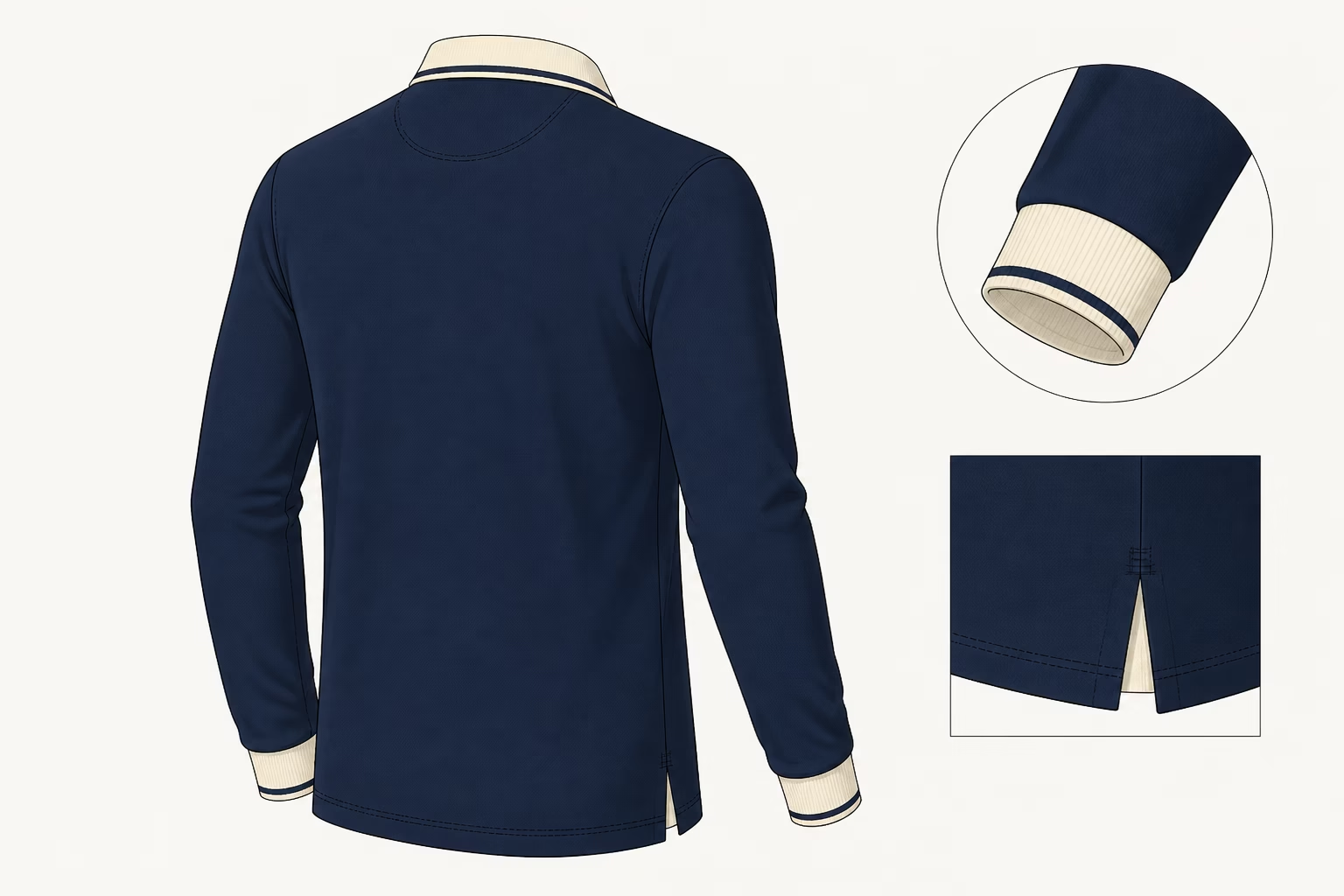
Construction concept / reference build.
Construction Details
The sleeve, cuff and hem should work together as one movement system. Review the sleeve opening over the forearm, the cuff’s return after bending the arm, and the hem’s position when the shirt is tucked or worn out. The neckline and button opening should lie flat without pulling when you layer the polo or swing.
For the finished garment, compare sleeve length across sizes, check that the hem hangs evenly, and inspect seam alignment around the armhole, side seam and cuff. The final structure may use a collar stand or rib collar, a two- to four-button opening, side vents or a double-needle hem according to the selected design.
04 / YOUR BRAND & PRODUCT SPECIFICATION
Logo Options
Choose the decoration method according to the artwork, fabric stretch and placement. Direct embroidery gives a raised, durable-looking mark but needs a stable area and suitable backing so the design does not pucker or feel bulky. An applied embroidered patch separates the stitching from the shirt but adds a visible edge and extra layer.
Heat transfer and screen printing can suit smooth artwork and lighter marks; silicone marks can add a raised effect; woven labels work for small identity details. Send vector artwork or a clear high-resolution file with finished size and colors. Review chest, sleeve and back-neck placement on the sample, especially where the fabric stretches or the sleeve bends.
Customization Scope
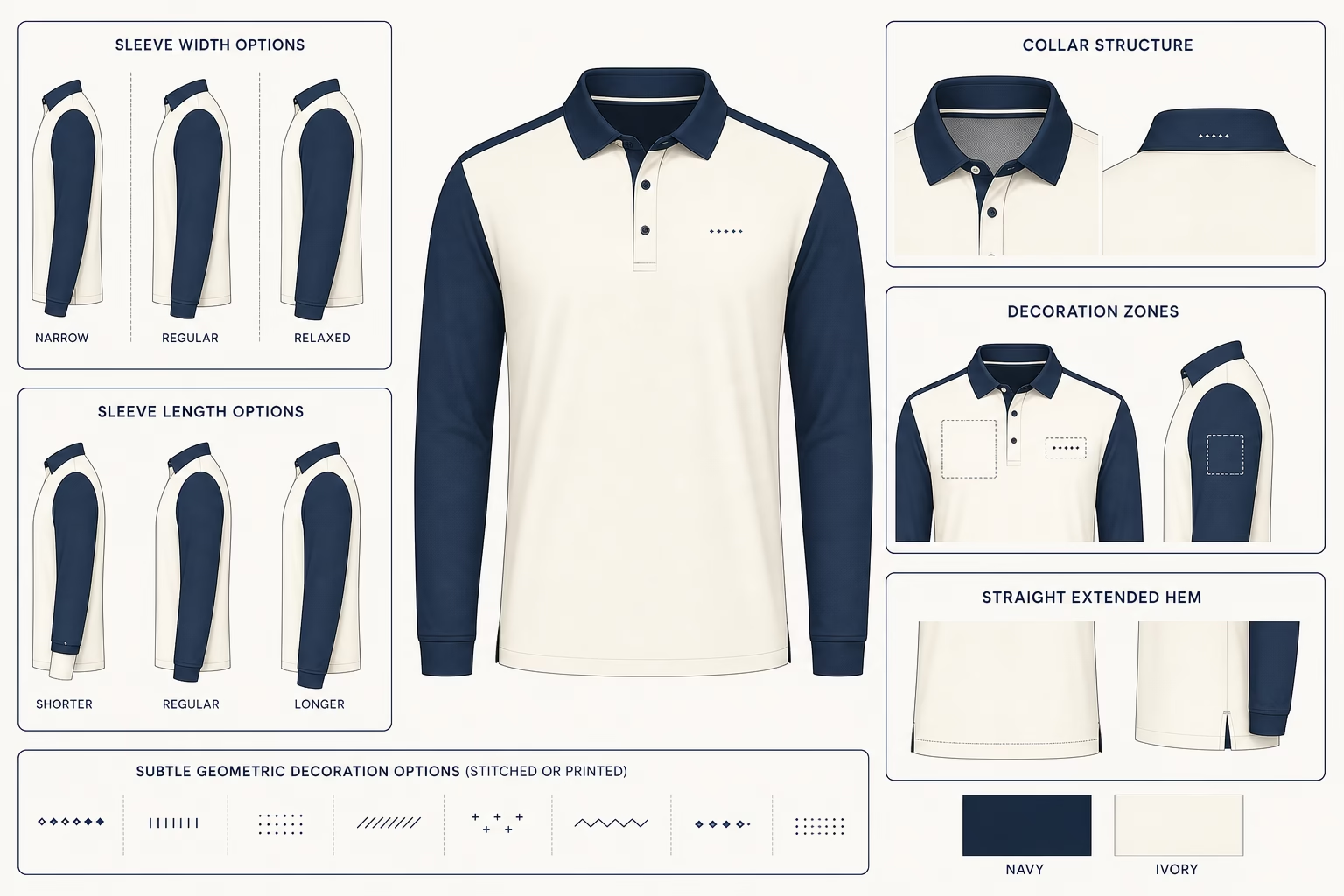
Use this menu to define the base garment before we quote the final combination. Each choice affects movement, appearance or how securely the shirt stays tucked.
| Area | Choices | Purpose |
|---|---|---|
| Sleeve | Sleeve width and sleeve length graded separately | Balances forearm room with a controlled sleeve profile |
| Hem | Standard length or extended length | Supports tucked wear and reduces the need to pull the shirt down |
| Opening | Two to four buttons | Changes neckline opening and styling |
| Side seam | Side vent or closed side seam | Changes lower-body movement and shirt drape |
| Collar | Collar stand or rib collar | Changes neckline structure and visual character |
05 / ORDER & DEVELOPMENT PLANNING
Minimum Order Planning
Our MOQ is 300 pieces. Send your preferred quantity together with the intended size and color breakdown so we can discuss the selected sleeve, hem, fabric and decoration details.
Sample Lead Time
Sample lead time is 7–10 days. Use the sample to assess sleeve width and length by size, forearm room while layering, hem position when tucked, cuff recovery after bending, and logo placement on the selected fabric.
Bulk Lead Time
Bulk production lead time is 15–30 days. Share your desired delivery schedule with the quantity, size and color details so we can review the production plan for your selected fabric, construction and decoration.
06 / APPROVAL & APPLICATION
Quality & Approval Checks
Use the selected fabric, size specification and sample details as references when agreeing quality requirements for this order.
| Quality point | Reference to compare | Why it matters |
|---|---|---|
| Material | Approved fiber content, knit structure and GSM | Confirms the fabric direction and expected body |
| Fit measurements | Size chart, sleeve length, sleeve width and extended hem | Controls layering comfort and tucked stability |
| Neck and opening | Approved neckline shape and button-opening sample | Helps the polo lie flat during wear |
| Decoration | Approved artwork size, position and backing comfort | Reduces distortion and discomfort on stretch areas |
| Sewing and appearance | Even hem, aligned seams, clean cuff and side-vent finish | Provides a clear finished-garment reference |
Suitable Bulk Buyers
- Golf apparel brands: need a repeatable base style with controlled sleeve and hem proportions across a collection.
- Golf teams and clubs: need coordinated colors, player-ready sizing and clear logo placement for group orders.
- Course shops: need a wearable layering polo with practical decoration and a size plan suited to their customer profile.
Target Markets
For cooler or changeable golf conditions, review layering room, sleeve length and fabric weight together. Confirm measurements in the system used for your destination market and check the label, fiber-content and care information required for your sales channel. Final color and fabric choices should also reflect the climate and season where the polo will be used.
What to Include in Your Enquiry
Send your reference style, target quantity, preferred size and color breakdown, artwork, and desired delivery date. A reference photo or initial idea is also useful when your technical specification is not ready.
Discuss Your Product Requirements
Share your reference style, estimated quantity, colors and available artwork. We can review a practical next step for your bulk project.