BULK CUSTOM GOLF APPAREL
Men’s Hooded Golf Rain Jackets
For apparel brands, golf clubs and team programmes. Share a reference style, quantity and available specifications to start.
01 / MATERIALS & PERFORMANCE
Fabric Composition
Compare these blend options for fabric feel, stretch and care needs. The membrane or coating and any backing are separate parts of the rain-layer structure, so they should be specified separately from the fiber percentage of the shell or lining.
| Material route | Typical composition | Application and tradeoff |
|---|---|---|
| Polyester shell | 100% polyester | A practical shell route with a stable base; less inherent stretch than an elastane blend. |
| Nylon shell | 100% nylon | A smooth, lightweight shell option; final fabric feel and structure depend on the weave and finish. |
| Stretch polyester shell | 92% polyester / 8% elastane | More movement ease for golf; elastane can change recovery, care needs and layer weight. |
| Stretch nylon shell | 92% nylon / 8% elastane | Flexible shell option for shoulder movement; requires review of stretch, recovery and construction compatibility. |
| Separate lining or backing | 100% polyester or 100% nylon | Can alter interior comfort and layer behavior; it is specified separately from the outer shell. |
Final material specifications depend on the selected fabric, membrane or coating, backing and finished construction. Recycled fiber content may be evaluated as a material direction when available, with the exact percentage and documentation agreed for the order.
Fabric Weight
GSM means grams per square meter. Use it to compare fabric mass, then assess the actual composite for drape, layering and fabric feel.
| Reference weight | Likely garment effect | Useful direction |
|---|---|---|
| 120 g/m² | Lighter feel and easier packability | Useful when low bulk matters; review opacity, structure and trim weight. |
| 150 g/m² | Balanced body and moderate drape | A versatile development point for light rain-layer use. |
| 180 g/m² | More body and a steadier drape | Useful when the jacket should feel less flimsy over golf clothing. |
| 210 g/m² | Heavier composite with more substantial body | Consider for cooler layering; check movement and packability. |
These are development reference points for the complete composite. A separate 50, 70 or 90 g/m² lining is specified in addition when the design uses one. Weight alone does not establish weather performance.
Fabric Construction
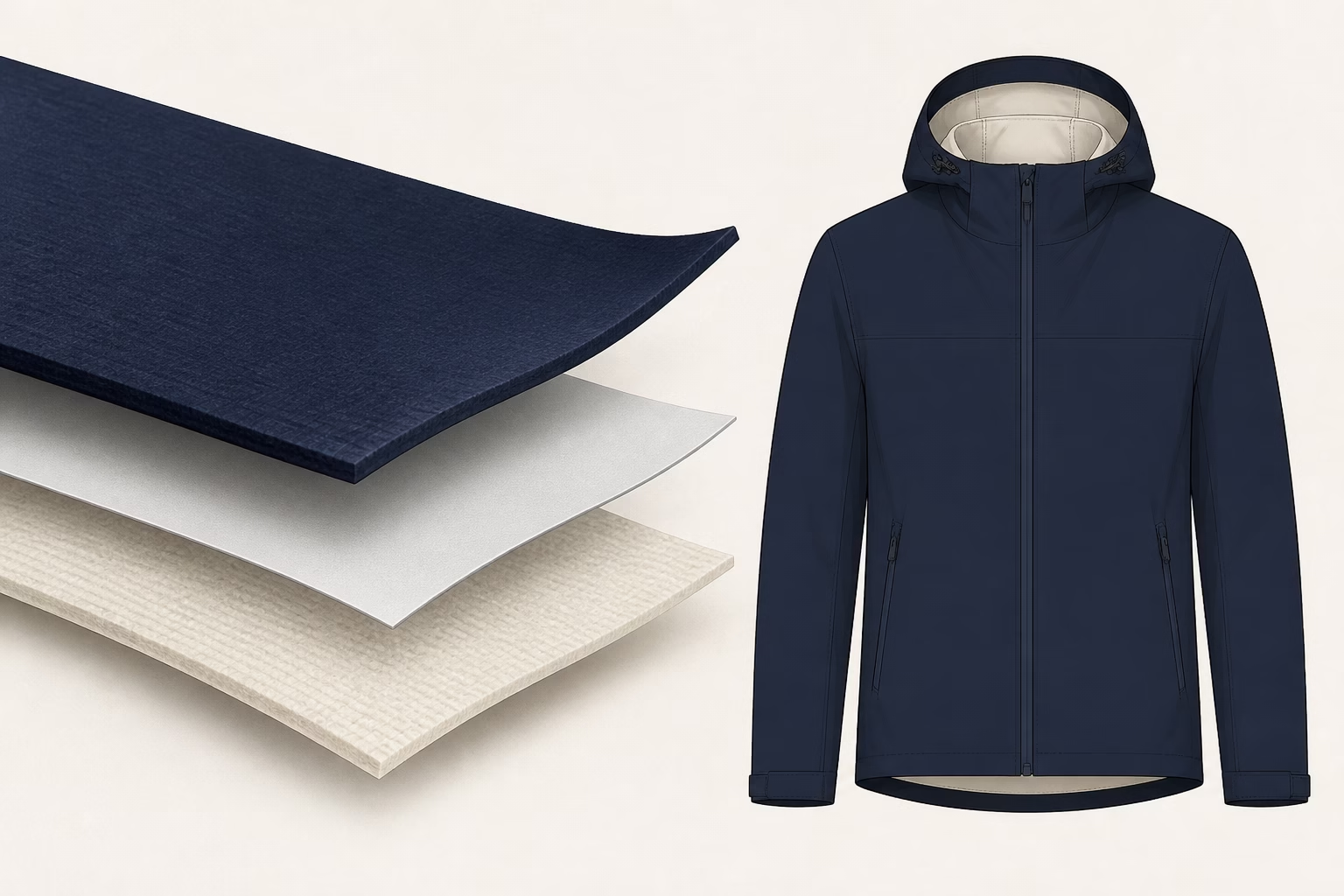
Choose a membrane or coated woven shell structure based on the balance you want between layering, flexibility and interior construction. A two-layer structure can pair the outer fabric with a membrane or coating and may use a separate lining. A two-and-a-half-layer structure uses a protective inner print or partial backing for a lighter interior route. A three-layer structure joins shell, membrane and backing into one composite and can reduce separate lining components, while adding its own fabric-feel and weight considerations.
These structures should be judged as complete rain-layer systems. The shell, membrane or coating, backing, seams and closures all affect the finished result.
Performance Features
Water resistance, moisture transfer and wind protection can be selected as performance goals for the shell system. The final result depends on the fabric, membrane or coating, seam treatment, closures and finished garment construction.
- A more breathable structure can support comfort during active play, but the complete garment should be evaluated with its lining and closures.
- Seam sealing and protected openings can support a rain-oriented design where the selected structure accepts them.
- Stretch in the shell can improve shoulder movement, while too much stretch may change recovery and fit.
02 / FIT, SIZING & COLOR
Fit Options
Develop the base garment pattern in a regular fit for practical layering or a sport-oriented fit for a closer profile. The key measurement decisions are chest, shoulder width, sleeve length, hood volume and body length. A little extra shoulder room can support a golf swing and mid-layer, while too much ease may create bulk and affect the jacket’s shape.
Evaluate the hood over the intended golf cap and check head rotation, neckline comfort and sleeve movement. Review the jacket with the planned layers rather than judging the shell alone.
Sizes
Size planning can use a range such as XS–3XL, subject to your approved size chart and base garment pattern. Send body measurements or a reference chart so chest, shoulder, sleeve, hood and length points can be set for the intended wearer.
Grading means adjusting one base garment pattern across sizes. Review the graded measurements on the sample and planned size set rather than relying on the label alone.
Color Options
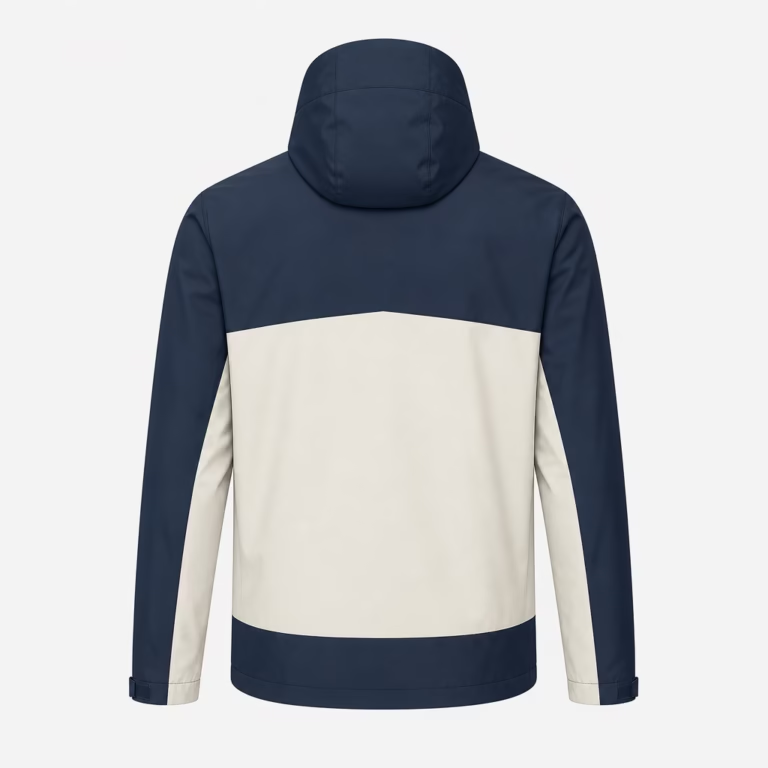
Choose a base shade such as navy, black, white or gray for a coordinated golf program. Seasonal colors, contrast panels and Pantone-based color development can also be evaluated against a physical color reference. The selected shell, lining and trims should be reviewed together because their visual contrast affects the finished jacket.
03 / GARMENT CONSTRUCTION
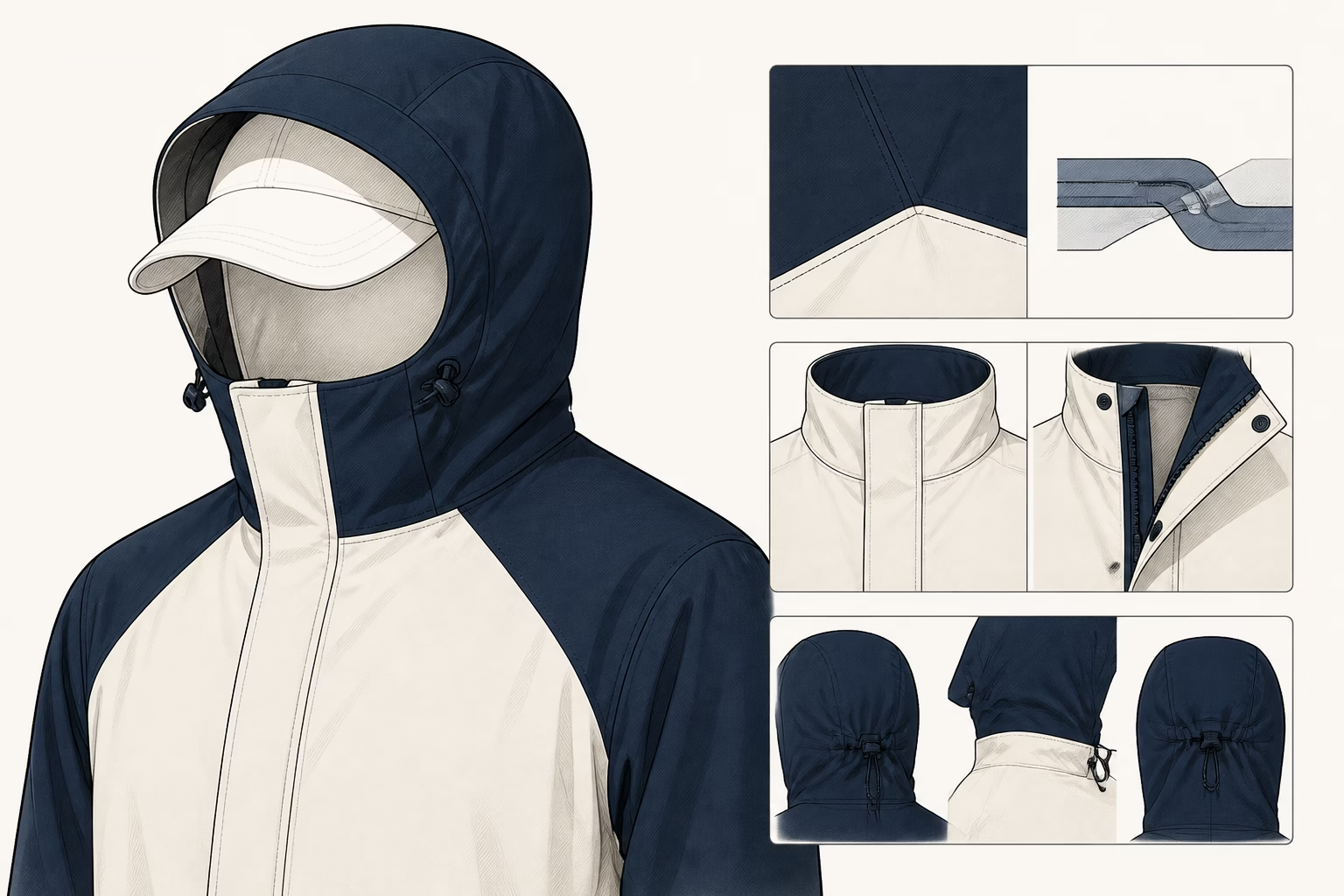
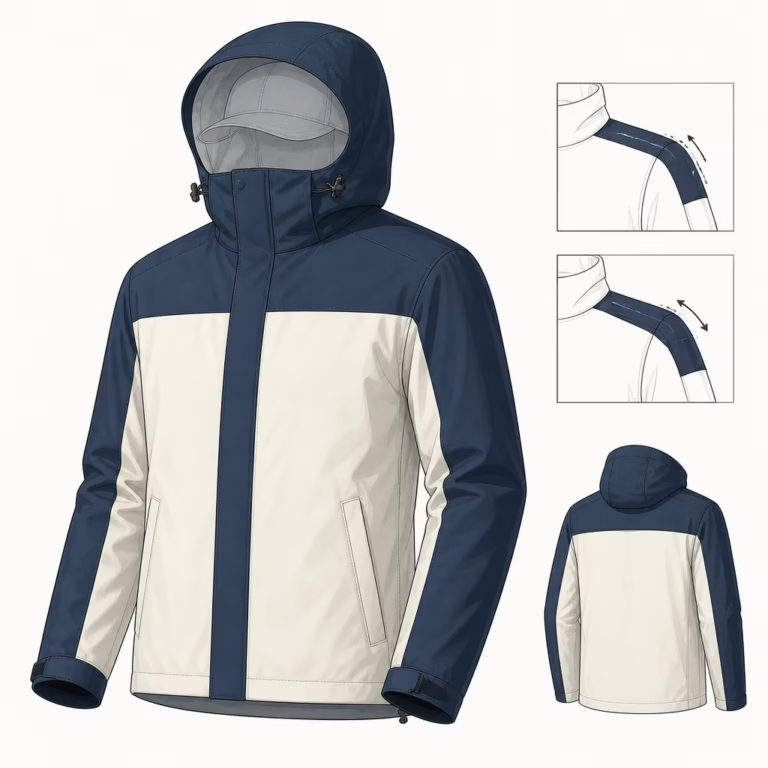
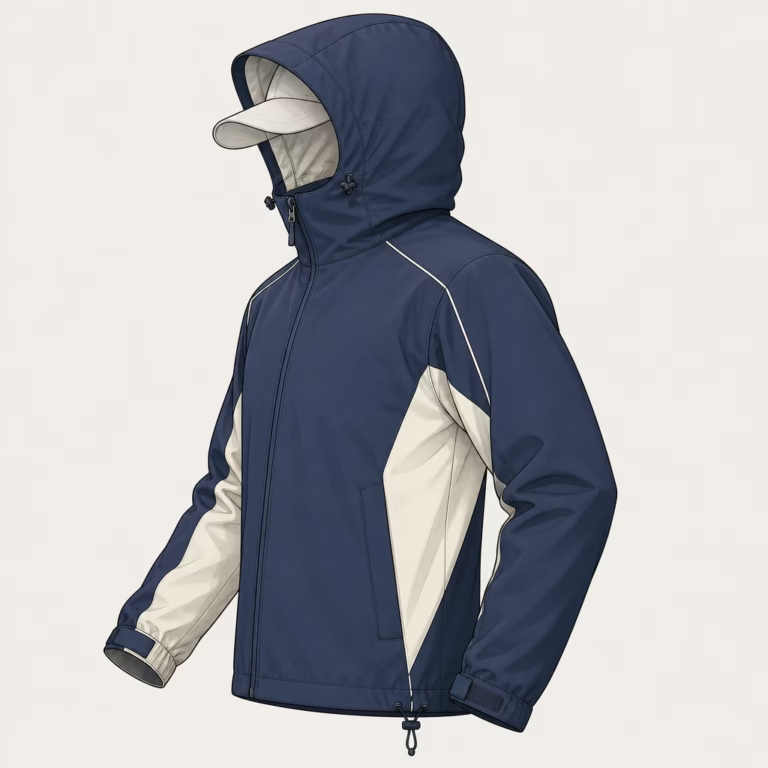
Construction concept / reference build.
Construction Details
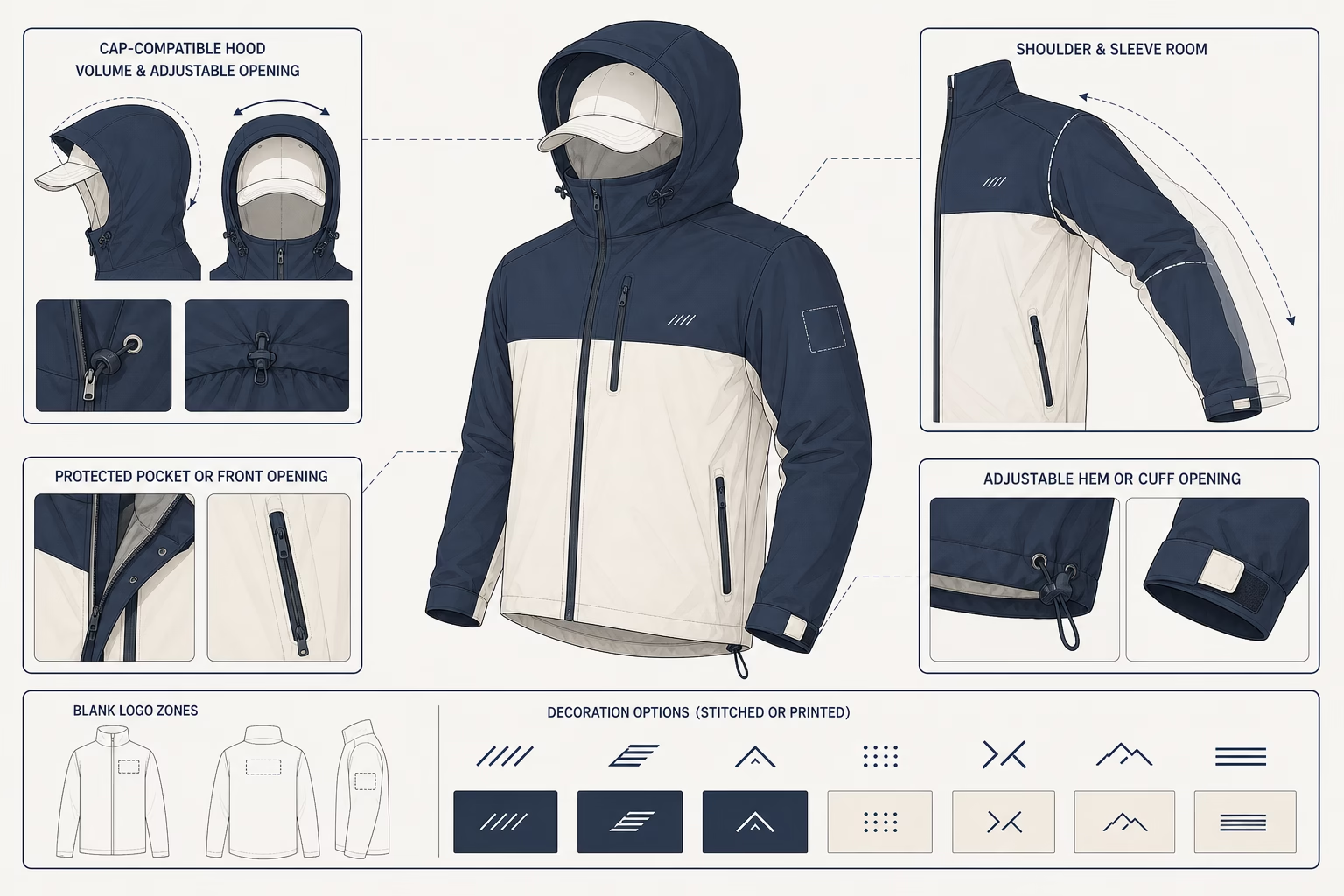
The hood, neckline and shoulder must work together without restricting head movement during a swing. A cap-compatible hood can be shaped with suitable volume and an adjustable opening, while the shoulder pattern can allow room for golf layering and rotation. Review the jacket while wearing a golf cap and moving through a turn.
Depending on the selected design, seam sealing, a rain-resistant front closure, protected pocket openings and adjustable hems or cuffs can be developed as separate construction choices. Inspect the junctions between these parts for a clean finish and consistent coverage rather than assuming that one feature defines the whole garment.
04 / YOUR BRAND & PRODUCT SPECIFICATION
Logo Options
Rain-layer decoration needs a compatibility check before production. Direct embroidery can create needle holes and may require backing or sealing, so it should not be treated as the default method. Heat transfer, an applied label or another validated process may reduce needle penetration, but heat, pressure and adhesive must suit the selected shell, membrane or coating.
Useful placement areas include the chest, sleeve or upper back, subject to seam, hood and movement zones. Send vector artwork where possible and specify finished size, colors and placement. Review the decorated sample for adhesion, edge finish, comfort and any effect on the rain-layer surface.
Customization Scope
Use this menu to define the base garment before decoration and material approval.
| Area | Choices | Purpose |
|---|---|---|
| Hood | Cap-compatible volume; fixed or removable direction; adjustable opening | Improve cap fit and let you control coverage and packability |
| Shoulder and sleeve | Regular or sport-oriented shoulder room; sleeve opening adjustment | Balance layering comfort with movement during a golf swing |
| Front and pocket areas | Rain-resistant closure; protected or sealed pocket opening | Coordinate access and weather-oriented construction with the shell |
| Hem and cuffs | Open or adjustable opening | Adjust the fit around clothing layers and reduce excess fabric |
These choices are developed around the selected shell structure, trims and intended use; not every option needs to be combined in one style.
05 / ORDER & DEVELOPMENT PLANNING
Minimum Order Planning
Our MOQ is 300 pieces. Send your preferred quantity, size breakdown and color breakdown so we can discuss the selected hood, shoulder, material and decoration details.
Sample Lead Time
Sample lead time is 7–10 days. The sample should help assess hood fit over a golf cap, head rotation, shoulder movement, sleeve and body measurements, and the selected shell, closure and decoration treatment.
Bulk Lead Time
Bulk production lead time is 15–30 days. Share your desired delivery schedule with the order quantity, size and color breakdown so we can discuss the production plan. Changes to materials, colors, structure or logo treatment may affect the schedule.
06 / APPROVAL & APPLICATION
Quality & Approval Checks
Use the selected fabric, size specification and sample details as references when agreeing quality requirements for this order.
| Quality point | Reference to compare | Why it matters |
|---|---|---|
| Material composition and GSM | Agreed shell, membrane, backing or lining specification | Confirms that the selected material route matches the intended fabric feel and layer plan. |
| Hood and shoulder fit | Approved sample worn over the intended golf cap and layer | Checks head movement, cap accommodation and swing-related shoulder room. |
| Seams and openings | Approved seam, front closure, pocket and cuff or hem details | Helps identify uneven joining, poor alignment or unfinished edges in weather-oriented areas. |
| Decoration | Approved artwork size, position and decorated sample | Checks logo placement, surface appearance, adhesion or stitch comfort on the selected rain layer. |
| Size measurements | Agreed size chart and base garment pattern | Keeps grading and finished measurements consistent across the planned size range. |
Suitable Bulk Buyers
- Men’s rainwear brands: need a defined hood, shell structure and decoration route for a focused outerwear line.
- Golf apparel brands: need shoulder movement, cap compatibility and coordinated colors for a performance-oriented range.
- Golf clubs and teams: need a consistent group style with agreed sizes, colors and logo placement.
Target Markets
This style can suit cool or wet golf markets where layering and rain coverage are important. For the United States, Canada, the United Kingdom, Europe or Australia and New Zealand, align the size chart, care information, fiber labeling and color requirements with the destination program. Climate and local buyer preferences should guide the shell weight and lining choice.
What to Include in Your Enquiry
To start, send your reference style, target quantity, preferred sizes and colors, logo artwork or reference image, and desired delivery date. Tell us whether cap compatibility, adjustable shoulder room, or both are essential.
Discuss Your Product Requirements
Share your reference style, estimated quantity, colors and available artwork. We can review a practical next step for your bulk project.