
BULK CUSTOM GOLF APPAREL
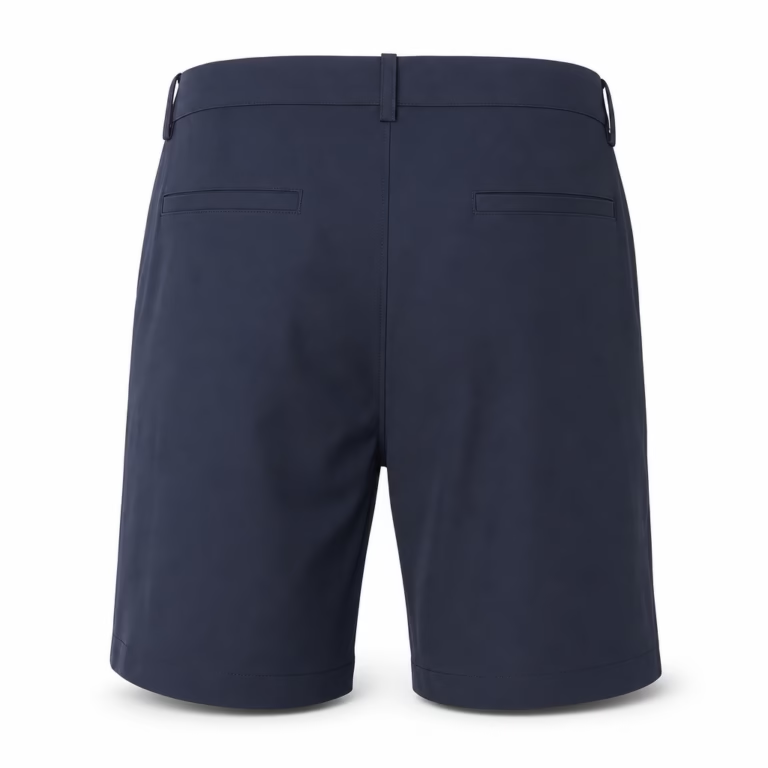
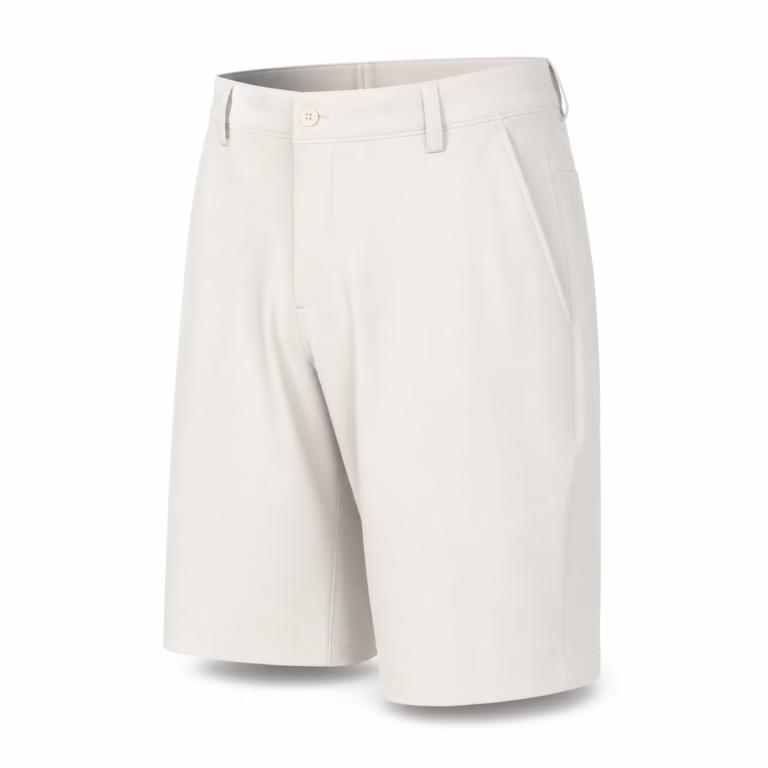
4-Way Stretch Golf Shorts
Estimated customization price:
-
For apparel brands, golf clubs and team programmes. Share a reference style, quantity and available specifications to start.
01 / MATERIALS & PERFORMANCE
Fabric Composition
Compare these blend options for your preferred fabric feel, stretch and care needs. Each option totals 100%.
| Blend option | Useful application | Tradeoff to consider |
|---|---|---|
| 95% polyester / 5% elastane | Balanced stretch for a versatile golf short | Less elastane than higher-stretch routes may limit movement ease |
| 92% polyester / 8% elastane | More stretch for active movement | Requires careful recovery and wash-shape review |
| 90% polyester / 10% elastane | High-stretch development direction | May feel more elastic and needs close shape-retention review |
| 92% nylon / 8% elastane | Alternative fabric feel and surface appearance | Cost and care behavior should be compared with polyester |
| 90% nylon / 10% elastane | Higher-stretch nylon development direction | Requires review of recovery, color result, and wash dimensions |
Mechanical-stretch polyester is another route when reduced elastane use is preferred, but its horizontal and vertical stretch must be verified. Final material specifications depend on the selected fabric.
Fabric Weight
GSM means grams per square meter. Use weight to compare fabric body and drape, but review stretch and recovery separately.
| Weight | Fabric body and drape | Typical use direction |
|---|---|---|
| 150 GSM | Light body with easier drape | Warm-weather or lighter-feel shorts |
| 170 GSM | Light to medium body | Balanced everyday golf use |
| 190 GSM | More body with steadier drape | Versatile use across changing conditions |
| 210 GSM | Fuller body and more structured drape | Cooler conditions or a substantial short |
The development reference range is about 140–230 GSM. The final weight should be checked on the selected fabric or garment component.
Fabric Construction
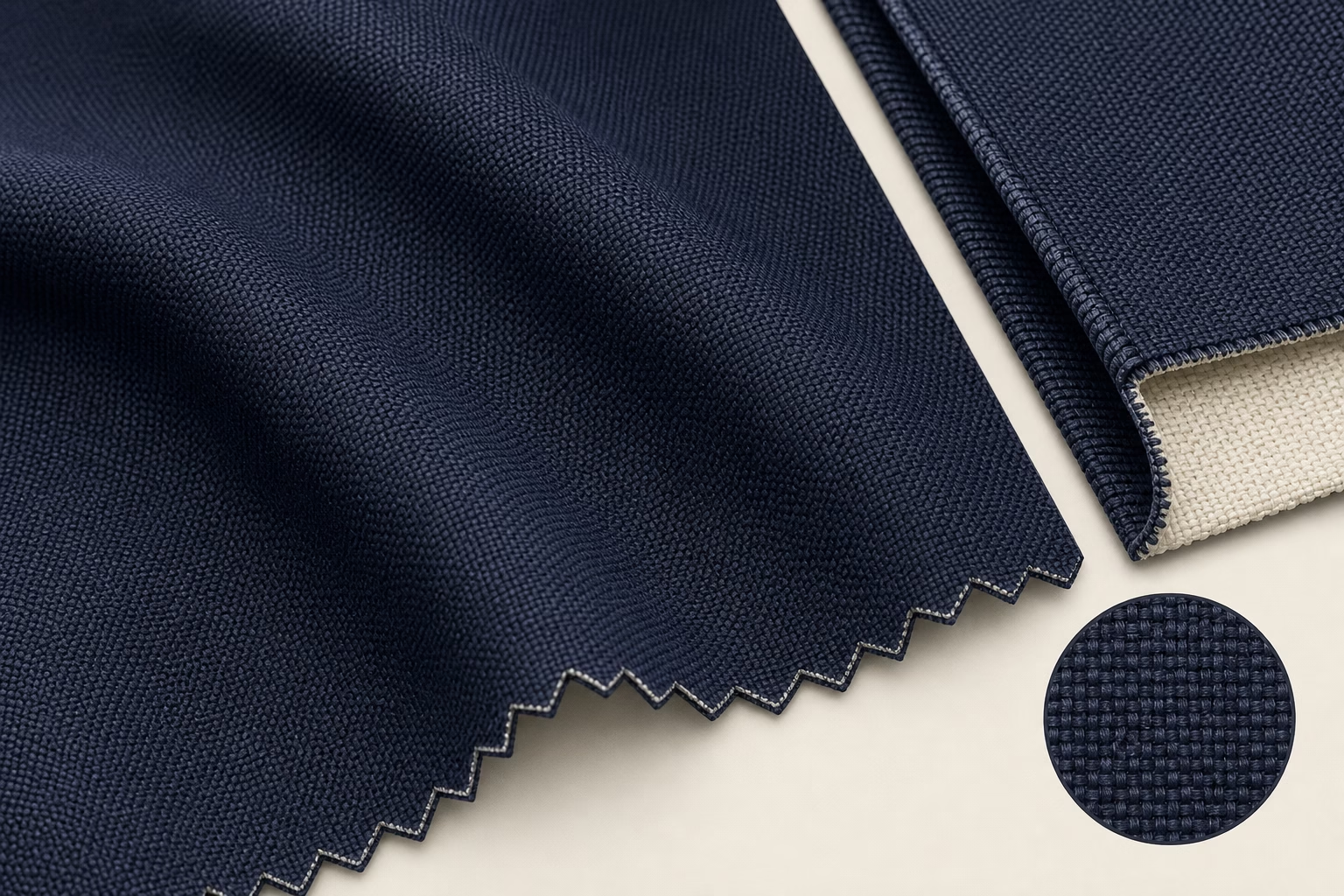
For golf shorts, stretch plain weave, twill, and micro-textured woven structures are suitable starting points. Plain weave can provide a clean, light structure; twill can add a more visible surface and fuller drape; a micro-texture can change airflow and surface appearance. Choose the structure with the required stretch direction and recovery, then assess how it behaves at the waistband, crotch, and pocket openings.
Performance Features
Four-way stretch is the main development focus. Confirm both horizontal and vertical stretch, then review recovery after movement so the shorts return to their intended shape. A more open woven structure can support airflow, while a denser or heavier fabric can give the garment more body. Moisture management, water-repellent finishing, or other treatments should be selected and evaluated separately rather than assumed from the fiber name.
02 / FIT, SIZING & COLOR
Fit Options
Choose a regular, fitted, or relaxed base garment pattern. A fitted pattern reduces extra fabric but needs enough thigh and seat room for golf movement. A relaxed pattern gives more ease but can change the leg opening and overall drape. Confirm waist, hip, rise, inseam, and leg opening measurements on the size chart and sample, especially where four-way stretch changes the way the shorts sit during movement.
Sizes
We can plan waist-number or letter sizing around your US or customer size chart. Provide finished measurements for the waist, hip, rise, inseam, and leg opening. Grading means adjusting the base garment pattern across sizes; review the graded measurements with the sample so stretch does not create unwanted changes in fit.
Color Options
Choose black, navy, white, gray, or another program color for your golf shorts. Seasonal colors, contrast panels, and Pantone color matching can be reviewed against a physical color reference before production. Final color selection should be considered with the fabric structure and decoration method because the same color direction can appear different on different surfaces.
03 / GARMENT CONSTRUCTION

Construction concept / reference build.
Construction Details
The crotch junction, waistband, and pocket openings should work together so the shorts support movement without making the front or back look bulky. Compare the selected crotch seam option on the sample during walking, bending, and golf-swing movements. Review how the waistband holds its shape and how pocket openings sit when loaded. Bar-tacked pocket openings and belt loops can be evaluated as part of the selected construction.
04 / YOUR BRAND & PRODUCT SPECIFICATION
Logo Options
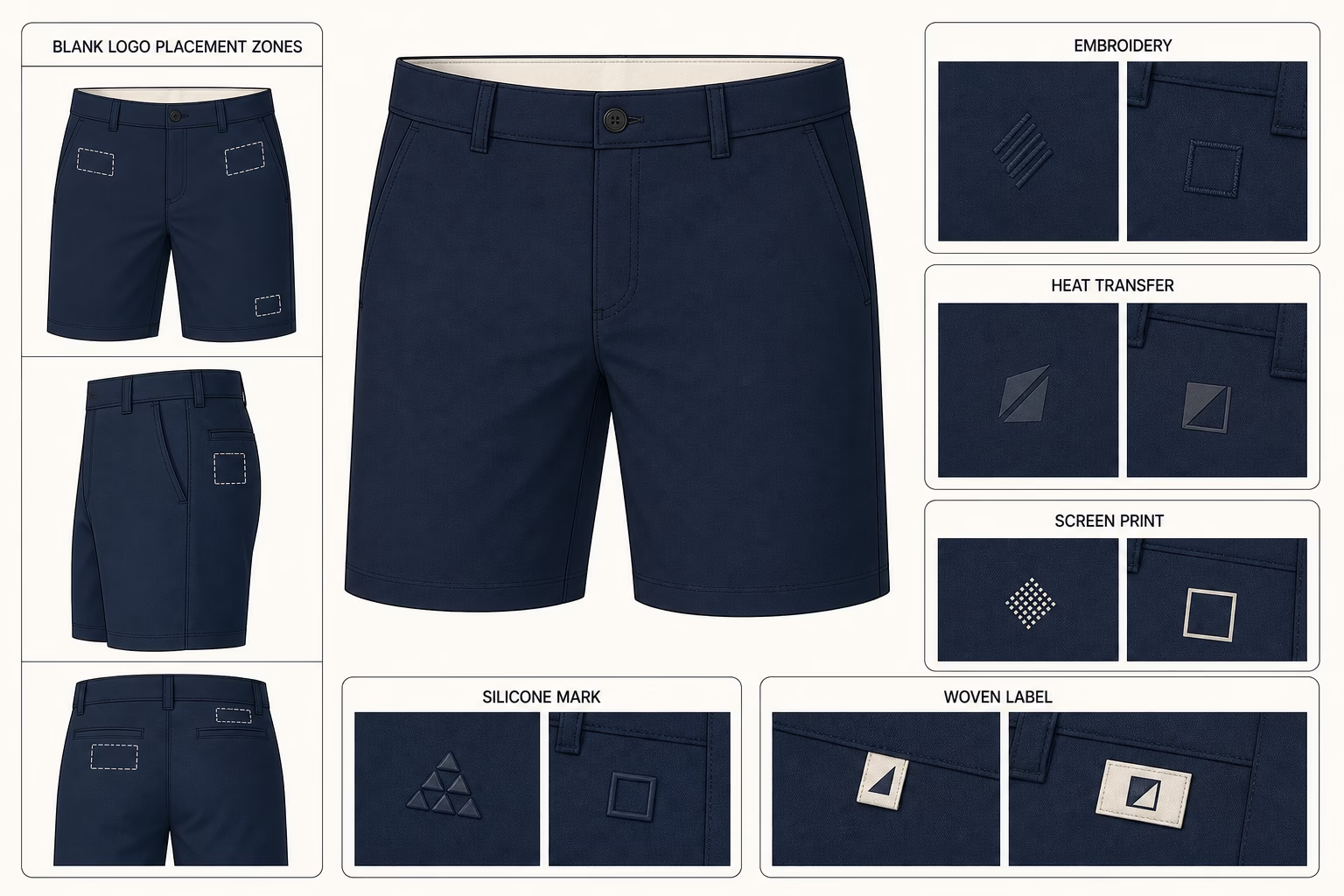
Choose decoration according to the fabric surface, stretch, artwork size, and placement. Direct embroidery creates a stitched design on the garment, while a woven label is an applied label and a heat transfer or screen print places a printed design on the surface. Silicone marks can create a distinct raised effect. For stretch shorts, review puckering, edge lift, and comfort at the chosen placement on the sample. Provide vector artwork where available and specify the logo size, colors, and location.
- Waistband or front pocket area: compact marks suited to team or brand identification.
- Back pocket or side leg: visible placement that should remain clear during movement.
- Woven label, heat transfer, screen print, silicone mark, or embroidery: select after comparing the decoration with the fabric stretch and surface.
Customization Scope
Use this menu to define the base garment pattern and movement profile. Select the options that support your intended golf use; the final combination should be reviewed together with the selected fabric and decoration.
| Area | Choices | Purpose |
|---|---|---|
| Fit | Regular, fitted, or relaxed | Controls thigh room and overall movement ease |
| Waist | Flat front, pleated front, or active waistband | Sets the front appearance and waist comfort |
| Leg shape | Standard short leg or adjusted opening | Balances thigh room with the leg opening |
| Crotch | Seam arrangement matched to the chosen stretch fabric | Supports movement through the rise and inner leg |
| Details | Belt loops, pocket opening treatment, and color blocking | Adapts the garment to your program and use |
05 / ORDER & DEVELOPMENT PLANNING
Minimum Order Planning
Our minimum order quantity is 300 pieces. Send your planned quantity and preferred size and color breakdown so we can discuss the order details.
Sample Lead Time
Our sample lead time is 7–10 days. Use the sample to assess horizontal and vertical stretch recovery, waist and hip fit, rise and leg opening, crotch seam comfort, and pre-wash versus post-wash dimensions.
Bulk Lead Time
Our bulk production lead time is 15–30 days. Share your desired delivery schedule with the order quantity, selected fabric direction, colors, sizes, construction choices, and decoration details so we can review the production plan.
06 / APPROVAL & APPLICATION
Quality & Approval Checks
Use the selected fabric, size specification, and sample details as references when agreeing quality requirements for this order.
| Quality point | Reference to compare | Why it matters |
|---|---|---|
| Fiber content and GSM | Selected fabric specification and fabric sample | Confirms the agreed material direction and fabric body |
| Stretch and recovery | Horizontal and vertical stretch of the approved sample | Connects four-way movement with shape retention |
| Wash dimensions | Pre-wash and post-wash measurements of the sample | Helps assess shape change after care |
| Fit measurements | Waist, hip, rise, inseam, and leg opening on the size specification | Keeps grading and movement ease consistent across sizes |
| Seams and decoration | Crotch junction, pocket openings, waistband, and logo position on the sample | Checks appearance, comfort, and placement in the finished garment |
Suitable Bulk Buyers
- Golf apparel brands: develop a differentiated fabric, fit, and logo program for retail or team collections.
- Golf teams and clubs: align colors, decoration, and size planning across a group order.
- Activewear brands: compare stretch blends, fabric weights, and movement-focused construction for a shorts line.
Target Markets
For warm climates, compare lighter GSM and a fabric structure that supports airflow. For cooler or more structured use, compare a heavier fabric with more body. Build the size chart from the destination market and confirm care and label requirements for the selling region.
What to Include in Your Enquiry
Send your reference style, planned quantity, size and color needs, artwork, and desired delivery date. A reference photo or early design idea is also useful when the technical specification is not ready.
Discuss Your Product Requirements
Share your reference style, estimated quantity, colors and available artwork. We can review a practical next step for your bulk project.