Golf Apparel OEM Manufacturing for Defined Designs
Ninghow Golf, the specialised golf apparel division of Ninghow Apparel, manufactures custom golf clothing for international B2B buyers with a defined design, technical pack or reference garment. Our OEM route connects technical review, material confirmation, sample approval, garment production, inspection, packaging and international shipment coordination.
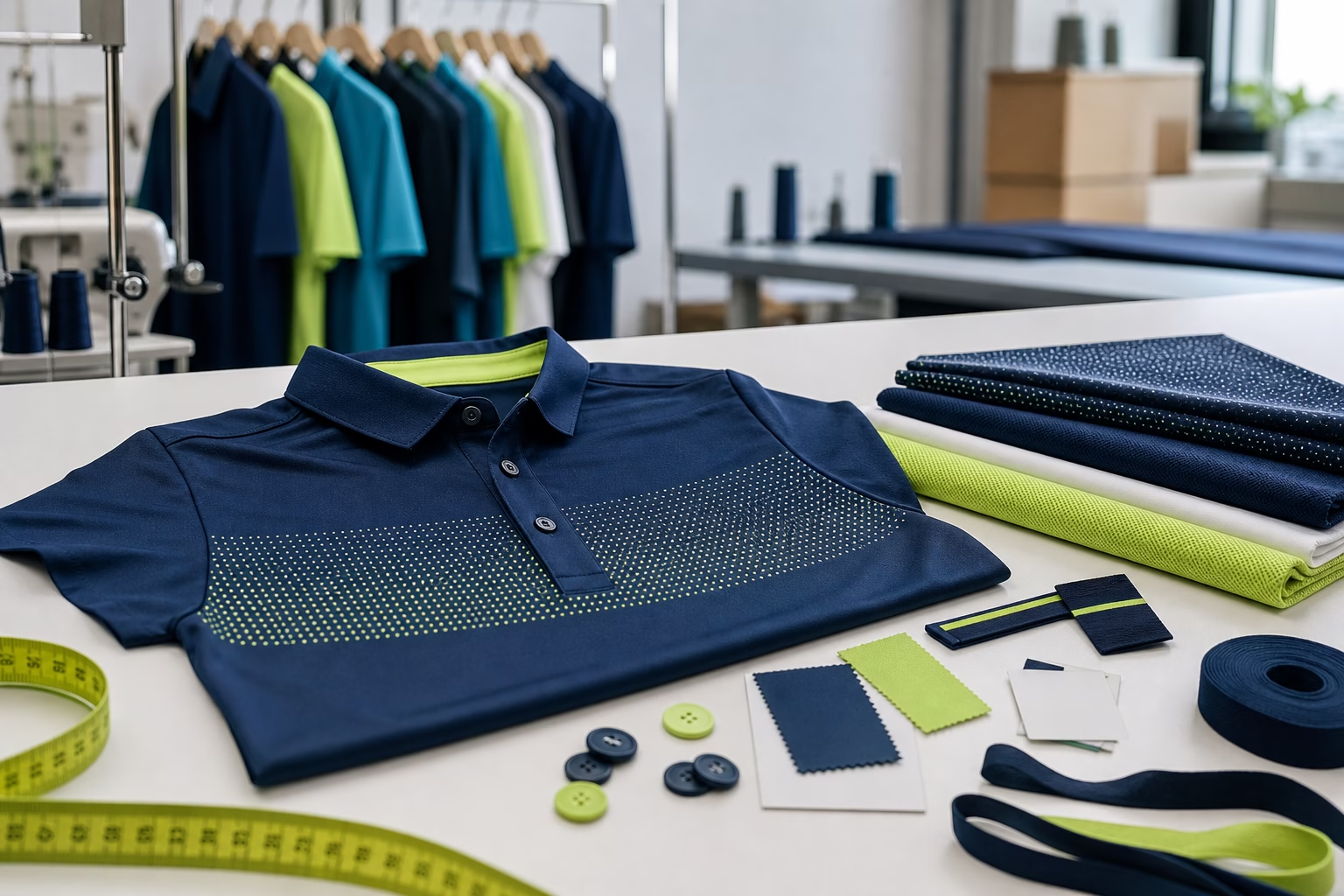
When an OEM Route Fits Your Golf Apparel Project
Golf apparel OEM manufacturing is intended for buyers who know what they want to produce and need a manufacturing partner to execute the design. The design may be supplied as a tech pack, specification sheet, reference garment or another documented production brief. The OEM brief normally defines the garment type, construction, materials, measurements, colours, branding, quantity and delivery requirements. These details are reviewed before production inputs are confirmed. If the collection direction or garment concept still needs substantial development, the ODM manufacturing route may be more suitable. Ninghow's OEM supply relationship is designed for B2B orders rather than individual consumer purchases. The exact garment, fabric, decoration, order quantity, inspection plan, packaging specification, payment arrangement and delivery requirement are confirmed for each project.
Existing Design:
You provide the intended garment and the requirements needed to reproduce it.
Production Review:
We check the available technical information, materials, trims, measurements and decoration instructions.
Sample Decision:
A sample is coordinated for review against the confirmed requirements.
Bulk Handoff:
Bulk production planning follows approval of the required pre-production sample and confirmation of the remaining commercial details.
Build a Complete Technical Brief Before Production Review
A clear technical brief gives the production team a defined reference for materials, construction and finished-garment checks. Ninghow supports fabric and trim sourcing, material preparation, pattern and sample development, cutting, sewing, decoration, finishing, inspection and packaging. The specific scope depends on the design and the information supplied. For an existing golf polo, shirt, trouser, short, skort, dress, jacket, pullover, mid-layer or vest, include the details that control how the garment will be made: Unresolved specifications can affect sample review and production planning. If a fabric, colour, measurement, construction detail or decoration method is not defined, it should be identified for project review rather than assumed. For focused help with material choices or logo application, see golf apparel fabric and branding services . The OEM route keeps those inputs connected to execution of the defined design.
Garment Category, Style Reference and Intended Size Range
Construction Details, Seam Requirements, Panels, Openings, Pockets and Closures
Fabric and Trim Information, Including Any Required Material References or Approved Alternatives
Measurement Chart, Grading Information and Points of Measurement
Colour References for the Garment, Trims and Decoration
Logo Artwork, Placement, Size and Application Instructions
Labels, Hangtags or Packaging Details Included in the OEM Brief
Planned Quantity and Required Delivery Destination
Confirm Materials, Colours and Construction Against the Design
Material confirmation is the point where the documented design is matched with the fabric and trims intended for production. Ninghow can coordinate fabric and trim sourcing and material preparation as part of the manufacturing process. The selected materials remain subject to the product, fabric and design requirements of the project. The review can cover fabric identity, colour information, trim selection, measurements, sewing requirements and decoration instructions. It also provides a practical opportunity to identify differences between a reference garment and the written specification before the sample is assessed. We do not assign a material, decoration finish or technical result without reviewing the garment and its specifications. Fabric and colour checking, measurement and sewing inspection and other quality steps are planned around the confirmed requirements.
Garment Design
Style, construction and component details — Creates the production reference for pattern, cutting and sewing work
Materials and Trims
Fabric, colour and trim requirements — Links the intended appearance and construction to the sample and bulk inputs
Measurements
Size chart, points of measurement and fit requirements — Provides a basis for sample review and measurement inspection
Branding
Artwork, placement and selected decoration instruction — Allows the branding method to be reviewed against the product, fabric and design
Packaging
Export or private-label packaging requirements in the brief — Sets the packaging review needed before shipment coordination
Use the Sample as the Approval Gate for Bulk Production
For an OEM order, the sample is coordinated against the confirmed design and production requirements. It gives the buyer a defined garment to review before bulk production planning moves forward. Sample approval is an important handoff because bulk planning depends on the agreed garment, materials and construction. The sample route is different from a full product-development programme, where the buyer may still be shaping patterns, fit, fabrics or the wider collection. For detailed sampling support, visit golf apparel sampling and development . Exact sample requirements, revisions and timing depend on the design, fabric and technical details. These points are reviewed for the individual project.
Submit the Design, Technical Information, Material Details and Branding Instructions.
Review the Available Construction, Fabric, Trim, Colour and Measurement Information.
Coordinate the Required Sample Using the Confirmed Production Inputs.
Compare the Sample with the Design Requirements and Communicate Any Revisions.
Approve the Pre-Production Sample When the Required Details Are Confirmed.
Move the Approved Design into Bulk Production Planning and Commercial Confirmation.
Carry Confirmed Branding into the OEM Garment
Branding can be included in OEM production when the application is suitable for the product, fabric and design requirements. Ninghow supports embroidery, screen printing, sublimation and heat-transfer applications. Your technical package should identify the artwork, logo placement, dimensions, colours and any application instructions. Where labels, hangtags or private-label packaging form part of the defined OEM brief, include them with the garment specifications so they can be reviewed as part of the production handoff. The selected method is not assumed from the logo alone. It is confirmed according to the product, fabric and design. Broader decisions about brand systems, packaging and private-label presentation belong in the relevant private-label manufacturing programme .
Embroidery:
Review artwork, placement and the garment area intended for the application.
Screen Printing:
Confirm the design, colour information and placement against the garment.
Sublimation:
Review the design and fabric suitability for the required application.
Heat Transfer:
Confirm the artwork, position and fabric requirements before production.
Move from Approved Inputs to Finished Garments
Once the materials and pre-production sample are confirmed, the OEM production handoff covers the operational stages needed to make and prepare the garments. Ninghow's apparel manufacturing operations in Shenzhen, Zhongshan and Jiangxi, China support product development, sampling coordination, garment production, sewing, finishing, inspection, packaging, supply-chain management and bulk production for international apparel projects. The documented manufacturing scope includes: This page focuses on executing a defined design. Production quantity, MOQ discussions, capacity and detailed commercial scheduling require a separate review through bulk golf apparel supply .
Material Preparation and Cutting
Garment Sewing and Assembly
Logo and Decoration Application
Finishing and Production Completion
Inspection and Packaging Review
Set Inspection and Packaging Checks for the Order
Ninghow's quality-control scope connects the approved product requirements with checks during and after production. The documented inspection path can include product requirement review, fabric and colour checking, measurement and sewing inspection, process quality control, final inspection and packaging review. For an OEM order, confirm which checks matter most for the garment and what documentation or inspection arrangement is required. AQL inspection and customer-appointed or third-party inspection can be supported when required. Coordination with third-party inspection or testing providers such as SGS or Intertek is available according to project requirements; this does not represent a universal certification or test result. The exact inspection plan, acceptance criteria and packaging specification are project-specific. Include them in the RFQ so they can be reviewed with the design and commercial requirements.
Requirement Review:
Check the production reference before inspection begins.
Material and Colour Checks:
Compare relevant fabric and colour inputs with the confirmed requirements.
Measurement and Sewing Inspection:
Review garment dimensions and sewing quality.
Process Quality Control:
Coordinate checks during production as required by the project.
Final and Packaging Review:
Check finished garments and packaging before the shipment handoff.
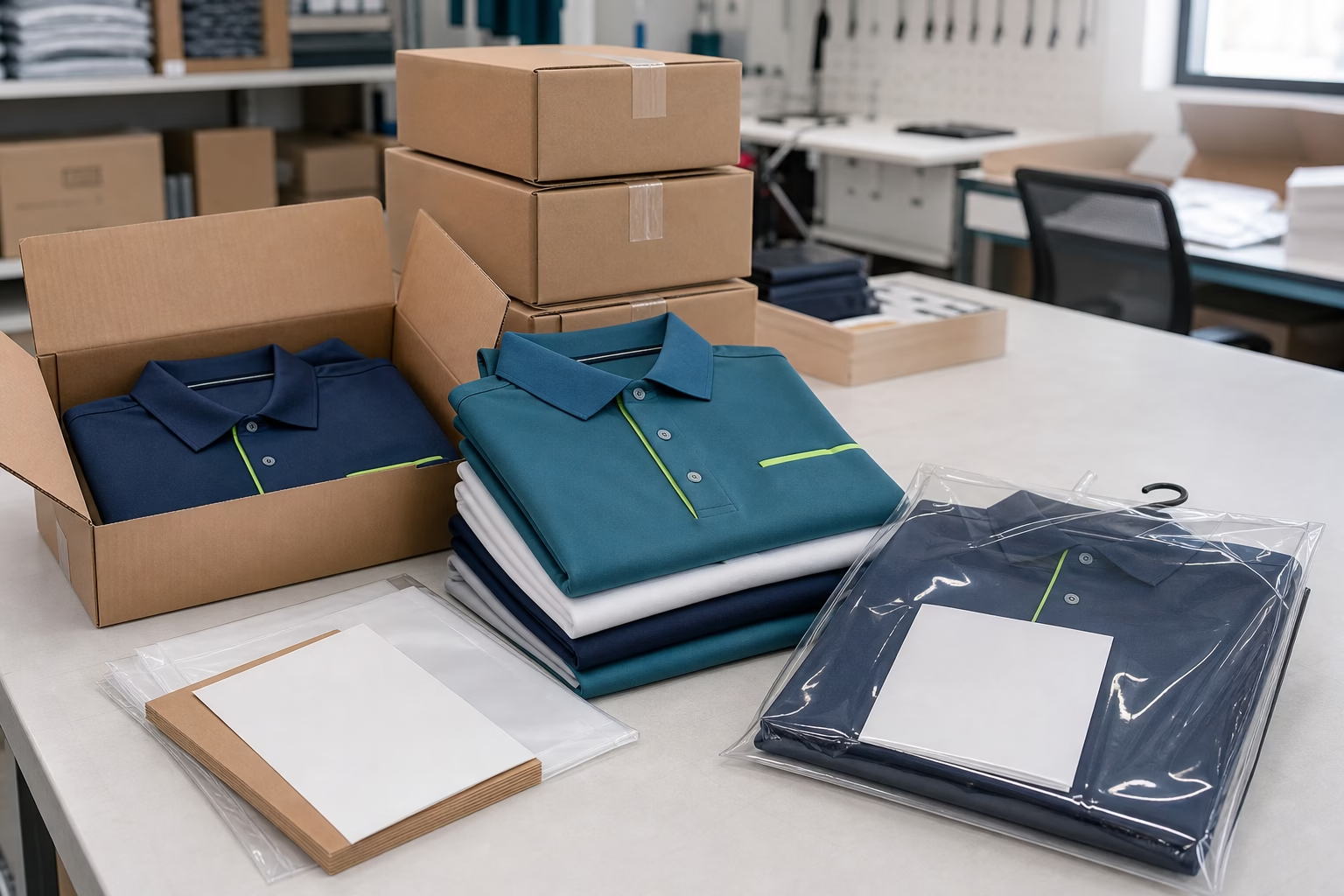
Coordinate Export Packaging and the Shipment Handoff
After production and inspection requirements are confirmed, Ninghow supports export packaging, export documentation and international shipment communication. Our manufacturing network serves international B2B apparel customers across North America, Europe, Australia, Southeast Asia, the Middle East and South America. EXW, FOB, CIF and DDP are available trade-term options according to project and shipment requirements. The applicable term, delivery destination, documentation and shipment arrangement must be confirmed for the individual order. Do not treat one trade term as a standard promise for every project. For a useful quotation review, provide the destination, required delivery arrangement, packaging expectations, quantity, payment preference and any inspection requirements alongside the technical brief. The final commercial details depend on the product, materials, customisation and order conditions.
What to Include in an OEM Enquiry
A defined design can be reviewed more efficiently when the initial enquiry includes the production information available to you. Send: We will review the project-specific garment, materials, branding, quantity, inspection, packaging, payment and delivery details before confirming the production route. Start an OEM Project with your files and requirements.
The Tech Pack, Specification Sheet, Reference Design or Reference Garment
Garment Category, Construction Notes, Measurements and Size Information
Fabric, Trim and Colour Requirements
Logo Files, Decoration Method Preferences and Placement Details
Quantity, Packaging and Label Requirements
Inspection Expectations and Delivery Destination
Required Trade Term or Shipment Arrangement, If Already Known
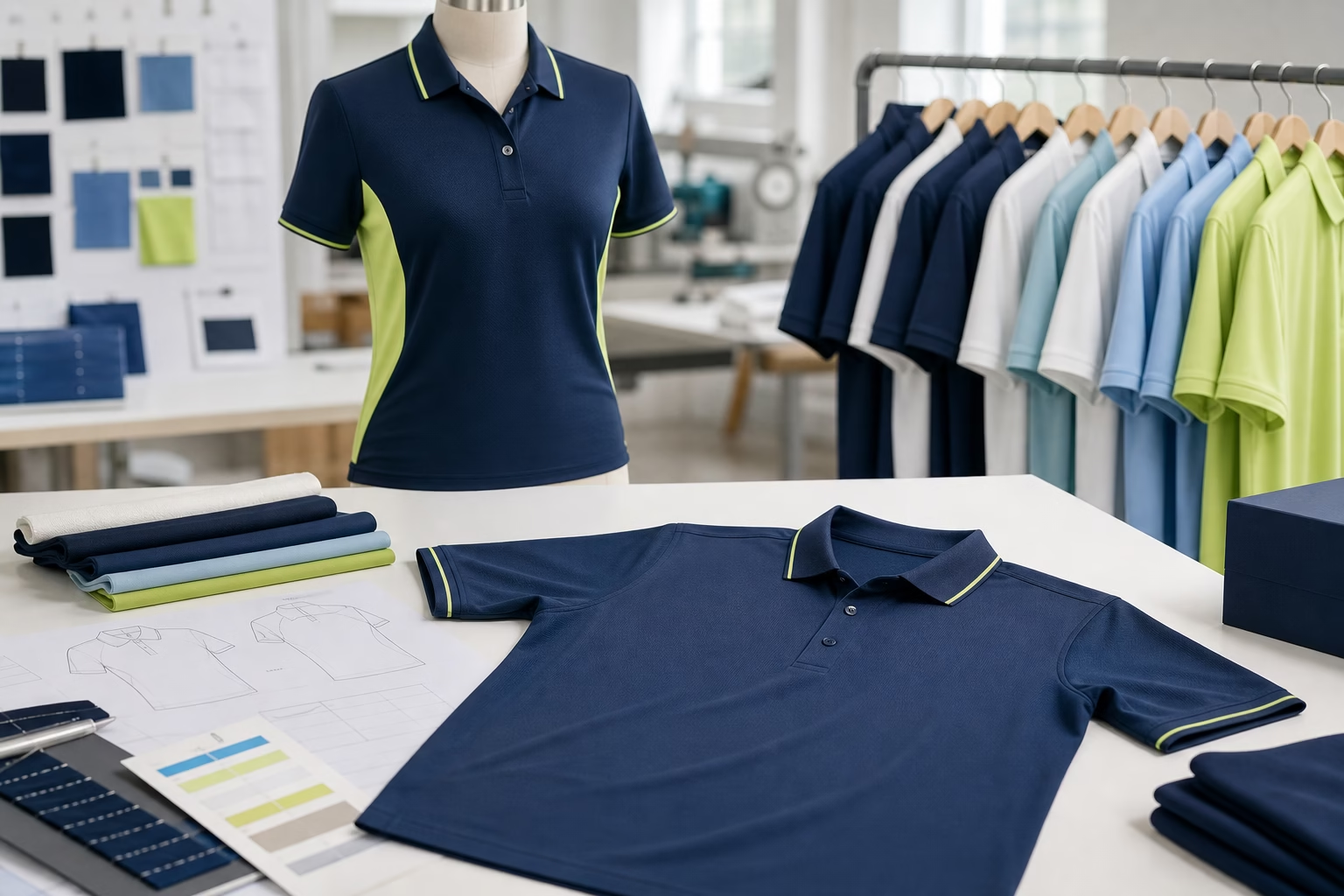
Start an OEM Project with Your Existing Design
Send your technical brief, reference design or tech pack to begin a project review. Ninghow Golf can assess the garment, materials, branding, sample requirements, inspection approach, packaging and international delivery details before the OEM production route is confirmed. Start an OEM Project
Related Information
FAQ
Frequently Asked Questions

Start Your Project
Discuss Your Golf Apparel or Apparel Product Requirements
Share the garment types, tech pack, design or reference sample, fabric and trim direction, size range, branding, quantity, packaging, destination, schedule and quality requirements. The Ninghow Golf team will review the appropriate development route.