Comparison Page

OEM vs. ODM Golf Apparel

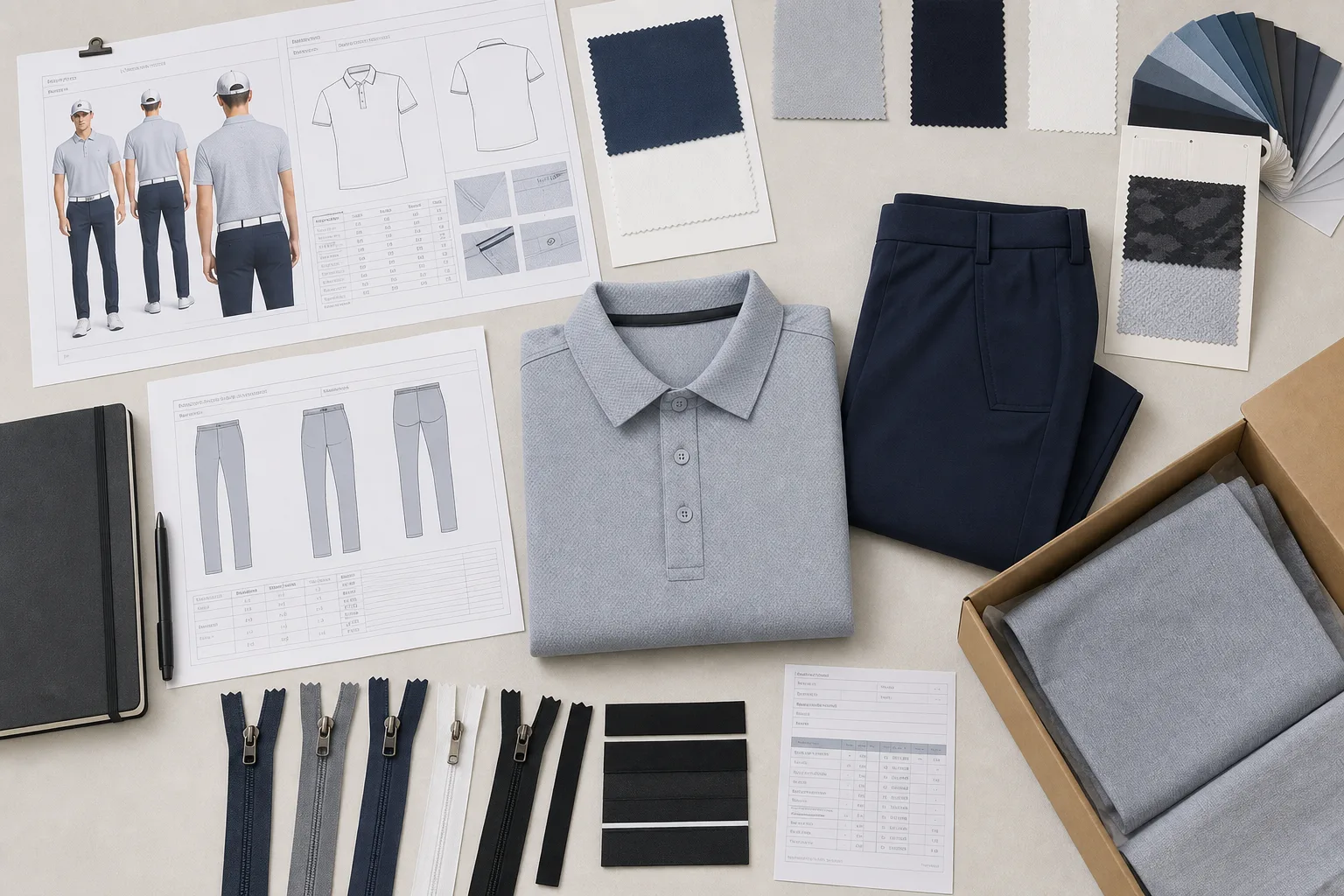
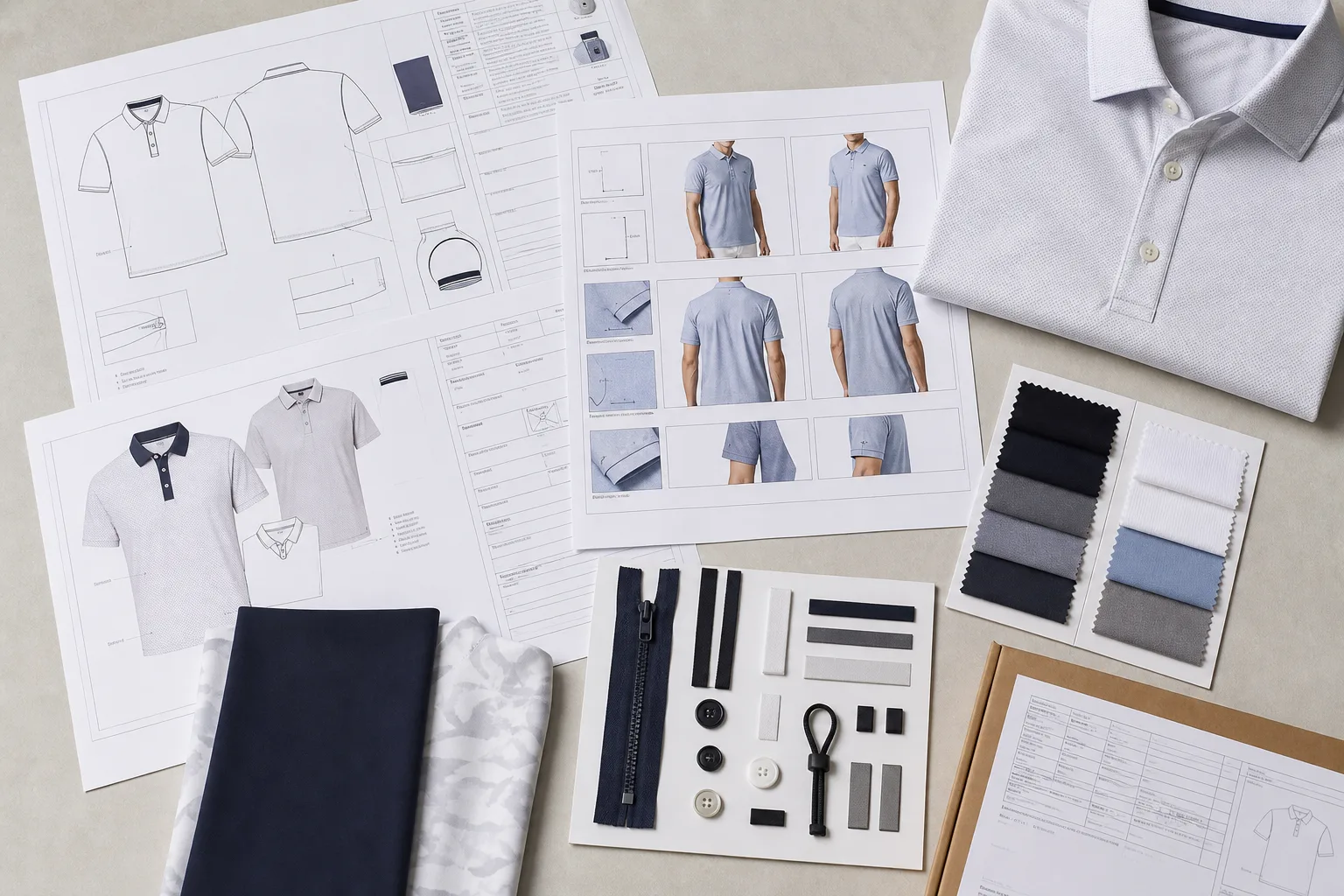
Choosing between OEM and ODM golf apparel changes how much design control you keep, how quickly you can move into sampling, and what information you need to prepare before production. For golf apparel brands, clubs, retailers, and sourcing teams, the right model depends on your product originality, development resources, and launch schedule. Ninghow Golf supports both custom-development and ready-to-adapt golf apparel programs, from requirement review and sample development to bulk production and shipment coordination. If you are comparing which route fits your collection, start with your product brief and target market rather than assuming one model suits every order.

OEM/ODM RouteCompare OEM vs ODM golf apparel for private label, custom design, development input, sampling control, and launch speed.

Product Programs

Both models can be used for golf polos, jackets, outerwear, bottoms, and layered products, but the buyer role is different.

Buyer Types

OEM is usually the better route when the garment itself is part of your brand value.

Development Support

ODM works well when the priority is to launch an acceptable golf apparel line without building every product from zero.

Quality Checks

The real decision is rarely about one model being better overall.

Fast Comparison

OEM and ODM differ most in design ownership, development input, and launch speed

Both models can be used for golf polos, jackets, outerwear, bottoms, and layered products, but the buyer role is different in each case.

Comparison Point OEM Golf Apparel ODM Golf Apparel
Starting point Buyer provides original product direction, tech pack, reference garment, or detailed specifications Buyer selects from supplier-developed styles and requests brand, color, fit, or trim adjustments
Design control Higher control over silhouette, measurements, fabric selection, branding, and construction details More limited control, usually focused on adapting an existing style base
Development workload Higher buyer input during pattern review, material approval, and sample revision Lower development burden when the base style already fits the program
Sampling path Often requires more clarification and revision before pre-production approval Can move faster if changes are simple and suitable materials are available
Product differentiation Better fit for brands building a distinct line or performance story Better fit for buyers who need efficient market entry with moderate customization
Commercial use Private label collections, signature fits, brand-specific product architecture Clubwear, event apparel, retailer programs, and fast assortment expansion
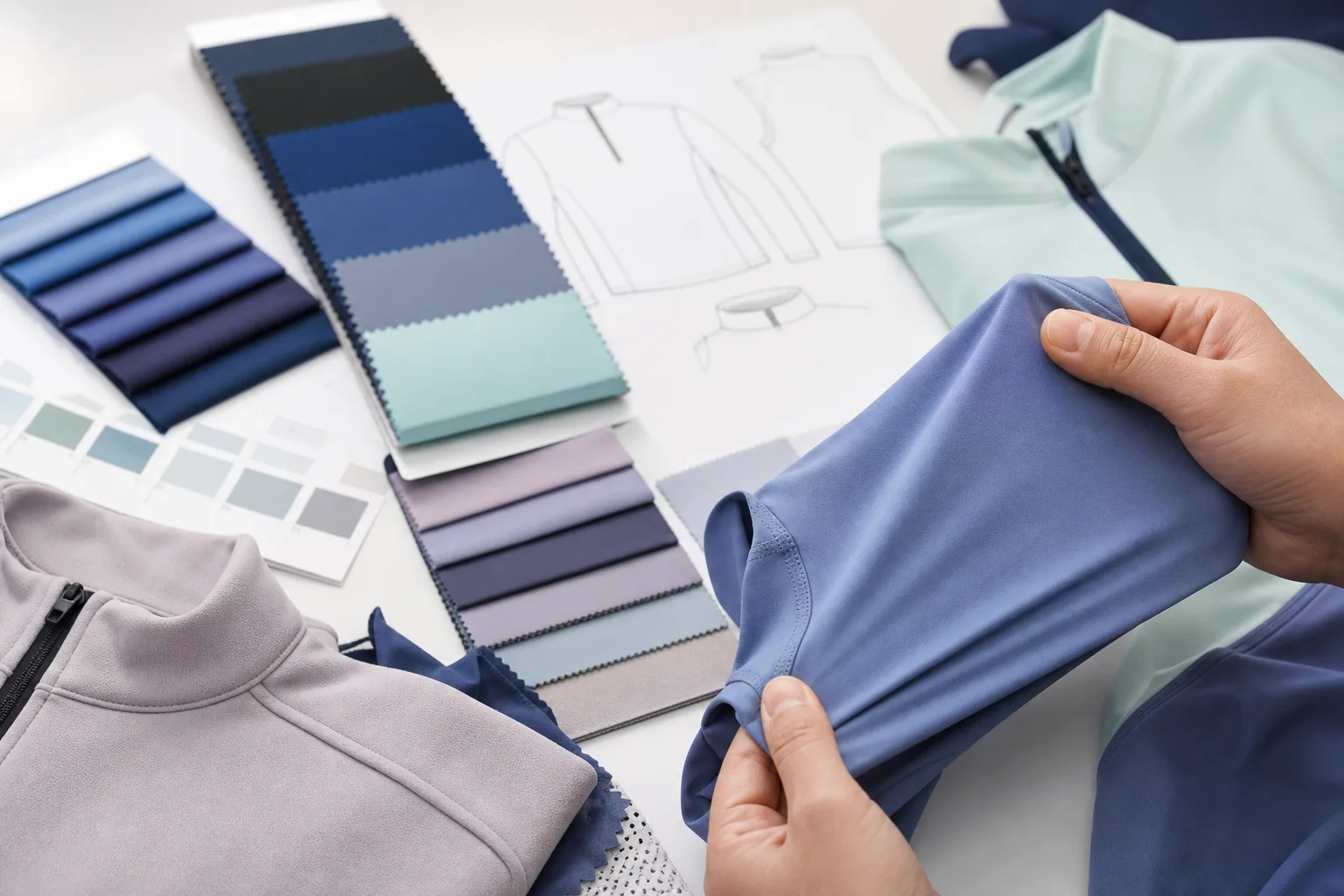
Fabric and fit review for golf clothing manufacturing buyers
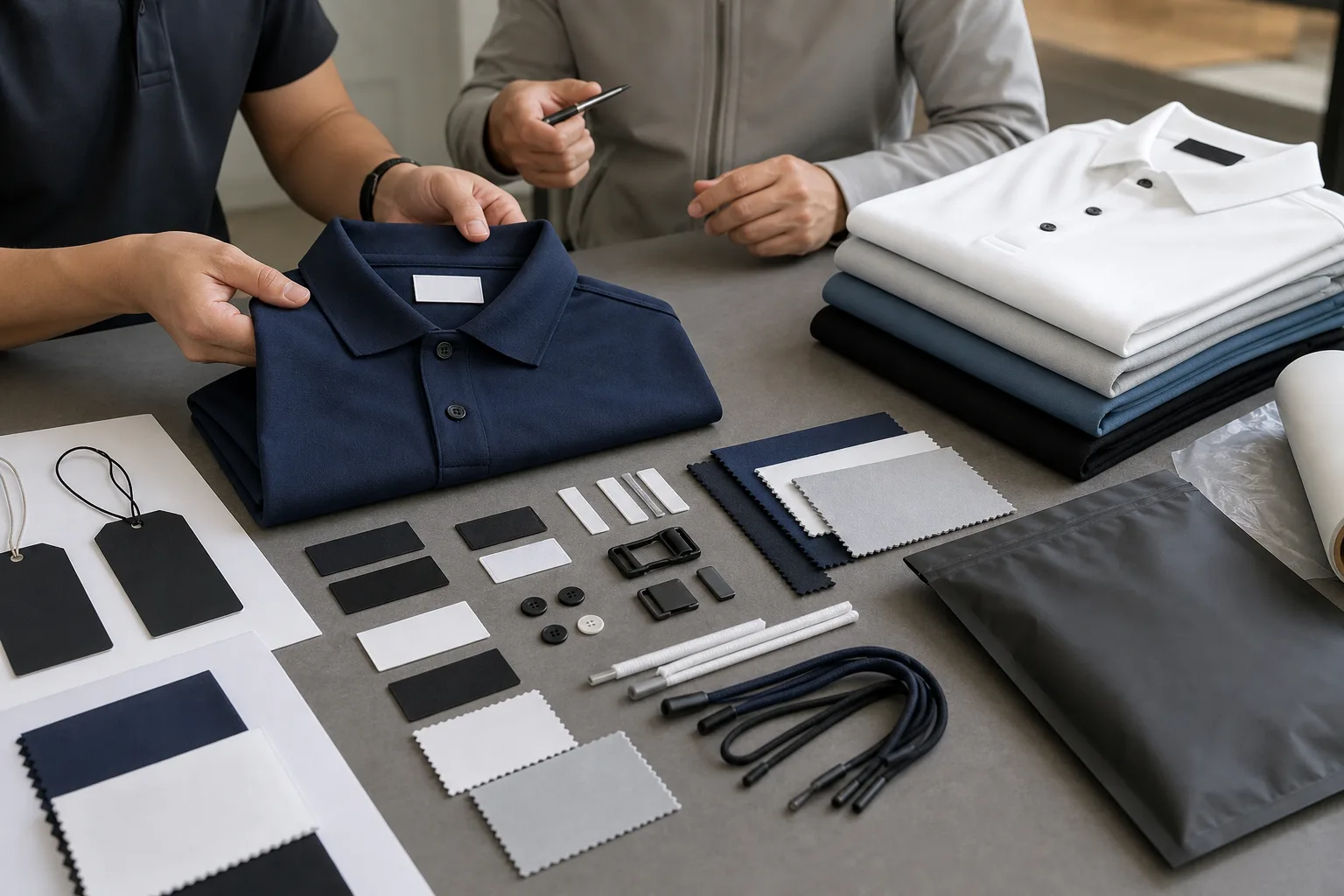
Private label branding preparation for golf clothing manufacturing buyers
OEM Decision

Choose OEM when the golf apparel concept needs your own specifications

OEM is usually the better route when the garment itself is part of your brand value. This applies when you want a specific collar shape on polos, a distinct pocket layout on bottoms, a particular stretch-and-handfeel target, or a custom layering concept that does not start from a standard style block.

OEM programs usually involve buyer-supplied product details such as measurement charts, construction notes, approved artwork, fabric targets, trim requirements, and packaging direction. If you already have a tech pack, reference garment, or clear fitting standard, OEM gives more room to build around those inputs.

For teams preparing original product specifications, Ninghow Golf can support earlier-stage development through golf apparel product development, tech pack support, and pattern making.

ODM Decision

Choose ODM when speed and simpler development matter more than full originality

ODM works well when the priority is to launch an acceptable golf apparel line without building every product from zero. A buyer may start from an existing polo, jacket, vest, or quarter-zip structure, then adjust colorways, logo placement, label set, packaging, or selected fit details to match the program.

This route often suits golf clubs, tournament organizers, promotional buyers, newer labels, and retailers that want brand-ready merchandise without a long product engineering cycle. It can also help test a category before investing in a broader OEM collection.

ODM does not mean no customization. It usually means customization within the limits of an approved base style, material availability, and production practicality. Private label additions may still include private label golf clothing, custom trims and labels, and custom packaging.

Flat lay of golf apparel quote materials with swatches, tech pack pages, and labels
Buyer Tradeoffs

What buyers trade between OEM and ODM

The real decision is rarely about one model being better overall. It is about which tradeoff is acceptable for the current project.

OEM usually gives more control, but asks for more decisions

You may need to confirm fabric behavior, trim compatibility, measurement tolerances, construction details, and brand presentation earlier in the process. If internal approvals are slow, the extra control may not translate into a faster launch.

ODM usually simplifies launch, but narrows style freedom

You gain speed by reducing the number of unknowns, yet some design ambitions may need to be dropped or postponed. Buyers should be realistic about which details are essential and which can follow in later versions.

Hybrid programs are common

Many golf apparel programs use ODM for early core styles and OEM for signature items. For example, a buyer may launch standard polos and outerwear through an adaptable style base, while developing a custom fit block for premium products in parallel.

Cost Timing

Cost and timing usually move with complexity, not with labels alone

Buyers often assume ODM is always cheaper and OEM is always slower. In practice, cost and timing depend on the actual garment, fabric sourcing, color count, artwork approval, sample revisions, packaging requirements, and order quantity.

A straightforward OEM style with clear files can move efficiently. A heavily modified ODM style can also become complex if the requested changes affect fit, material substitutions, or decoration methods. Standard sample development is often planned around approximately 5 to 7 days, while more complex samples may take around 7 to 10 days, but actual timing remains conditional. Bulk production planning commonly falls around 20 to 35 days after approvals, depending on order specifics and scheduling.

Buyers comparing commercial impact should also review the broader factors in the custom golf apparel cost guide and the process checkpoints on sampling and production lead times.

Fabric and fit review for golf clothing manufacturing buyers
Private label branding preparation for golf clothing manufacturing buyers
Best Fit by Buyer

Which route fits common golf apparel buying situations

  • Private label golf brand: OEM is usually stronger when fit identity, fabric story, and collection consistency matter.
  • Startup label testing a category: ODM can reduce early development pressure while the market response is still being validated.
  • Golf club or country club merchandise: ODM often works for efficient branded apparel programs with controlled customization.
  • Retail replenishment program: Either route may fit, depending on whether the assortment is based on repeatable approved styles or newly specified products.
  • Tournament or promotional order: ODM is often easier when the focus is timely branded delivery around an event calendar.

Application-specific requirements may also affect the decision. Buyers with club or event programs can compare those needs on golf club apparel and tournament apparel.

Quote Checklist

What to send when requesting an OEM or ODM golf apparel quote

To compare options efficiently, send only the information that actually changes the commercial and development path:

  • Product category, such as polo, jacket, vest, or bottoms
  • OEM or ODM preference, or note that you need guidance
  • Reference garment, inspiration image, tech pack, or preferred base style
  • Target fabric type and required performance features
  • Estimated quantity by color and size range
  • Logo method, private label needs, and packaging expectations
  • Required delivery window and destination market

This lets the team judge whether the project should begin with style selection, material sourcing, pattern work, or direct sample planning.

Flat lay of golf apparel quote materials with swatches, tech pack pages, and labels
Common Questions

Answers buyers usually need before starting

Keep the project conversation practical with clear expectations around sampling, production and quotation inputs.

How do I know if my golf apparel project should start as OEM instead of ODM?

OEM is usually more suitable when you already have a clear fit concept, fabric target, construction direction, or branding standard that needs to be built into the garment itself. If your main priority is using an existing style base with moderate adjustments, ODM may be more practical.

Can an ODM golf apparel style still be private labeled?

Yes. An ODM program can still include private labels, hangtags, packaging changes, logo application, and selected color or trim adjustments. The difference is that the garment usually starts from an existing style foundation rather than a fully new specification.

Does OEM always take longer than ODM for golf apparel sampling?

Not always. OEM can take longer when the product requires more pattern work, sourcing decisions, or sample revisions. However, a clear OEM brief may move efficiently, while an ODM request can also slow down if the buyer asks for major structural changes to the base style.

What kind of files should I prepare for an OEM golf apparel quote?

Useful OEM files include a tech pack, measurement chart, construction notes, logo artwork, fabric references, and packaging requirements. If some of these are missing, a buyer can still begin with a reference garment or visual concept and discuss the development path.

Is ODM a better choice for golf clubs and tournament apparel programs?

It often is, especially when the project needs brand-ready products within a narrower timeline and does not require a fully original garment block. The final choice still depends on styling changes, quantities, decoration, and approval timing.

What affects MOQ when comparing OEM and ODM golf apparel?

MOQ is not fixed and may depend on the product type, fabric selection, colors, size range, decoration method, packaging, production setup, and how the order is split across styles. OEM and ODM can have different MOQ implications depending on how much customization is involved.
Start a Project

Build your next golf clothing program with a clearer production path.

Share product type, quantity, fabric direction, branding requirements and target timing so Ninghow Golf can suggest the most practical next step.

Scroll to Top