Manufacturing Capability Page

Cut-and-Sew Manufacturing for Custom Golf Apparel

Ninghow Golf supports cut-and-sew manufacturing for golf apparel programs that need controlled garment construction, brand customization, and repeatable bulk production. This production stage turns approved fabrics, patterns, trims, and artwork into finished polos, outerwear, bottoms, layers, and uniforms. It suits golf apparel brands, private label programs, clubs, tournament buyers, and sourcing teams that need clear visibility on how panels are cut, assembled, checked, and prepared for shipment before production is confirmed.

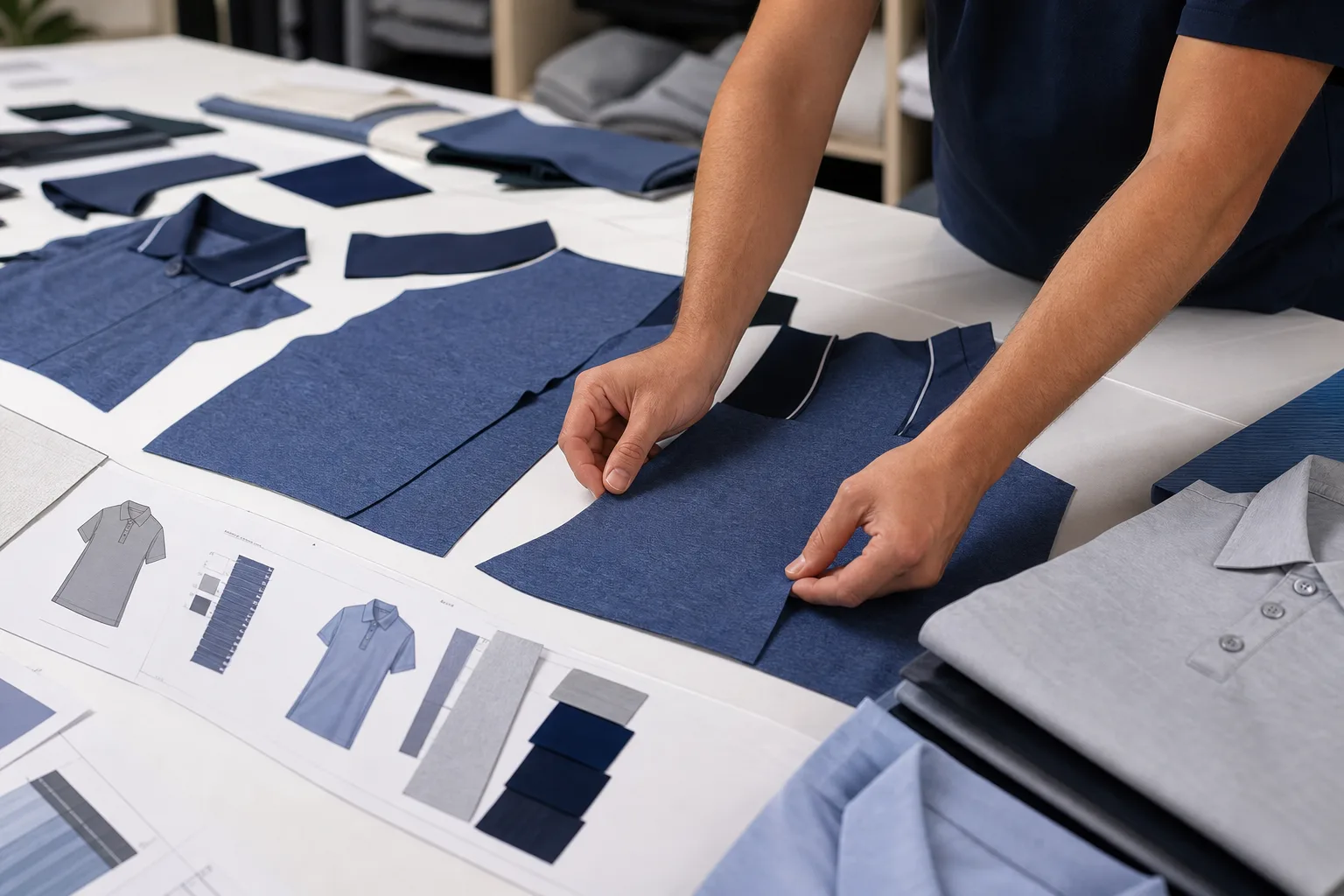
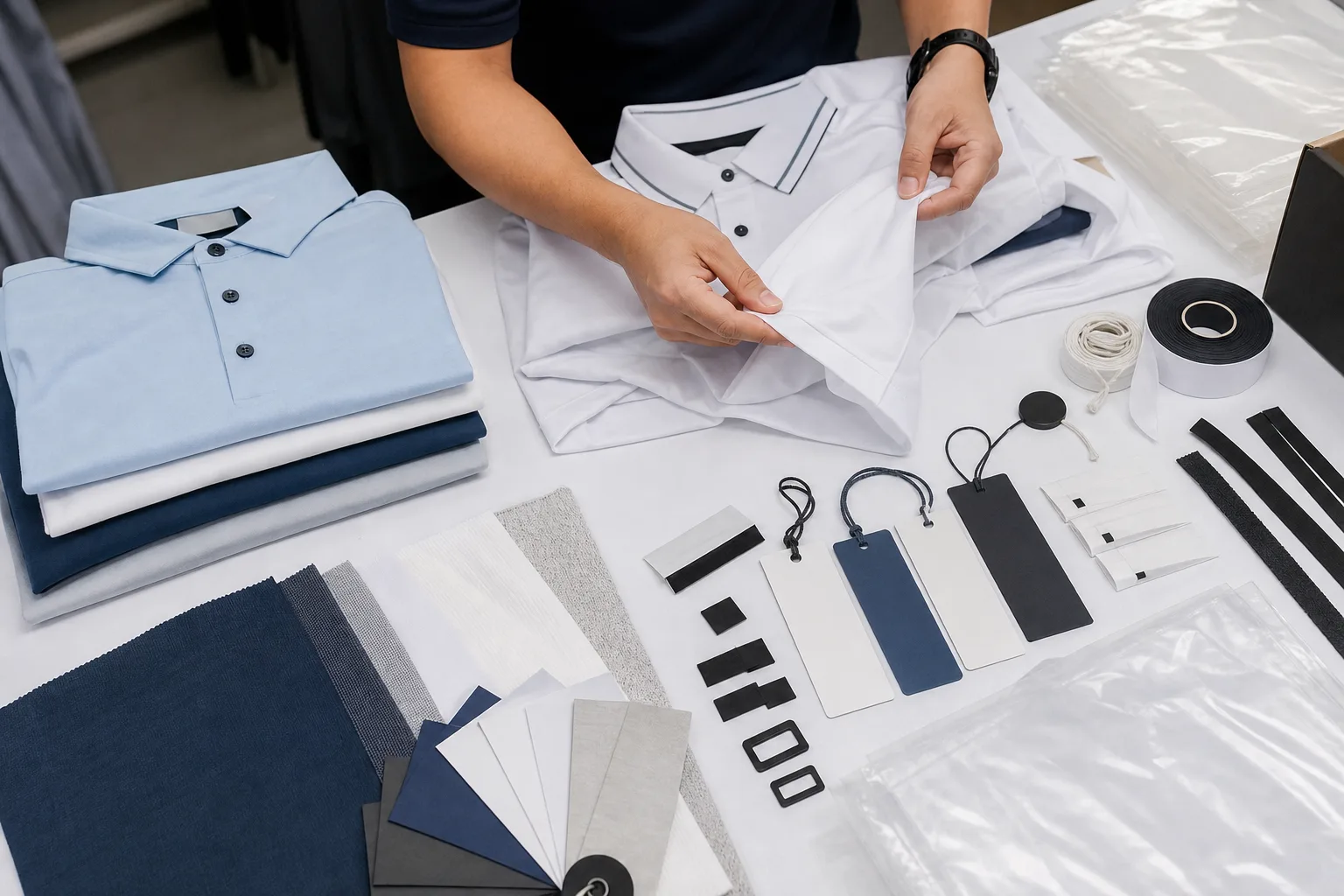
Cut and sew golf apparel panels arranged for production review
cut and sewconfirm Ninghow Golf cut-and-sew manufacturing for custom golf apparel, including construction control points, approvals,.

Execution Control

Cut-and-sew manufacturing is the core garment assembly stage after product development and pre-production approvals are.

Product Programs

Golf garments often combine performance requirements with retail presentation, so cut-and-sew control needs to match the.

Development Support

Bulk cut-and-sew production should begin only after the buyer confirms the right reference points.

Buyer Types

Most cut-and-sew issues do not start at final inspection.

What This Capability Covers

What Cut-and-Sew Manufacturing Covers

Cut-and-sew manufacturing is the core garment assembly stage after product development and pre-production approvals are completed. It covers marker planning, fabric cutting, panel bundling, sewing line setup, in-line inspection, trimming, finishing, packing, and order follow-up.

For golf apparel, this matters because performance fabrics, stretch recovery, logo placement, and fit consistency all depend on how each operation is controlled during production. A well-managed cut-and-sew process helps reduce issues such as collar distortion, uneven plackets, seam puckering, twisted side seams, mismatched panels, and inconsistent measurements.

Buyers that are still finalizing pattern files or sample details should usually align those items first through pattern making support and pre-production approval before bulk cutting starts.

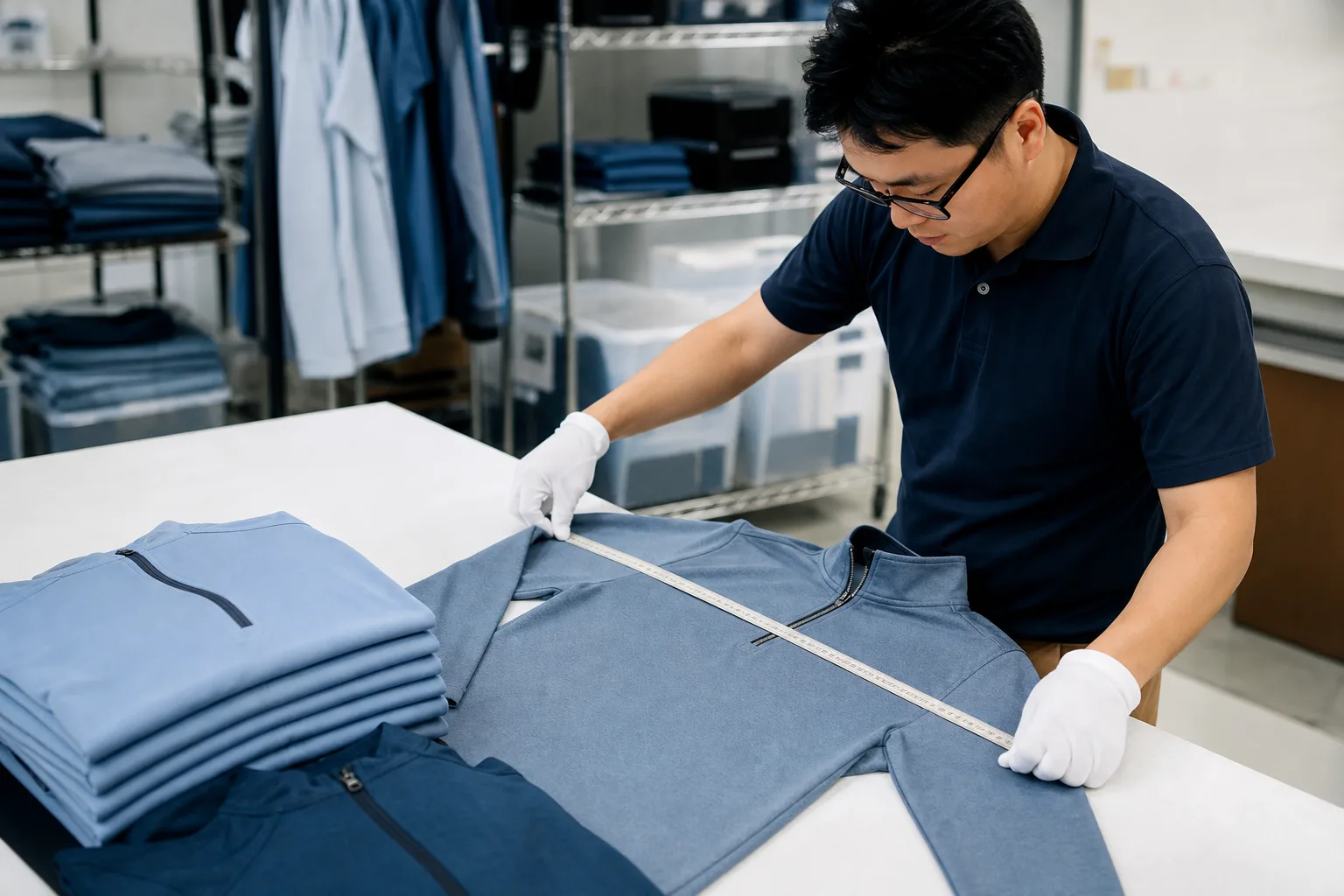
Apparel technician checking measurements during golf garment inspection
Golf Apparel Construction Focus

Construction Points That Matter for Golf Apparel

Golf garments often combine performance requirements with retail presentation, so cut-and-sew control needs to match the product type.

Polos and lightweight tops

  • Collar shape stability after sewing and pressing
  • Placket alignment and button spacing
  • Sleeve opening balance and armhole smoothness
  • Clean logo position against stripe, seam, or chest panel layouts

Quarter-zips, jackets, and outerwear

  • Zipper alignment through collar, body, and hem
  • Shoulder and underarm movement allowance
  • Pocket symmetry and closure accuracy
  • Lining, facing, and panel matching where applicable

Pants, shorts, skorts, and dresses

  • Waistband consistency and rise balance
  • Inseam and outseam measurement control
  • Pocket opening position and reinforcement
  • Panel balance for movement and on-course comfort

These checks are usually reviewed against the approved sample, measurement standards, and construction comments before and during production.

From Approved Sample to Bulk Cutting

How Production Moves From Approval to Bulk Cutting

Bulk cut-and-sew production should begin only after the buyer confirms the right reference points. That normally includes the approved sample, final measurement chart, fabric and trim confirmation, decoration placement, label details, packaging direction, and any special workmanship notes.

Ninghow Golf coordinates development and production support through Shenzhen for product communication and sampling coordination, while garment production and order follow-up are supported through its manufacturing setup. For larger programs, production planning may also involve scalable support for bulk orders. Timing remains conditional and depends on design complexity, fabric availability, quantity, colorways, revision history, and scheduling.

If you need a broader view of timing between development and bulk, see sample-to-bulk process and sampling and production lead times.

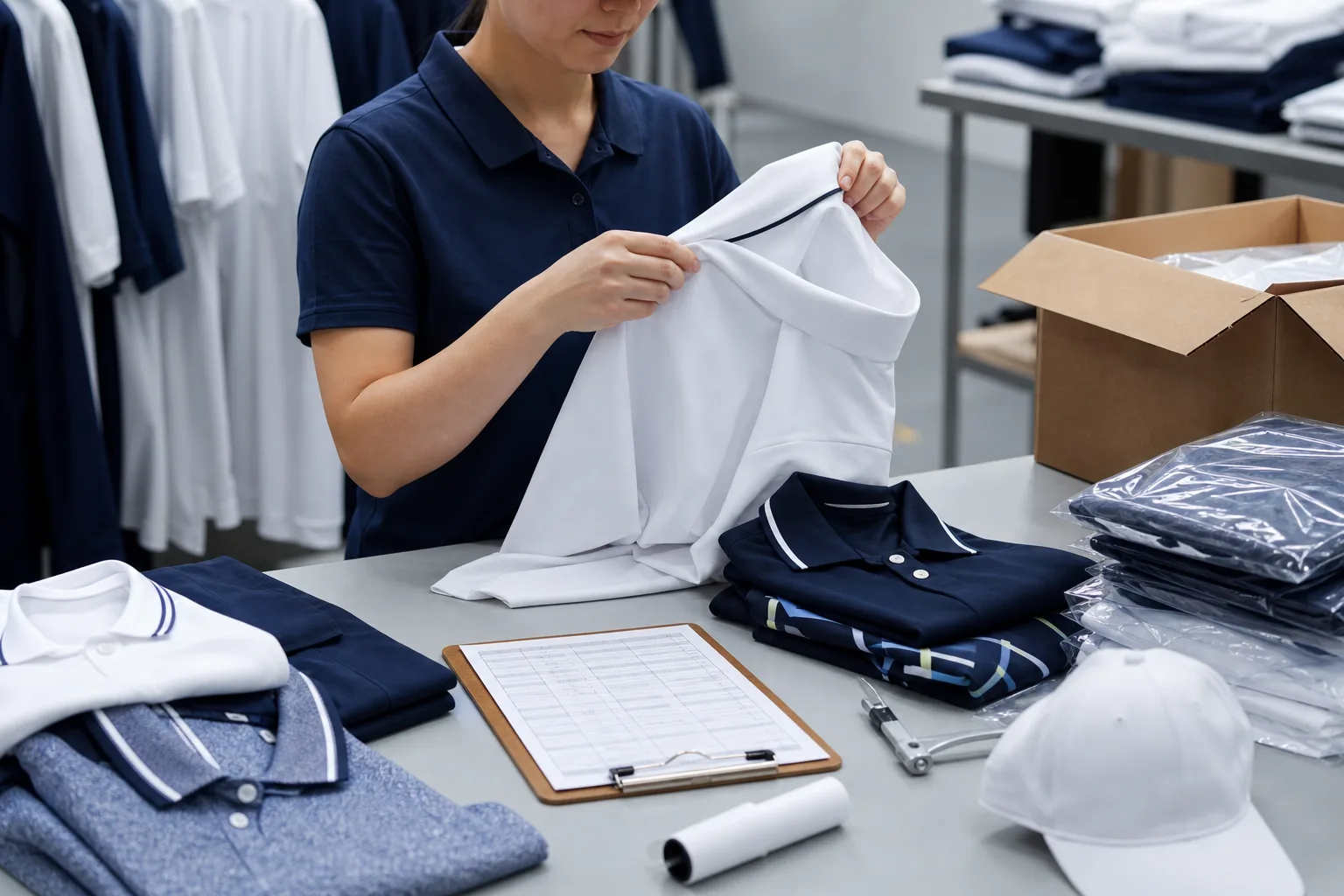
Quality control and packing for golf clothing manufacturing buyers
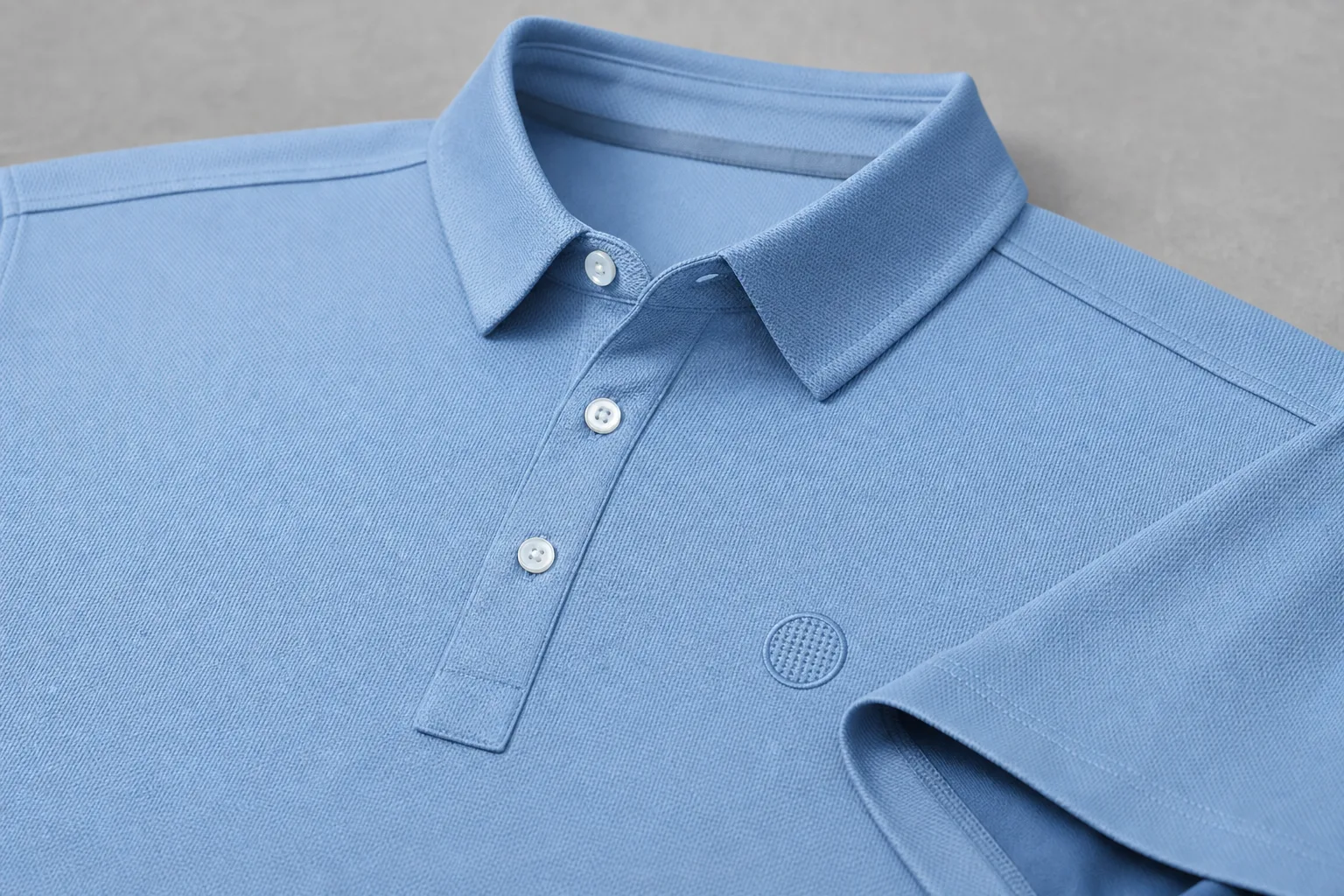
Golf polo construction details with collar placket and sleeve finish
Risk Control During Sewing

Where Buyers Usually Want More Production Control

Most cut-and-sew issues do not start at final inspection. They usually start when one approval point is unclear before line setup. Buyers often request extra control in these areas:

  • Measurement tolerance control: size sets, grading comments, and critical points such as chest, body length, inseam, or sleeve length need to match the approved spec.
  • Fabric behavior: stretch fabrics, lightweight knits, brushed surfaces, and coated materials may react differently during cutting, sewing, pressing, or finishing.
  • Panel matching: contrast inserts, color blocking, stripes, and directional fabrics need cutting accuracy to avoid visual imbalance.
  • Decoration compatibility: embroidery, heat transfer, screen print, woven labels, and hangtags should be planned around garment construction order.
  • Packing consistency: folding method, size stickers, barcode needs, and assortment rules can affect finishing flow and shipment readiness.

Where branding is a key part of the order, buyers may also coordinate related details through custom trims and labels or compare decoration methods through apparel printing and golf apparel embroidery.

Quality Checks at the Cut-and-Sew Stage

Quality Checks Used During Cut-and-Sew Production

Cut-and-sew manufacturing benefits from process checks rather than relying on end-of-line review alone. The focus is to identify issues while the order is still in production.

  • Fabric checking before cutting when required
  • Cut panel review for shade, direction, and visible defects
  • In-line sewing inspection for seam quality, shape, and workmanship
  • Size measurement checks at planned intervals
  • Color checking between fabric lots, panels, and trims when needed
  • Finishing and packaging review before final inspection

Additional inspection support may be arranged depending on the order, including third-party inspection or AQL-based inspection support when required. Buyers reviewing full inspection flow can also visit quality control process.

Apparel technician checking measurements during golf garment inspection
Private label branding preparation for golf clothing manufacturing buyers
Information Needed for Quotation

What to Prepare for a Cut-and-Sew Quote

A useful cut-and-sew quotation depends on production detail, not only garment type. Sending the right inputs early helps reduce estimate revisions and sampling delays.

  • Garment category and style count, such as polos, jackets, bottoms, or mixed uniform sets
  • Tech pack, spec sheet, or buyer-supplied reference garment
  • Target fabric type, weight, stretch requirement, and color direction
  • Expected size range and quantity per style or colorway
  • Logo method, label package, trims, and packaging requirements
  • Required delivery window and destination market

If your files are ready, you can upload your tech pack. If you are still defining the collection, a quote request with product photos, construction references, or measurement goals is usually enough to begin the discussion.

When This Service Is the Right Fit

When Cut-and-Sew Manufacturing Is the Right Fit

This capability is a strong fit when your program needs more than stock blank garments with simple logo decoration. It is especially relevant for buyers that need custom pattern shapes, panel construction, private label presentation, fabric selection control, or brand-specific fit standards.

Production Need Why Cut-and-Sew Fits
Custom golf polo collection Allows brand-specific fit, placket details, collar construction, and fabric selection
Club or academy uniform range Supports coordinated tops, outerwear, and bottoms across a size run
Private label launch Combines garment construction with labels, trims, packaging, and repeat-order planning
Multi-style seasonal order Helps manage style-by-style approvals and production control before shipment

Buyers comparing full factory support can also review golf apparel factory for a broader manufacturing overview.

Quality control and packing for golf clothing manufacturing buyers
Golf polo construction details with collar placket and sleeve finish
Next Step

Discuss Your Production Setup Before Bulk Starts

If your team is planning a golf apparel order with custom construction, now is the right time to confirm specs, materials, approvals, and bulk requirements before cutting begins. Early review can help avoid preventable revisions during production.

Request a quote

Request an OEM / ODM consultation

Common Questions

Answers buyers usually need before starting

Keep the project conversation practical with clear expectations around sampling, production and quotation inputs.

What is the difference between cut-and-sew manufacturing and decorating blank garments?

Cut-and-sew manufacturing builds the garment from fabric panels based on approved patterns, construction details, and specifications. Decorating blank garments usually starts with a pre-made item and adds logos or trims afterward. If you need custom fit, panel layout, fabric choice, or private label details, cut-and-sew is usually the better route.

What details most often affect a cut-and-sew quotation for golf apparel?

The main factors are garment type, fabric choice, size range, quantity by style and color, construction complexity, logo method, trims, packaging, and delivery requirements. A polo with contrast panels and multiple labels is quoted differently from a basic solid-color style.

Can cut-and-sew production support mixed golf apparel programs instead of one single style?

Yes, mixed programs such as polos, jackets, shorts, and team uniforms can be planned together. The final setup depends on style complexity, material sourcing, order structure, and production scheduling, so grouping styles early helps review feasibility and timing.

What can delay the start of bulk cutting after a sample is approved?

Common causes include pending fabric confirmation, unresolved measurement comments, artwork changes, trim availability, color approval, packaging updates, or incomplete pre-production details. Bulk should start only when the approved reference and production instructions are aligned.

How do buyers reduce risk during cut-and-sew manufacturing?

The most practical approach is to provide a clear tech pack or reference garment, confirm critical measurements, lock decoration placement, approve labels and packaging, and review any high-risk construction points before bulk production. Process inspections during sewing also help catch issues earlier than final inspection.

Start a Project

Build your next golf clothing program with a clearer production path.

Share product type, quantity, fabric direction, branding requirements and target timing so Ninghow Golf can suggest the most practical next step.

Scroll to Top