Quality / Certification Page

Fabric & Performance Testing

Fabric performance testing helps buyers confirm that a golf apparel program is built on suitable material choices before bulk production begins. Ninghow Golf supports fabric review for polos, layers, outerwear, bottoms, and coordinated collections where comfort, appearance, and repeatability matter. This stage is especially useful for golf apparel brands, private label programs, clubs, teams, and sourcing companies that need clearer decisions on fabric behavior, decoration compatibility, and approval risk before committing to production.

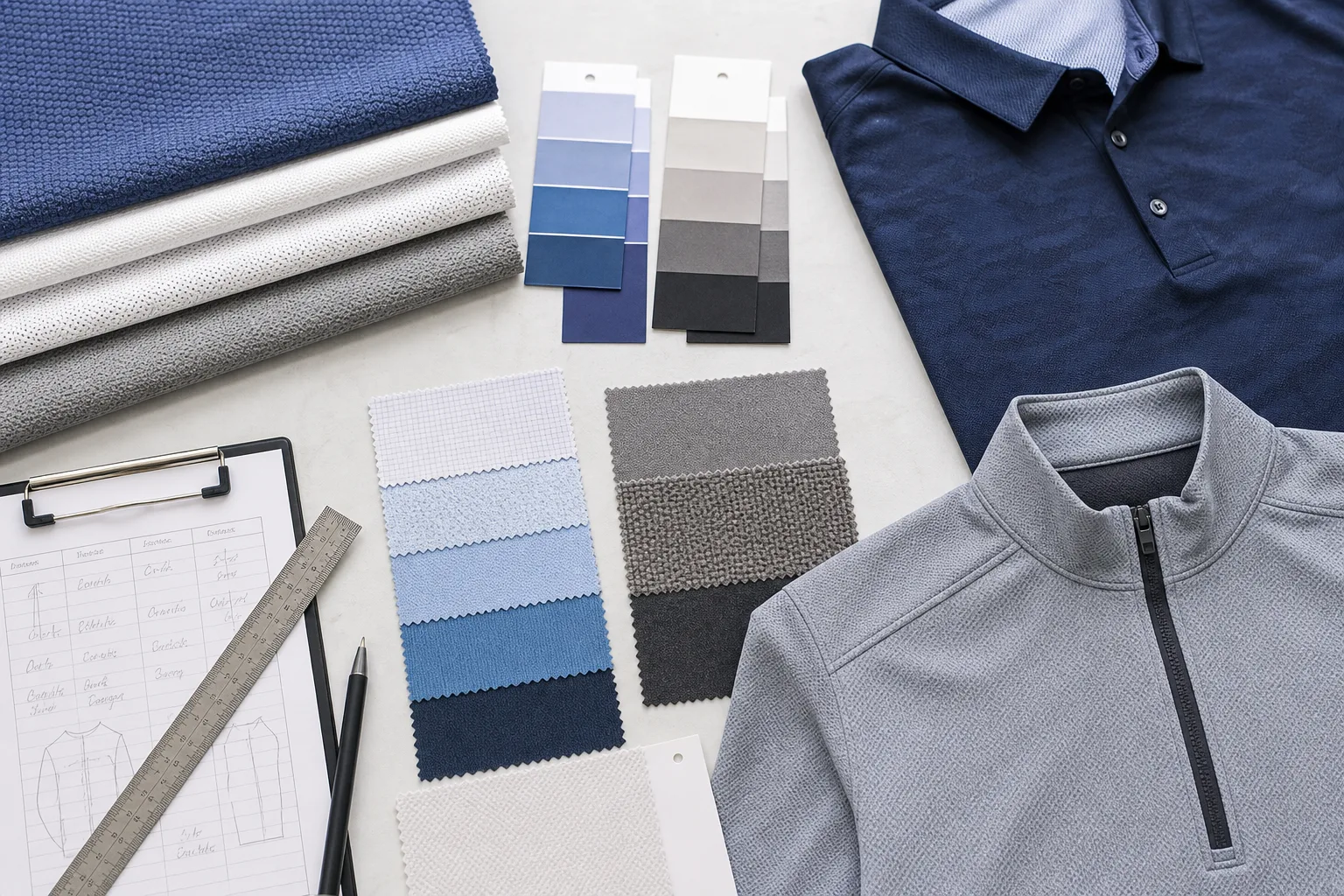
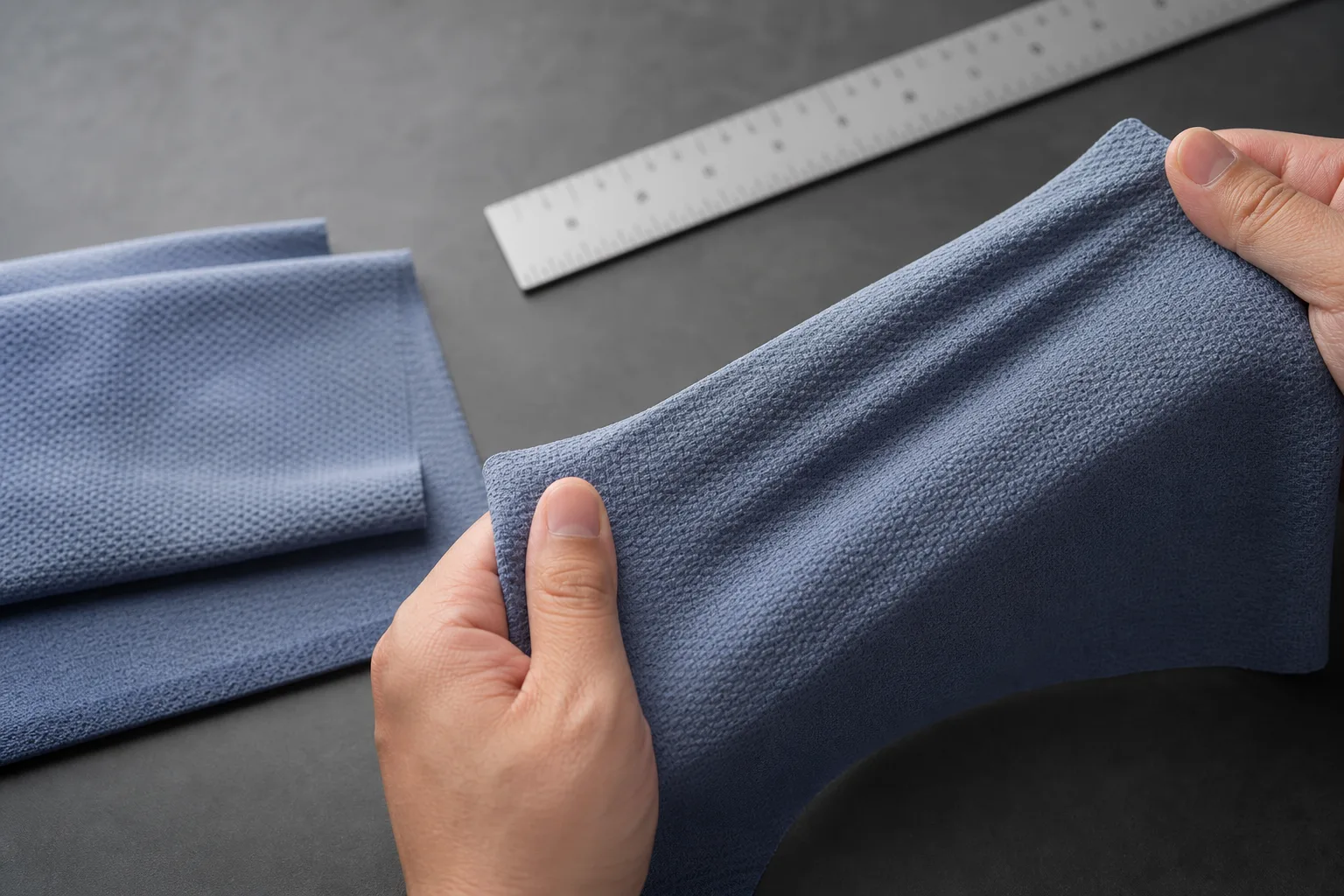
Golf apparel fabric swatches and testing materials on a review table
Fabric Choiceconfirm fabric performance testing support for custom golf apparel, including color, shrinkage, stretch, and approval.

Product Programs

Golf garments are exposed to repeated washing, body movement, decoration processes, climate changes, and frequent wear.

Quality Checks

Different golf categories call for different testing priorities.

Development Support

Testing is most useful when it leads to a concrete decision before bulk launch.

Buyer Types

Fabric and performance testing may take place at several points, depending on the program.

Why Testing Matters

Why Fabric Testing Matters in Golf Apparel Production

Golf garments are exposed to repeated washing, body movement, decoration processes, climate changes, and frequent wear. A fabric that looks acceptable in a swatch can behave differently after dyeing, printing, embroidery, washing, or panel assembly. Early testing reduces the chance of avoidable issues showing up after sample approval or during bulk production.

  • Performance validation: checks whether the fabric suits the intended garment use, such as polos, quarter-zips, rainwear, or bottoms.
  • Appearance control: helps evaluate color consistency, surface stability, and how the fabric presents after finishing.
  • Production planning: identifies material risks that may require adjustments in pattern, sewing method, decoration method, or care labeling.
  • Buyer approval support: gives sourcing teams a clearer basis for approving fabric before large-volume cutting begins.
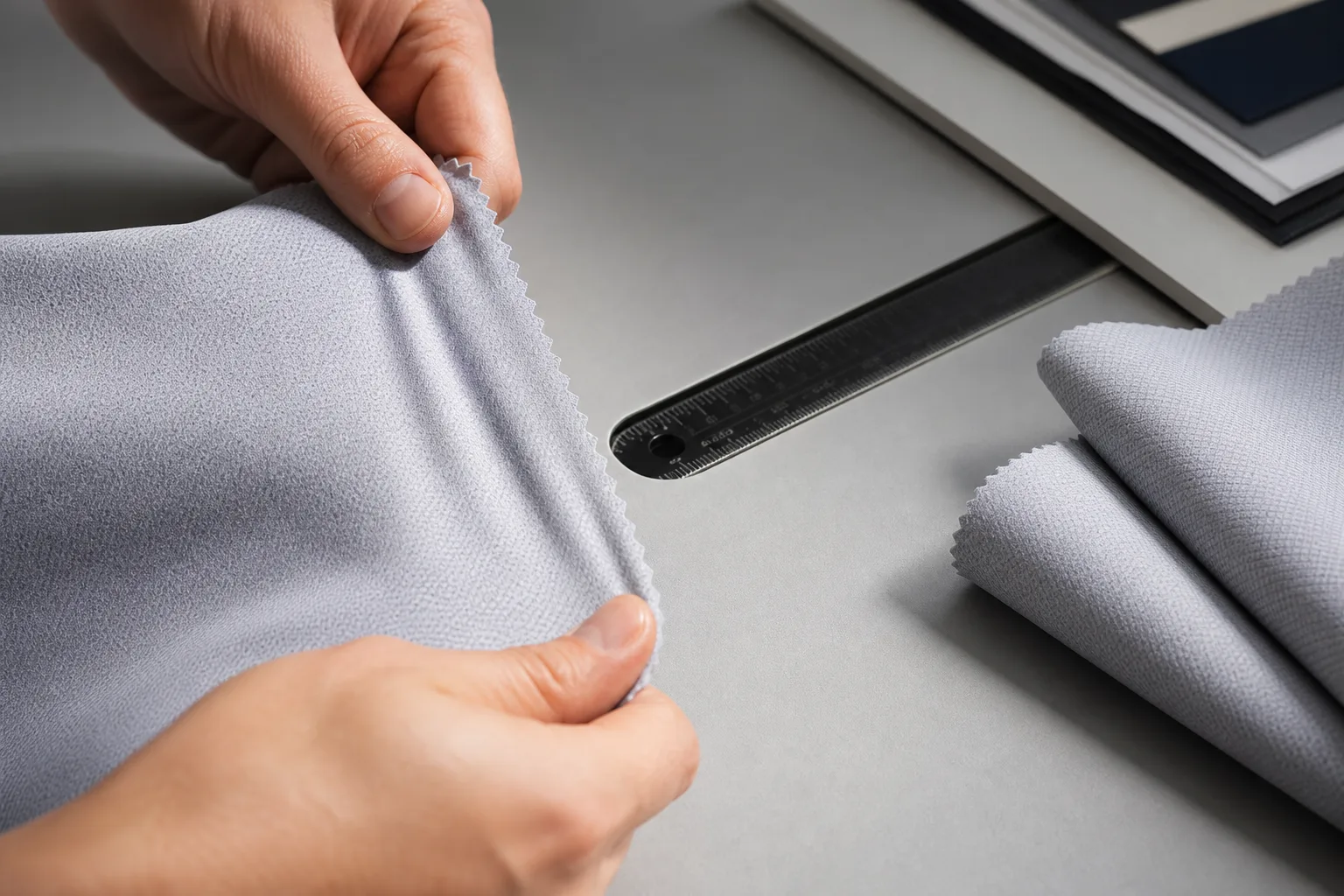
Performance golf fabric being checked for stretch and recovery
Testing by Garment Type

Testing Priorities by Golf Garment Type

Different golf categories call for different testing priorities. A useful testing plan starts with the actual garment program rather than applying the same checklist to every order.

Garment Type Typical Testing Priority Why It Matters
Golf polos and T-shirts Color stability, shrinkage, collar-related fabric behavior, print or embroidery compatibility Helps preserve fit, placket presentation, and logo appearance after wear and washing
Quarter-zips and pullovers Stretch balance, recovery, surface smoothness, zipper-area stability Supports collar shape, shoulder movement, and clean front construction
Jackets and windbreakers Layer interaction, fabric shape retention, finish compatibility, lining coordination Reduces risk of twisting, puckering, or unstable front closure areas
Pants, shorts, and skorts Dimensional stability, stretch performance, recovery, pocket-area durability Supports movement, fit consistency, and repeat wear in active use
Base layers and compression-related styles Stretch behavior, rebound, opacity, shape retention Important for close-to-body fit and consistent grading across sizes
Testing and Production Decisions

How Testing Supports Better Pre-Production Decisions

Testing is most useful when it leads to a concrete decision before bulk launch. That may mean changing the fabric, adjusting the pattern allowance, revising artwork placement, selecting a different logo method, or approving a care instruction that reflects actual material behavior.

  • Fabric approval: confirm whether the selected material is ready for sampling or bulk use.
  • Construction adjustment: adapt measurement tolerance, seam approach, or reinforcement details if needed.
  • Decoration method choice: compare embroidery, printing, or trim application against fabric sensitivity.
  • Packaging and labeling alignment: prepare care instructions and product information based on reviewed fabric behavior.

When bulk approval depends on a coordinated material and garment review, buyers may also align this step with pre-production approval.

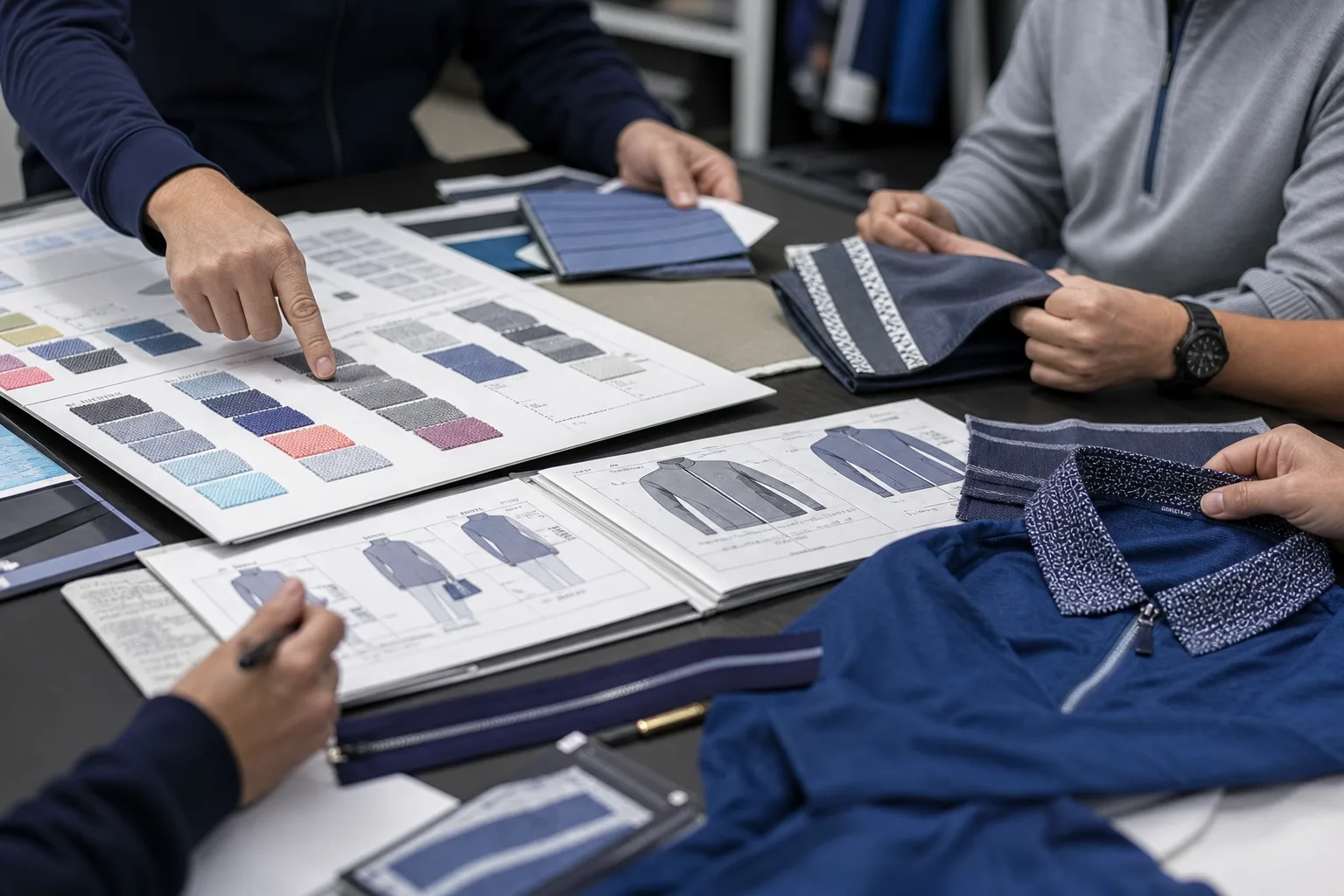
Development team reviewing golf fabric approvals before production
Performance golf fabric being checked for stretch and recovery
Development Stage Timing

When Testing Usually Happens in the Development Process

Fabric and performance testing may take place at several points, depending on the program. Some buyers review candidate fabrics before sampling. Others test after an initial prototype or before final pre-production approval. The right timing depends on design complexity, fabric availability, colorways, sample revisions, artwork approval, and shipment planning.

For new developments, Ninghow Golf can coordinate material review with sampling support from Shenzhen-based product development and merchandising teams. Standard sample development may be around 5 to 7 days, while more complex sample work may be around 7 to 10 days, but additional testing or revisions can extend planning timelines.

For a broader view of development sequence, see sample-to-bulk process and sampling and production lead times.

Buyer Inputs

What Buyers Should Prepare Before Requesting Fabric Testing Support

Clear inputs make testing discussions more useful and reduce back-and-forth during development. The most helpful request is tied to a real garment program, not only a general fabric name.

  • Planned garment type, such as polo, quarter-zip, jacket, pant, or skort
  • Intended fabric composition, weight, or supplier reference if already known
  • Expected wearing conditions, such as warm weather, layering, tournament use, or staff uniform use
  • Logo method under consideration, including embroidery, print, patch, or heat-applied detail
  • Target fit expectations and any size-sensitive concerns
  • Any buyer standard, internal checklist, or third-party test requirement that should be reviewed in advance

If you already have specifications, upload your tech pack to align testing discussion with the actual product brief.

Performance golf fabric being checked for stretch and recovery
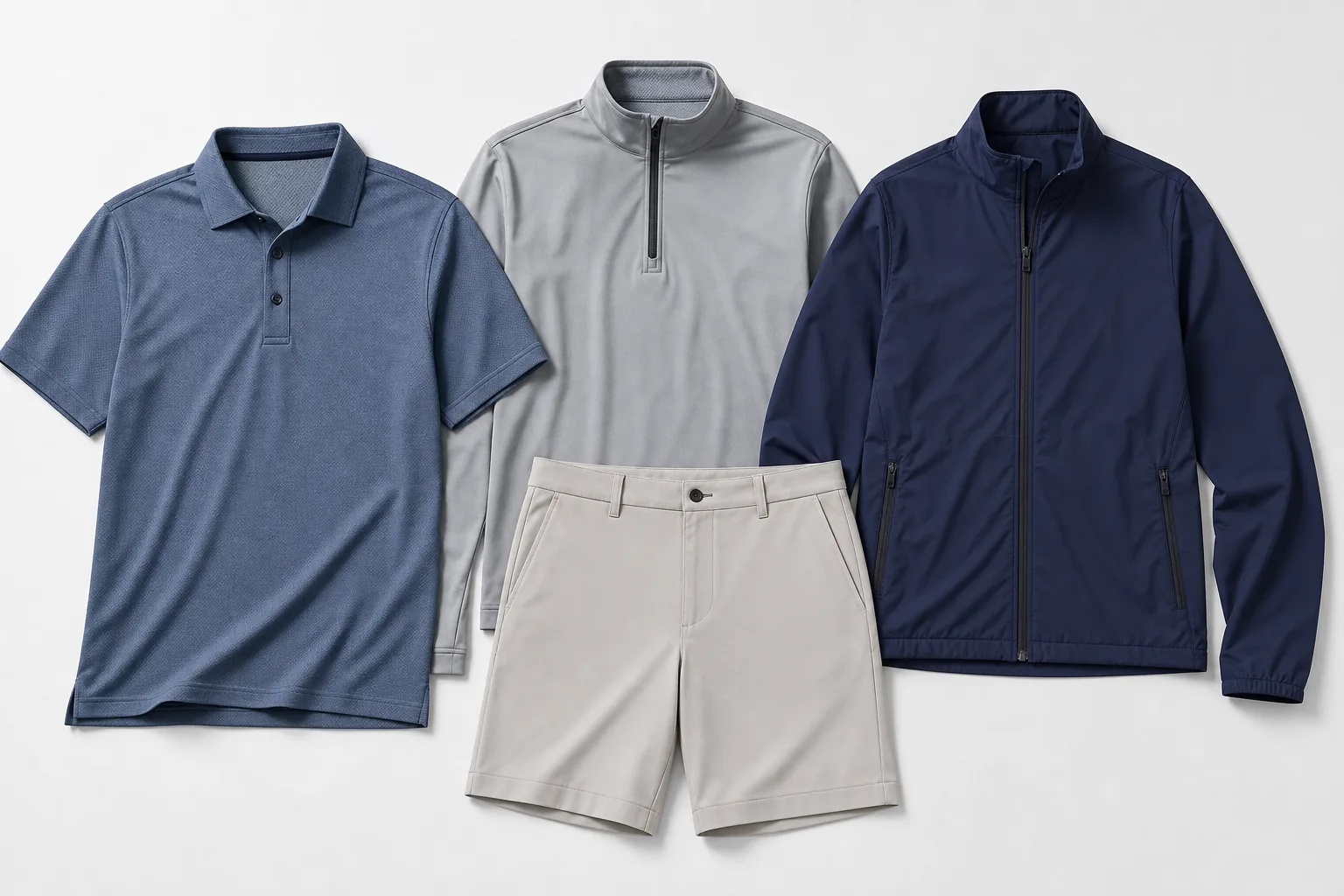
Golf apparel styles arranged for fabric and construction comparison
Third-Party and Document Review

Third-Party Testing and Document Review

Some buyers need independent verification, while others only require in-process fabric review and internal approval records. Third-party inspection or testing may be arranged when required, but it should be defined against the exact material, product, factory, and order scope under review.

Applicable certification or testing documents should be confirmed for the relevant factory, material, product, and order. Buyers should request current documents for the exact facility or product under review rather than assuming that one document applies across all programs.

Related operational controls are covered separately on the quality control process page, while broader document topics are summarized under certifications and compliance.

Common Questions

Answers buyers usually need before starting

Keep the project conversation practical with clear expectations around sampling, production and quotation inputs.

What types of fabric issues are usually reviewed for golf apparel?

Common review points include color consistency, shrinkage tendency, stretch and recovery, hand feel, weight consistency, surface appearance, and how the fabric may behave with printing, embroidery, or garment finishing. The exact scope depends on the garment type and intended use.

Should fabric testing happen before sampling or after a prototype is made?

Either approach can be appropriate. Early fabric review helps narrow material choices before sample development, while post-prototype testing can confirm how the chosen fabric performs in actual garment construction. The right timing depends on design complexity, fabric availability, and approval risk.

Can third-party testing be arranged for a custom golf apparel order?

Yes, third-party testing may be arranged when required. The testing scope, timing, sample basis, and document requirements should be confirmed for the exact fabric, product, factory, and order under review.

What information should we send when asking about fabric performance testing?

It is best to provide the garment type, intended fabric or reference swatch, expected use conditions, planned logo method, target fit concerns, and any buyer standard or test requirement that should be considered before sampling or bulk approval.

Does passing an internal fabric review mean every future lot will behave identically?

No. Fabric behavior can still vary based on supplier lot, dyeing, finishing, colorway, garment construction, and production conditions. That is why buyers often combine early fabric review with pre-production approval and in-process quality checks.
Start a Project

Build your next golf clothing program with a clearer production path.

Share product type, quantity, fabric direction, branding requirements and target timing so Ninghow Golf can suggest the most practical next step.

Scroll to Top