OEM / ODM Service Page

Prototype & Sampling

Prototype sampling helps golf apparel buyers confirm fit, construction, fabric behavior, branding placement, and collection consistency before bulk production begins. Ninghow Golf supports sample development for brands, clubs, teams, retailers, and private label programs that need practical pre-production confirmation. Share your tech pack, reference garment, artwork, target fabric, and quantity plan so the sample stage can move with fewer revisions and clearer approval points.

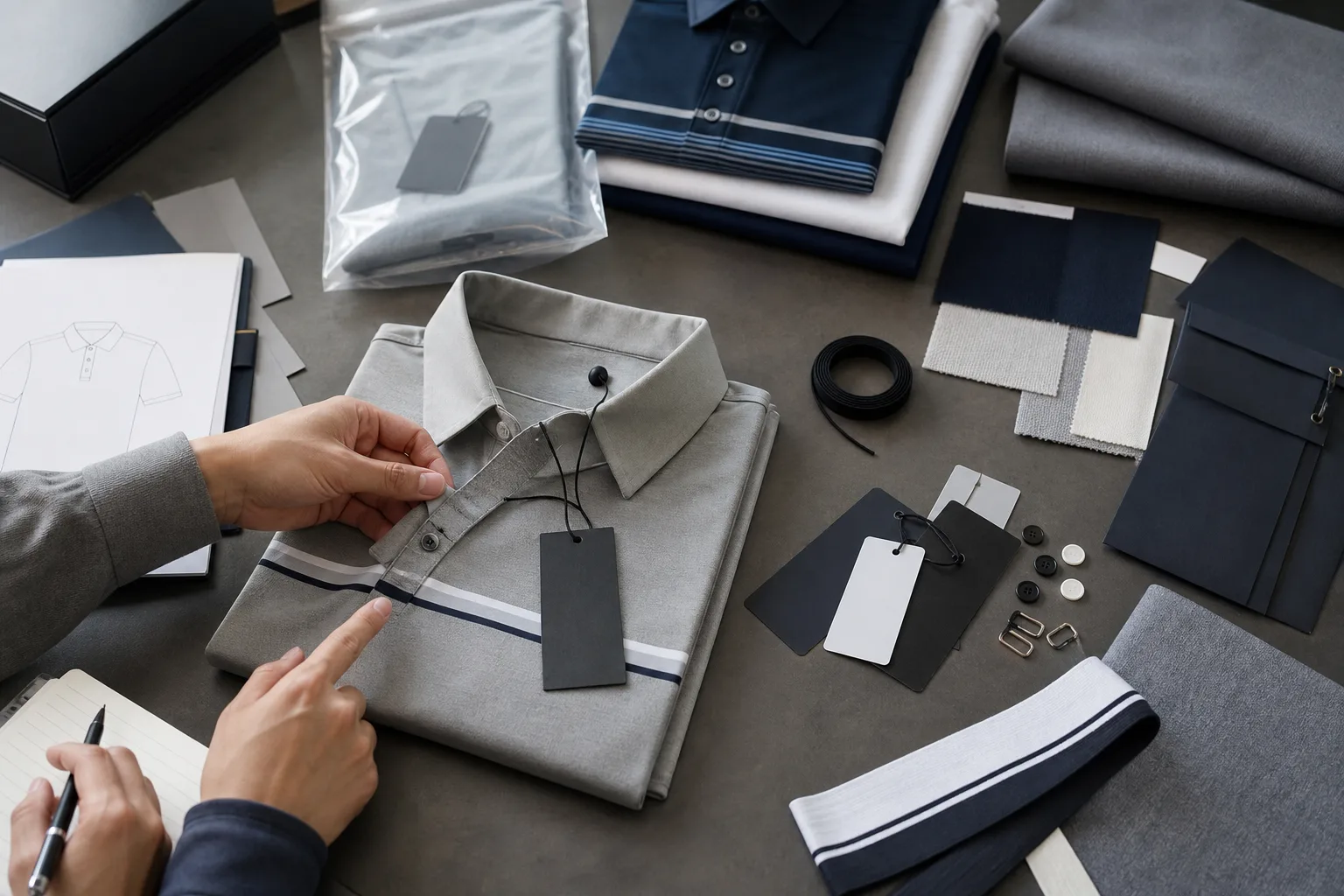
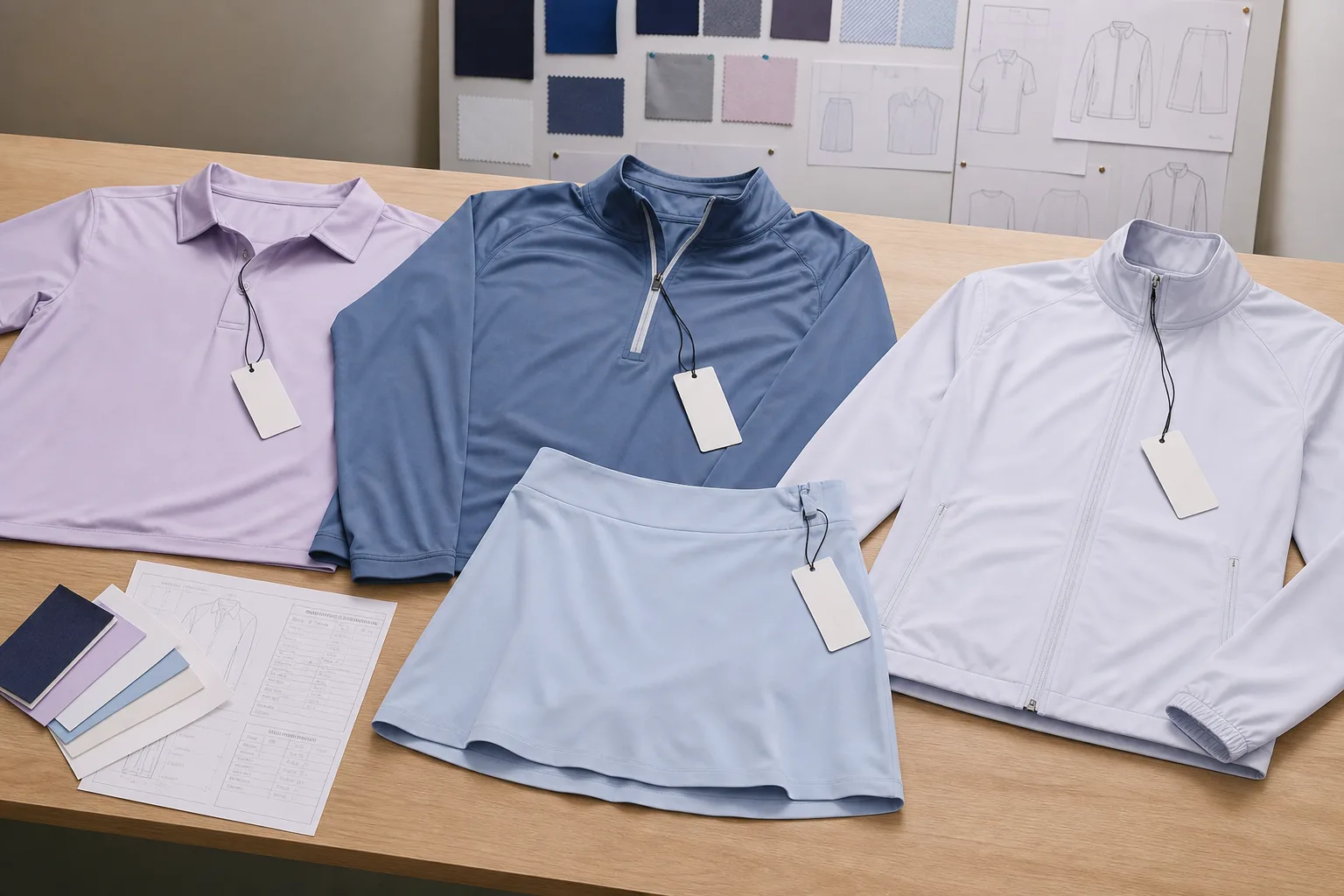
Custom golf apparel prototype samples arranged for fit review
prototype samplingconfirm prototype sampling support for custom golf apparel, including sample types, approval points, revision factors, and.

Product Programs

Clear inputs reduce revision cycles.

Development Support

The sample path is collaborative rather than automatic.

Quality Checks

A useful sample confirm goes beyond a quick visual check.

Planning Timing

Not every revision means something went wrong.

What Buyers Should Submit

What to Prepare Before Sampling Starts

Clear inputs reduce revision cycles. If some information is still open, that can be discussed first, but incomplete files usually extend development time.

  • Style information: Tech pack, sketch, measurement chart, or marked-up reference garment.
  • Fabric direction: Preferred composition, weight, stretch level, surface feel, and color target.
  • Branding details: Approved artwork, placement notes, logo technique preference, and size limits.
  • Trim requirements: Buttons, zippers, labels, hangtags, elastic, drawcords, or packaging requests.
  • Program context: Planned quantity range, size range, target market, and expected launch timing.

If the file set is still developing, related support may begin with golf apparel product development, tech pack support, or pattern making before final sample approval.

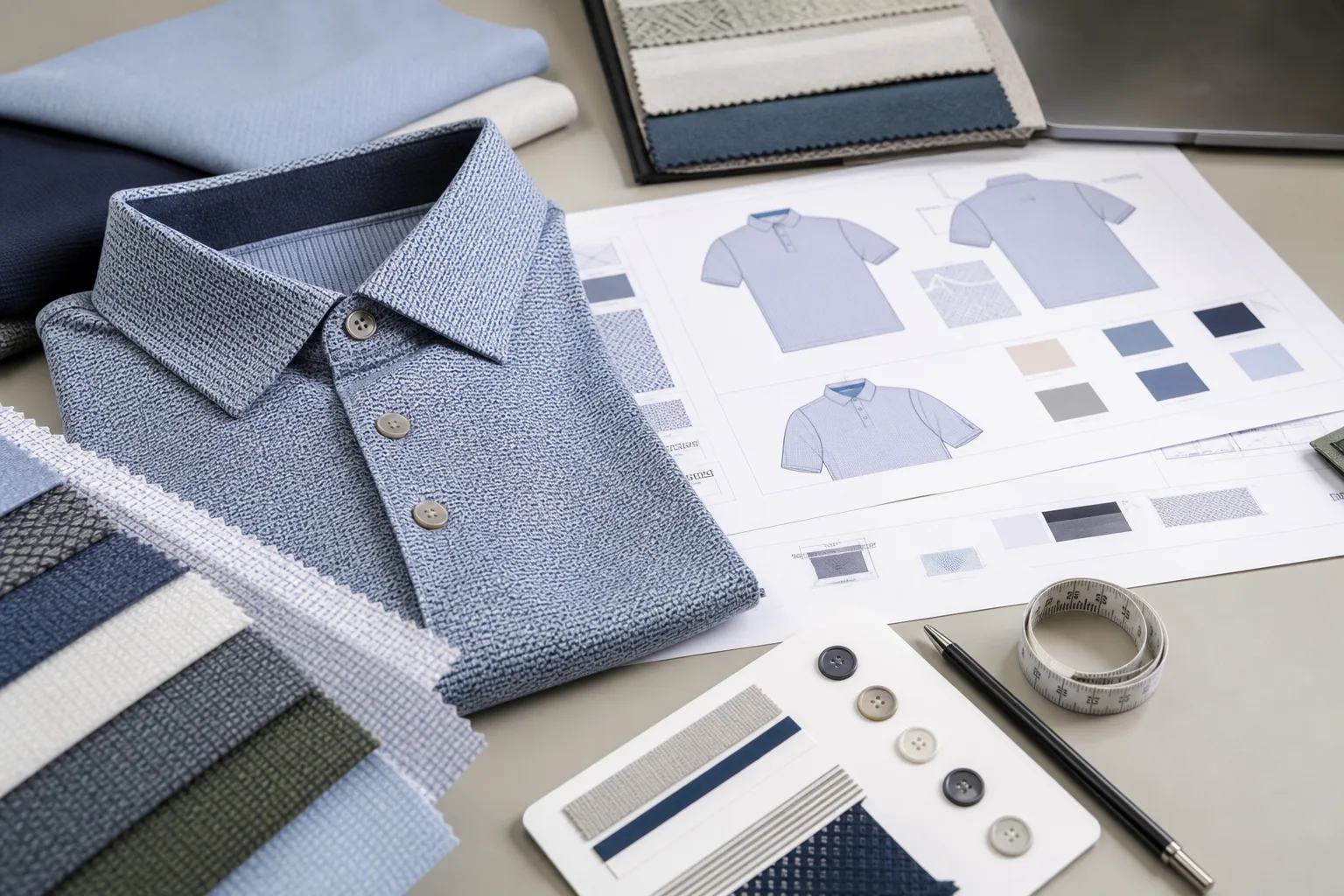
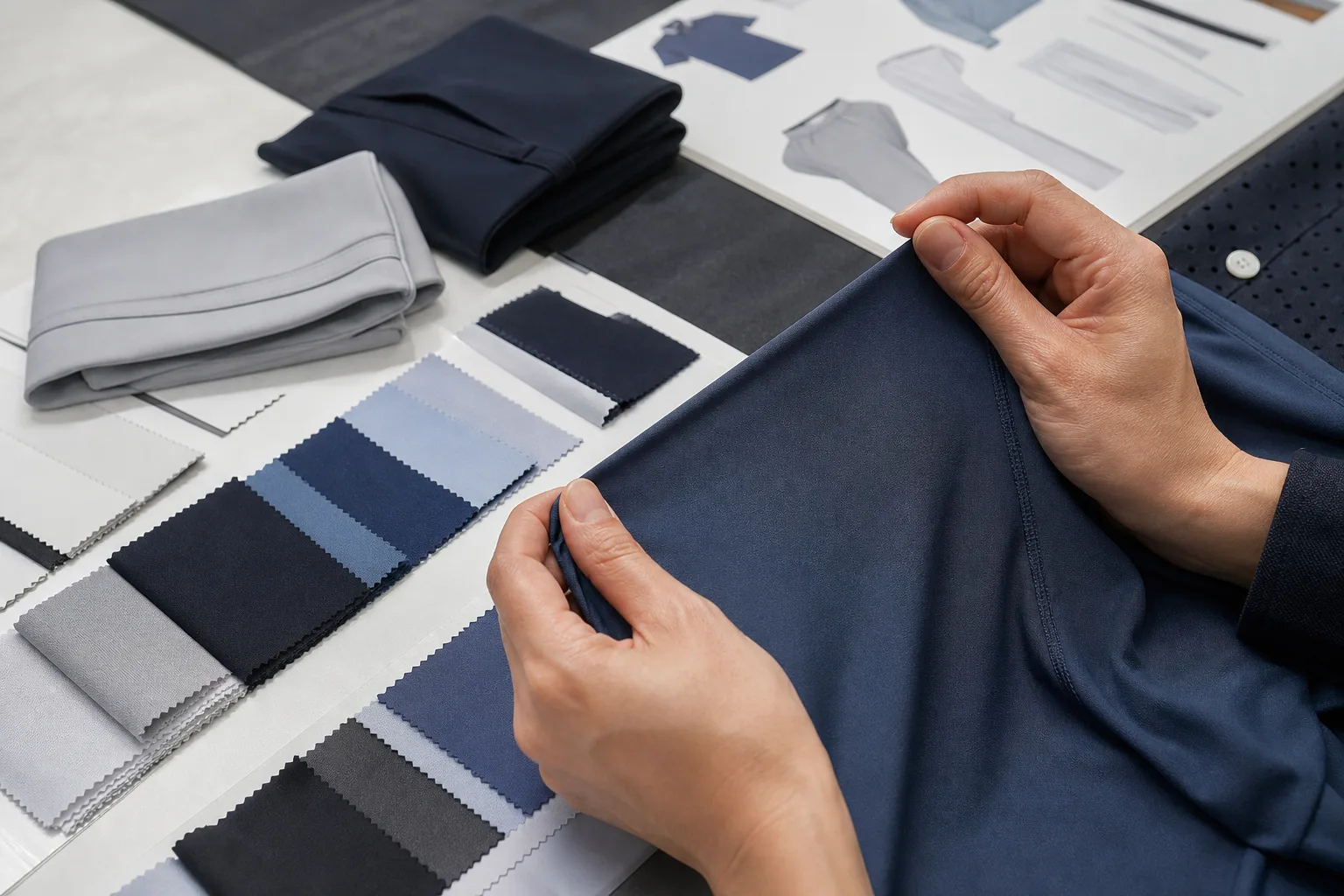
Fabric and fit review for golf clothing manufacturing buyers
Private label branding preparation for golf clothing manufacturing buyers
How the Sampling Process Works

How the Sampling Process Usually Moves

The sample path is collaborative rather than automatic. Shenzhen-based development and sampling coordination support communication, material confirmation, and revision tracking, while actual timing depends on design complexity, fabric availability, decoration method, and approval speed.

  1. Requirement review: Confirm style intent, construction level, branding plan, and likely development risks.
  2. Material and trim check: Review fabric availability, color options, accessory substitutions, and technical limits.
  3. Pattern and sample making: Prepare the sample according to approved inputs and current decisions.
  4. Buyer review: Evaluate fit, appearance, workmanship, and requested corrections.
  5. Revision round: Update measurements, details, artwork position, or trim choices when needed.
  6. Pre-production alignment: Lock the approved sample and carry it into the next manufacturing stage.

As a planning reference, standard sample development is often around 5 to 7 days, while more complex styles may take around 7 to 10 days. These are not guarantees and should be checked case by case.

What Gets Reviewed

Key Approval Points for Golf Apparel Samples

A useful sample review goes beyond a quick visual check. Golf garments should be assessed in motion, in layering conditions where relevant, and against the intended buyer standard.

Review Area What Buyers Should Check
Fit and movement Shoulder mobility, torso ease, sleeve reach, rise and inseam balance, and comfort through swing-related movement.
Construction Collar roll, placket alignment, zipper position, pocket balance, seam smoothness, and hem finishing.
Material performance Hand feel, weight, stretch response, drape, layering behavior, and color consistency for the selected fabric direction.
Branding execution Logo size, clarity, placement, distortion risk, and compatibility with the garment panel or stretch zone.
Commercial readiness Whether the sample matches target market expectations, intended packaging level, and likely bulk feasibility.
Golf apparel sampling workspace with spec sheets and fabric swatches
Common Revision Factors

What Commonly Triggers Sample Revisions

Not every revision means something went wrong. Some are normal parts of product development, especially for new collections, private label launches, and first-time fabric combinations.

  • Fit changes: Chest, waist, hem, sleeve, or length adjustments after wear testing.
  • Fabric changes: Original fabric unavailable, cost needs rebalancing, or hand feel does not match target.
  • Decoration updates: Artwork scale, embroidery density, print position, or logo technique needs refinement.
  • Trim corrections: Button tone, zipper pull, label content, or packaging detail remains unconfirmed.
  • Construction changes: Stitch type, reinforcement, vent shape, pocket depth, or panel line needs adjustment.

When timeline sensitivity is high, buyers should identify which points are critical to approve first and which can be standardized for future repeat orders.

From Sample to Bulk

How Sample Approval Connects to Bulk Production

Sample approval should establish a workable reference for bulk production rather than a loosely discussed concept. Once fit, materials, decoration, and trims are confirmed, the approved sample helps reduce variation during cutting, sewing, finishing, and packing.

Buyers with active launch calendars should also review the wider sample-to-bulk process and expected sampling and production lead times before confirming target delivery windows. Bulk production is commonly planned around 20 to 35 days, but actual scheduling depends on order structure and approval status.

Fabric and fit review for golf clothing manufacturing buyers
Private label branding preparation for golf clothing manufacturing buyers
Quote Inputs

What Helps Us Quote a Sampling Program More Accurately

For this stage, the most useful quotation inputs are the ones that define sample difficulty rather than only bulk volume.

  • Garment type and number of styles
  • Adult, women’s, or junior size direction
  • Target fabric or required sourcing support
  • Decoration method and artwork count
  • Trim complexity and private label requirements
  • Expected number of revision rounds
  • Planned bulk quantity range after approval

If you are still comparing material options before making the first sample, request fabric swatches first so the development path is based on a clearer fabric brief.

Common Questions

Answers buyers usually need before starting

Keep the project conversation practical with clear expectations around sampling, production and quotation inputs.

What is the difference between a prototype sample and a pre-production sample?

A prototype sample is mainly used to confirm style direction, core construction, and early fit decisions. A pre-production sample is usually prepared after materials, artwork, trims, and measurements are more fully confirmed so it can serve as a closer reference for bulk production.

How long does prototype sampling usually take for custom golf apparel?

As a planning reference, standard sample development is often around 5 to 7 days, while more complex styles may take around 7 to 10 days. Actual timing depends on fabric availability, decoration complexity, revision rounds, and how complete the buyer's files are.

What information helps reduce sample revisions?

The most helpful inputs are a clear tech pack, measurement chart, approved artwork, fabric direction, trim list, and notes about fit expectations or target market. A buyer-supplied reference garment can also help explain construction preferences when used as a development reference.

Can you support sampling if our golf brand is still developing the tech pack?

Yes. If the style is not fully documented yet, support can begin with product development, tech pack support, or pattern making before final sample approval. The more complete the file set becomes, the easier it is to control revisions and timing.

What can cause a golf apparel sample to take longer than expected?

Common factors include custom fabric sourcing, multiple colorways, embroidery or print adjustments, pending artwork approval, fit corrections after wear review, trim substitutions, and added packaging requirements.

Does sample approval guarantee that bulk production will be identical?

Sample approval improves production control, but it is not a blanket guarantee. Bulk consistency still depends on approved materials, production setup, quality control, and any later changes made after the sample stage.
Start a Project

Build your next golf clothing program with a clearer production path.

Share product type, quantity, fabric direction, branding requirements and target timing so Ninghow Golf can suggest the most practical next step.

Scroll to Top