OEM / ODM Service Page

Golf Apparel Pattern Making

Pattern making is where golf apparel ideas become buildable garments. Ninghow Golf supports brands, clubs, teams, and private label buyers with pattern development for performance polos, layers, outerwear, bottoms, dresses, and coordinated uniform programs. If you have sketches, a tech pack, a buyer-supplied sample, or only an early product direction, our team can help convert requirements into production-ready patterns, size grading, and sample instructions for the next approval stage.

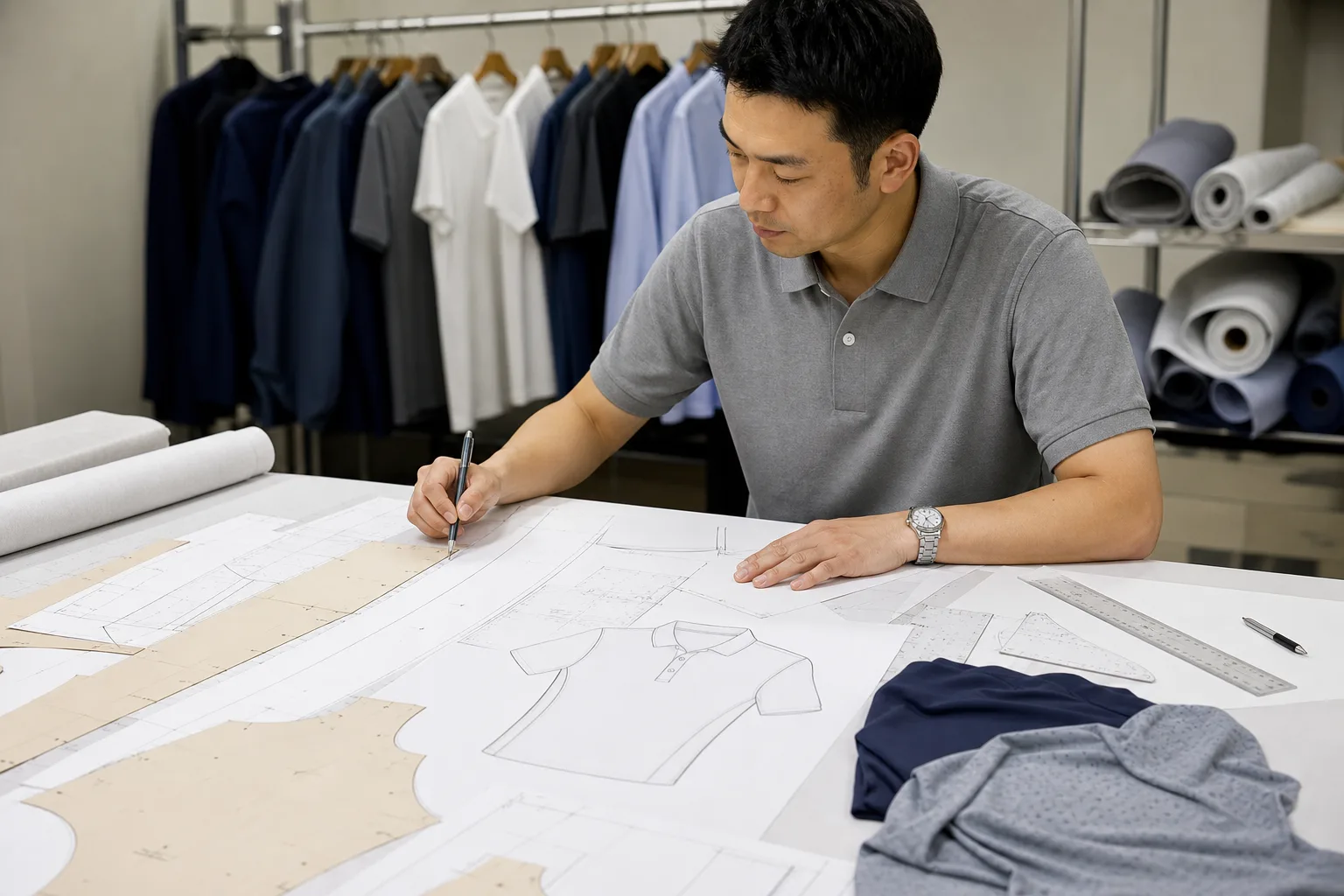
Pattern maker reviewing golf apparel pattern pieces and measurement notes
golf apparel patternDevelop golf apparel patterns for polos, outerwear, bottoms, and uniforms with fit, grading, and construction support for.

Product Programs

Golf garments need more than a visual silhouette.

Development Support

Projects do not all begin at the same level of readiness.

Quality Checks

Golf apparel pattern work is often different from general casualwear because the garment must perform during repeated.

Planning Timing

Pattern development is most effective when approvals happen in sequence instead of mixing fit, artwork, and packaging.

What Pattern Making Covers

What Good Pattern Making Adds to a Golf Apparel Program

Golf garments need more than a visual silhouette. The pattern must support movement through the shoulders, chest, waist, hips, and knees while still matching your intended fit. For branded golf apparel, that usually means balancing course appearance, swing range, fabric behavior, and repeatable sizing.

Pattern making support may include base pattern development, block adjustment, panel planning, seam placement, collar and placket construction, pocket positioning, ventilation details, lining compatibility, and size grading. The goal is to reduce interpretation gaps before prototype and sampling begins.

Fabric and fit review for golf clothing manufacturing buyers
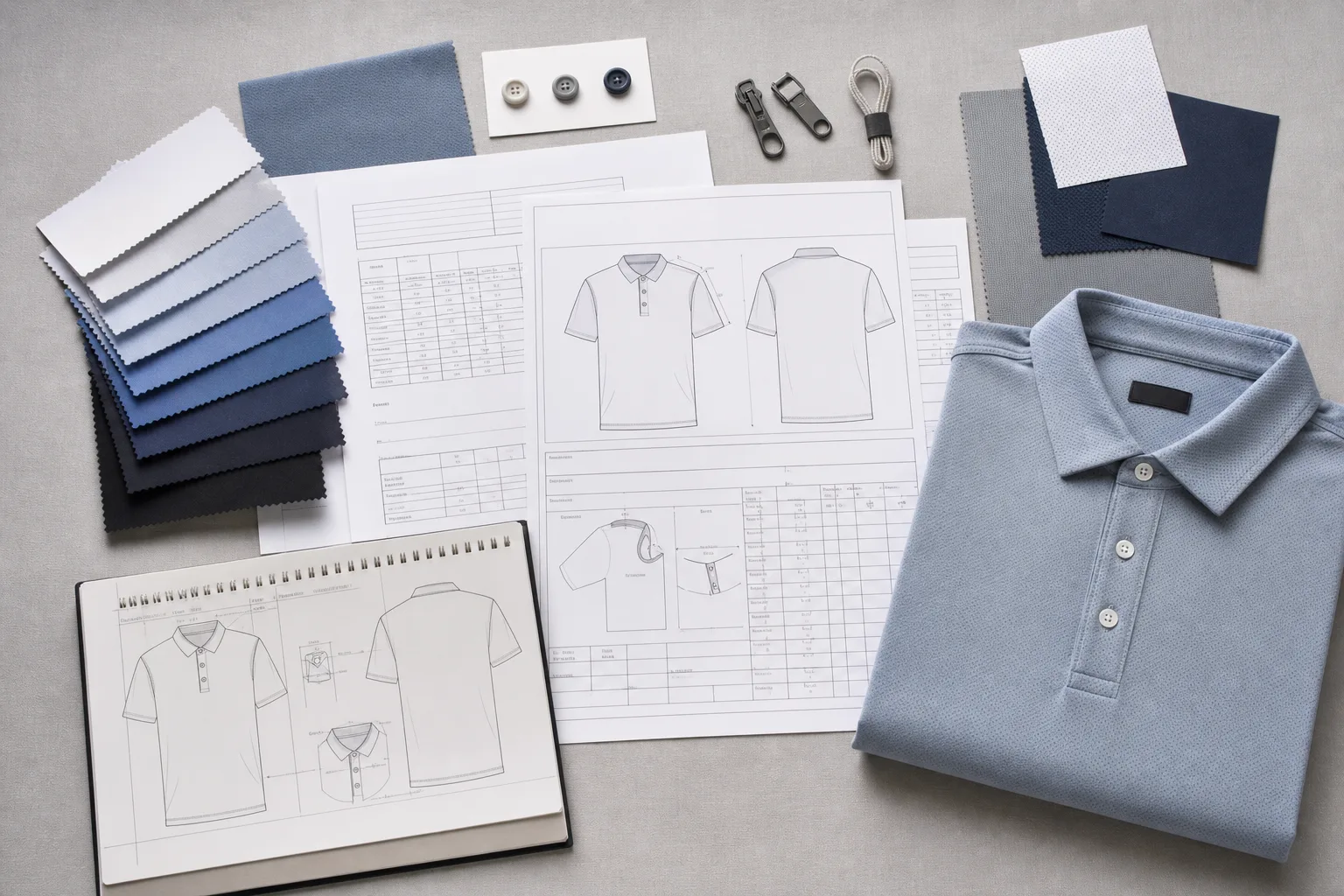
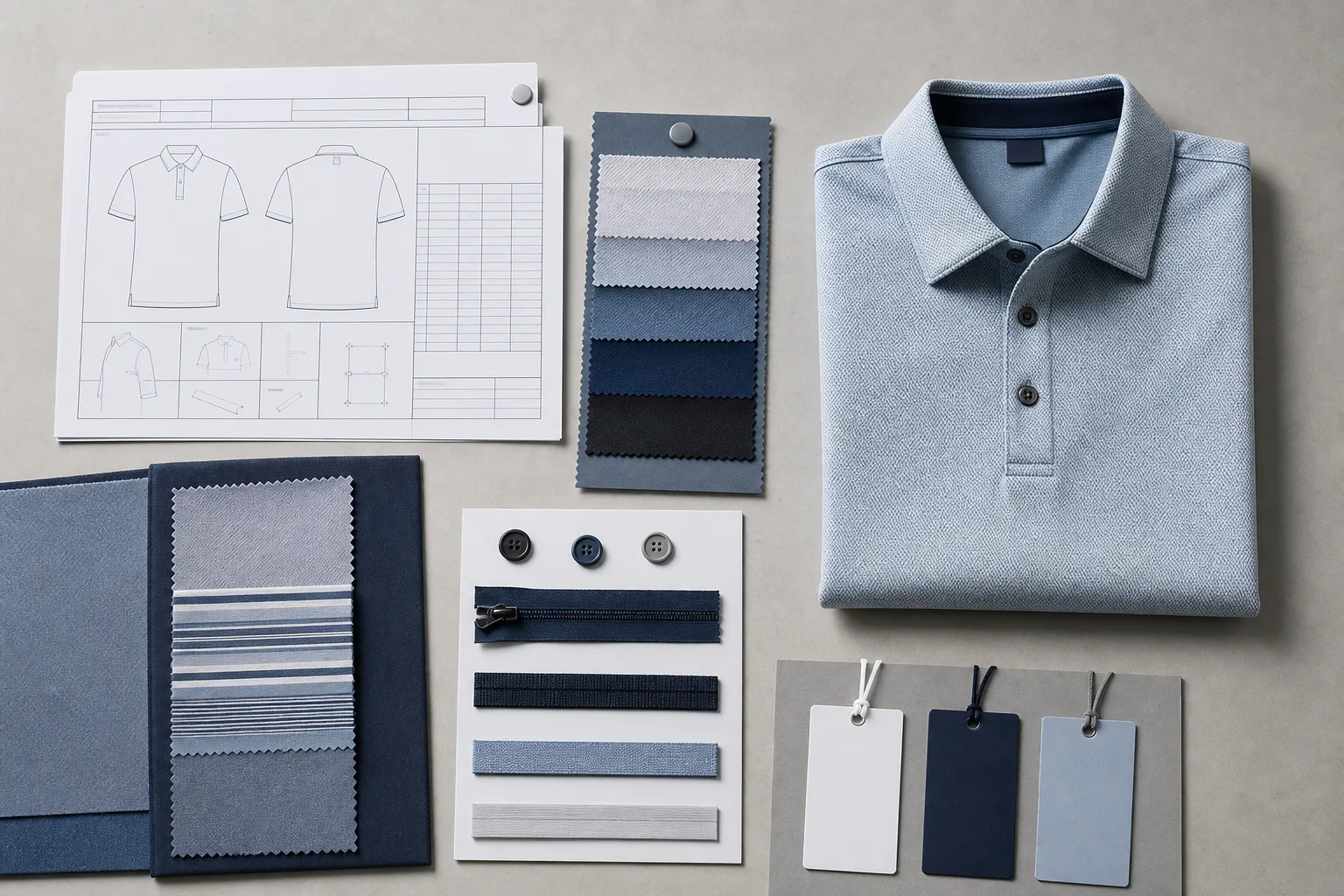
Golf apparel tech pack, fabric swatches, and reference garment flat lay
Inputs Buyers Can Provide

Starting Points We Can Work From

Projects do not all begin at the same level of readiness. Some buyers send a complete tech pack, while others provide a reference garment and a list of required changes. Pattern development can be built from several practical input combinations.

  • Complete tech pack: measurements, construction notes, artwork positions, fabric direction, and size range.
  • Sketch plus measurement chart: useful for new collections that are still being finalized.
  • Buyer-supplied sample: a physical reference garment used to confirm fit logic and construction details.
  • Inspiration images and product brief: suitable for ODM-style development when fit intent and end use are clearly defined.

If your documents are still incomplete, tech pack support can help organize specifications before sample development.

Page-Specific Pattern Decisions

Pattern Decisions That Matter in Golf Apparel

Golf apparel pattern work is often different from general casualwear because the garment must perform during repeated rotation and extension. Each category needs its own pattern priorities.

Polos and knit tops

Key decisions include collar stand balance, placket depth, sleeve angle, hem shape, chest ease, and how the body drapes in motion. These details affect both appearance and logo presentation on finished garments such as custom golf polo shirts.

Layering pieces and outerwear

Quarter-zips, jackets, vests, and windbreakers need attention to arm mobility, zipper lay, collar shape, layering allowance, and pocket placement. Extra bulk from lining, interlining, or weather-focused fabrics must be built into the pattern instead of corrected later in sewing.

Bottoms, skorts, and dresses

Golf pants, shorts, skorts, and dresses require accurate waist shaping, rise balance, hip ease, inseam behavior, and movement coverage. Skorts also need coordination between the outer skirt and inner short so the garment stays balanced during play.
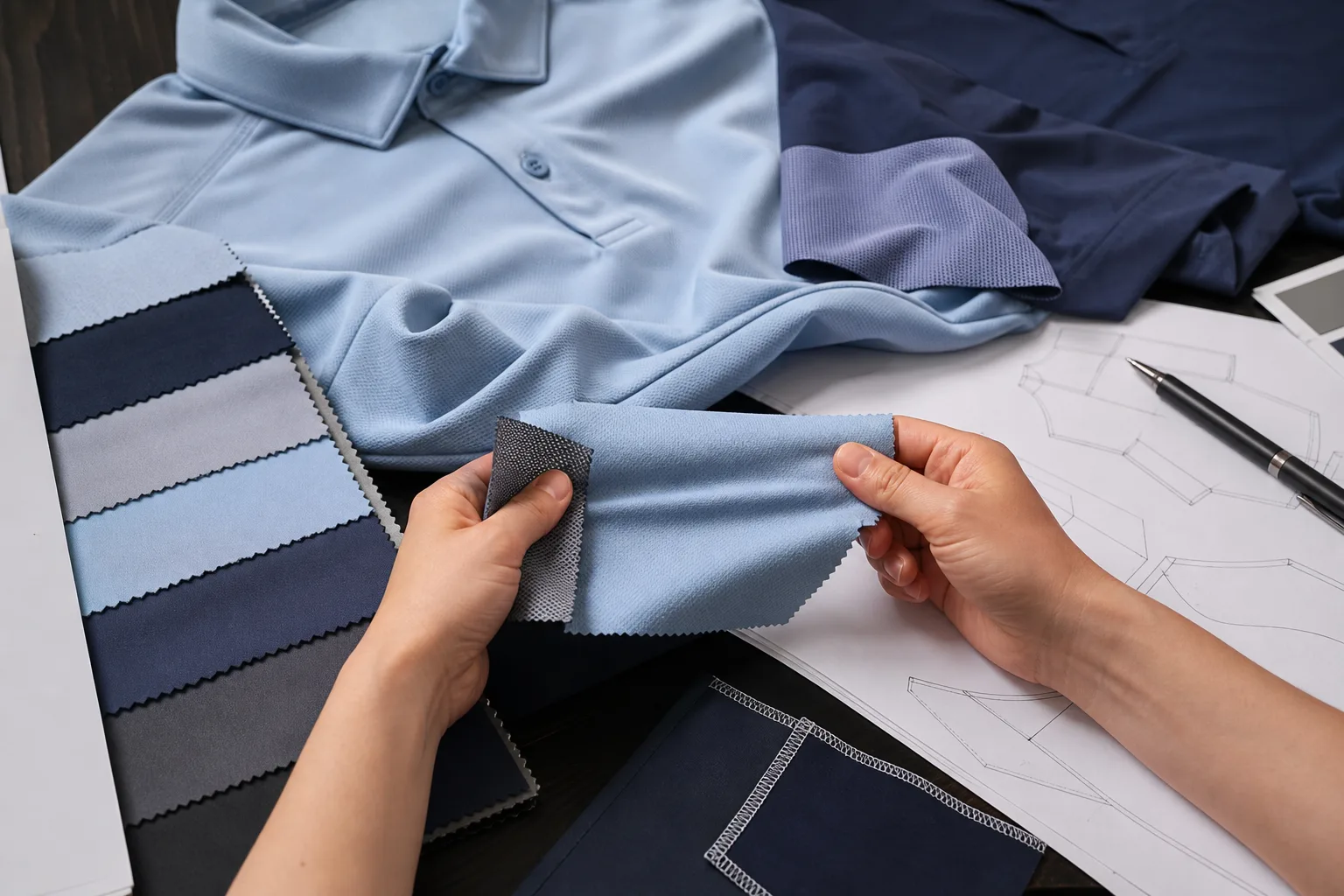
Golf apparel tech pack, fabric swatches, and reference garment flat lay
How The Service Works

How Pattern Making Moves Into Sampling

Pattern development is most effective when approvals happen in sequence instead of mixing fit, artwork, and packaging decisions at the same time. A structured flow helps keep revisions clear.

  1. Requirement review: confirm garment type, fit target, fabric direction, and size range.
  2. Pattern development: create or adapt the base pattern using the approved input set.
  3. Grading setup: apply size progression for the selected size range.
  4. Sample cutting and sewing: test the pattern in the intended or closest workable material.
  5. Fit review: assess measurements, drape, movement, and construction alignment.
  6. Pattern revision: update the pattern after buyer comments before pre-production approval.

Sample timing is a planning reference rather than a guarantee. Standard development may be around 5 to 7 days, while more complex styles may take around 7 to 10 days depending on fabric availability, garment complexity, and revision rounds.

Common Risks

Common Pattern Risks and How to Reduce Them

Many sample delays come from missing technical decisions rather than from sewing itself. Identifying risk early usually saves time and revision cost.

  • Unclear fit direction: athletic, regular, relaxed, men’s, women’s, and junior fits should not share one measurement logic.
  • Fabric substitution during development: stretch, weight, and recovery can change body balance and finished measurements.
  • Decoration added too late: embroidery, print panels, and heat-transfer areas may require pattern adjustments.
  • Incomplete grading rules: larger or smaller sizes can distort if grading is copied from an unrelated style block.
  • Reference sample mismatch: a nice-looking reference garment may still be unsuitable for your required construction or price level.

For projects that also involve sourcing decisions, it helps to review performance fabric sourcing before locking the final pattern.

Golf apparel tech pack, fabric swatches, and reference garment flat lay
What Buyers Approve

What to Confirm Before Approving the Pattern

Approving a pattern means confirming more than the main body measurements. It should also reflect the intended use, fit message, and production method.

  • Base size measurements and tolerance direction
  • Fit profile across the target size range
  • Panel shapes, seam positions, and key construction details
  • Trim compatibility such as zippers, plackets, waistbands, and elastic applications
  • Logo or decoration areas that depend on panel size and garment balance
  • Any special movement or coverage requirement for golf use

Once these points are stable, the project can move more smoothly toward pre-production approval and bulk planning.

Quote Inputs

Information That Helps Us Quote Pattern Development

Pattern-making cost and schedule depend on the garment category and the amount of development work required. A concise brief is usually enough to start review.

  • Product type, such as polo, quarter-zip, skort, pants, or jacket
  • Target market and fit direction, including men’s, women’s, or junior sizing
  • Your available inputs: tech pack, sketches, reference garment, or images
  • Planned fabric type and whether stretch, lining, or special finishes are involved
  • Expected size range, colorways, and decoration method
  • Whether you need pattern only, sample support, or full OEM / ODM development

If you are building a branded line from the beginning, start a private label project with your initial collection brief.

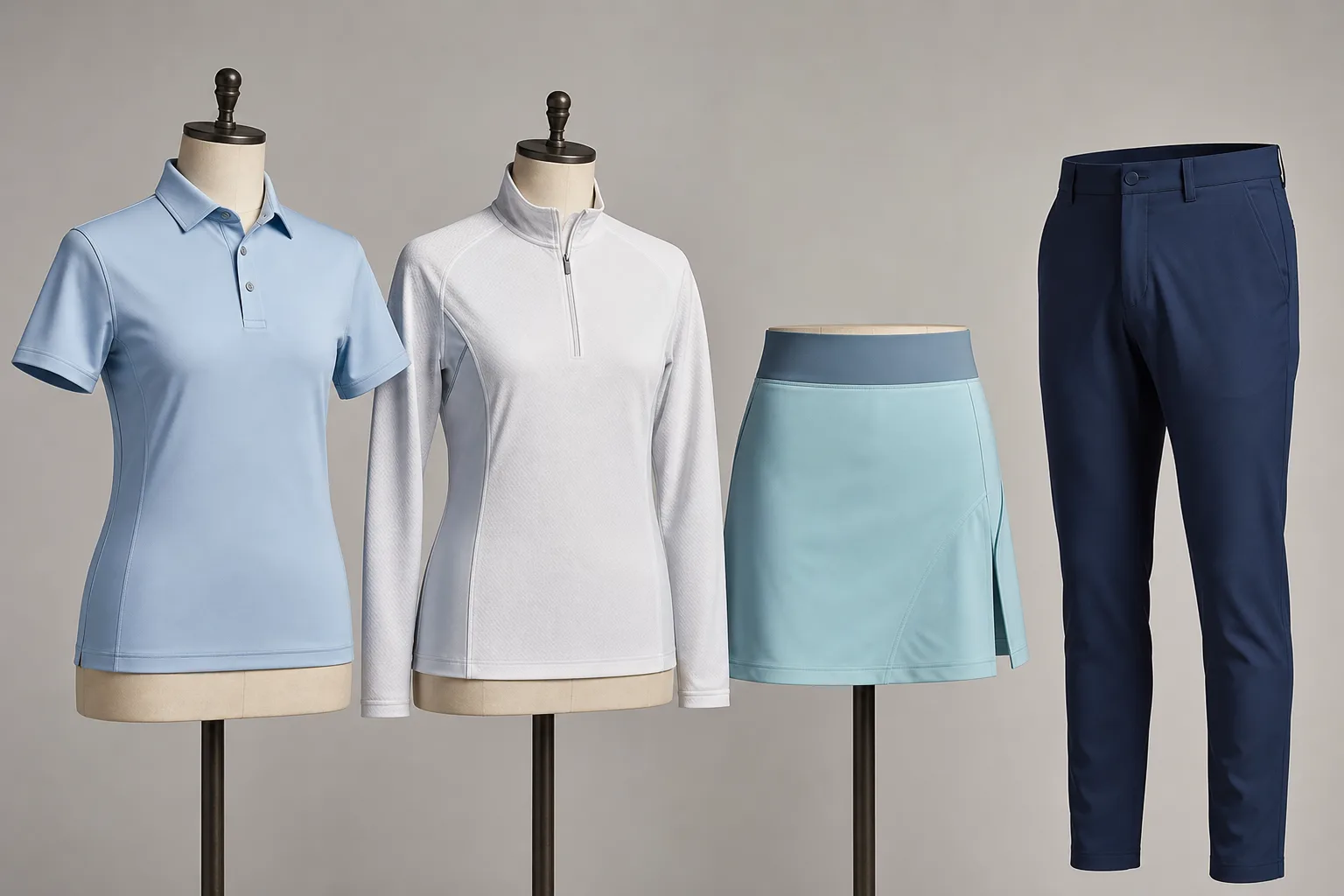
Golf polo, quarter-zip, skort, and pants showing pattern construction areas
Common Questions

Answers buyers usually need before starting

Keep the project conversation practical with clear expectations around sampling, production and quotation inputs.

Can you create golf apparel patterns if I only have sketches and target measurements?

Yes. If your sketch, fit direction, and key measurements are clear enough, pattern development can start from that information. Projects move faster when you also provide fabric direction, construction notes, or a reference garment.

Do pattern changes usually happen after the first sample?

In many projects, yes. The first sample often confirms fit balance, movement, and construction details that are difficult to judge from drawings alone. Revision rounds may depend on style complexity, fabric behavior, and how precise the original brief is.

What affects grading for men’s, women’s, or junior golf apparel?

Grading depends on the intended wearer, silhouette, size range, and garment function. A men’s polo, women’s skort, and junior quarter-zip usually need different grading logic rather than one shared size progression.

Can decoration placement affect the pattern?

Yes. Embroidery, print panels, heat transfers, zipper plackets, and contrast inserts can all affect panel size, seam locations, and usable logo areas. It is better to review decoration plans before the sample is finalized.

What information should I send for a pattern-making quotation?

Send the garment type, intended fit, available drawings or tech pack, expected size range, fabric direction, and whether you need pattern only or pattern plus sampling. If you have a buyer-supplied sample, mention that as well.

Start a Project

Build your next golf clothing program with a clearer production path.

Share product type, quantity, fabric direction, branding requirements and target timing so Ninghow Golf can suggest the most practical next step.

Scroll to Top